mirror of
https://github.com/meshtastic/firmware.git
synced 2025-12-29 06:00:33 +00:00
Compare commits
63 Commits
v2.5.23.bf
...
NextHopRou
| Author | SHA1 | Date | |
|---|---|---|---|

|
5757b88c48 | ||
|
|
cea072288a | ||

|
b91b66bc7a | ||

|
dc4279e7fd | ||

|
766bd614a4 | ||
|
|
a3d9582b35 | ||
|
|
d5a8587deb | ||
|
|
5154e29b07 | ||
|
|
919660e005 | ||
|
|
c7d04d7064 | ||
|
|
4915a07c2a | ||
|
|
98b4a29ef9 | ||
|
|
41d0a39ba6 | ||
|
|
0952c861ae | ||
|
|
017bff8be7 | ||
|
|
e593d54743 | ||
|
|
6a29793f23 | ||
|
|
47116f65cd | ||
|
|
98719e4c62 | ||
|
|
bfc6a1940d | ||
|
|
360637c25d | ||
|
|
3ea2918f7f | ||
|
|
b229abc2b4 | ||
|
|
dbe520c3ab | ||
|
|
42d17b3322 | ||
|
|
3725319b4b | ||
|
|
17495e7dbf | ||
|
|
93bcee3aab | ||
|
|
71a90b3b78 | ||
|
|
be73b099a7 | ||
|
|
f37abe8f0f | ||
|
|
78bf1e192b | ||
|
|
70aa28c53c | ||
|
|
fbefce7e10 | ||
|
|
69f88b9fdc | ||
|
|
24ff7c0bfb | ||
|
|
bb64b1480b | ||
|
|
790801f8e7 | ||
|
|
28944adf20 | ||
|
|
aab973e81b | ||
|
|
e4c98185d2 | ||
|
|
01344835af | ||
|
|
9de8d5ae66 | ||
|
|
ba4220fe50 | ||
|
|
aae4443e25 | ||
|
|
6fe42ed4c5 | ||
|
|
2e303a33be | ||
|
|
913268b132 | ||

|
e91dcb4ec3 | ||
|
|
b8e01b4044 | ||
|
|
d4ef0cdba5 | ||
|
|
b456e34c6e | ||
|
|
25ec0514da | ||
|
|
3ba9ecbbfe | ||
|
|
ef2c6eed05 | ||
|
|
81f57b65e1 | ||
|
|
42757d847f | ||
|
|
c7293cf6f1 | ||
|
|
27a492adf8 | ||
|
|
9b1dd75549 | ||
|
|
44dc270c8a | ||
|
|
3776064b80 | ||
|
|
0d6729b9eb |
BIN
.github/meshtastic_logo.png
vendored
BIN
.github/meshtastic_logo.png
vendored

Binary file not shown.
|
Before Width: | Height: | Size: 89 KiB |
6
.github/workflows/main_matrix.yml
vendored
6
.github/workflows/main_matrix.yml
vendored
@@ -352,12 +352,6 @@ jobs:
|
||||
run: >-
|
||||
bin/bump_version.py
|
||||
|
||||
- name: Ensure debian deps are installed
|
||||
shell: bash
|
||||
run: |
|
||||
sudo apt-get update -y --fix-missing
|
||||
sudo apt-get install -y devscripts
|
||||
|
||||
- name: Update debian changelog
|
||||
run: >-
|
||||
debian/ci_changelog.sh
|
||||
|
||||
22
.github/workflows/nightly.yml
vendored
22
.github/workflows/nightly.yml
vendored
@@ -4,11 +4,9 @@ on:
|
||||
- cron: 0 8 * * 1-5
|
||||
workflow_dispatch: {}
|
||||
|
||||
permissions: read-all
|
||||
|
||||
jobs:
|
||||
trunk_check:
|
||||
name: Trunk Check and Upload
|
||||
name: Trunk Check Upload
|
||||
runs-on: ubuntu-latest
|
||||
|
||||
steps:
|
||||
@@ -16,22 +14,6 @@ jobs:
|
||||
uses: actions/checkout@v4
|
||||
|
||||
- name: Trunk Check
|
||||
uses: trunk-io/trunk-action@v1
|
||||
uses: trunk-io/trunk-action@782e83f803ca6e369f035d64c6ba2768174ba61b
|
||||
with:
|
||||
trunk-token: ${{ secrets.TRUNK_TOKEN }}
|
||||
|
||||
trunk_upgrade:
|
||||
# See: https://github.com/trunk-io/trunk-action/blob/v1/readme.md#automatic-upgrades
|
||||
name: Trunk Upgrade (PR)
|
||||
runs-on: ubuntu-latest
|
||||
permissions:
|
||||
contents: write # For trunk to create PRs
|
||||
pull-requests: write # For trunk to create PRs
|
||||
steps:
|
||||
- name: Checkout
|
||||
uses: actions/checkout@v4
|
||||
|
||||
- name: Trunk Upgrade
|
||||
uses: trunk-io/trunk-action/upgrade@v1
|
||||
with:
|
||||
base: master
|
||||
|
||||
2
.github/workflows/stale_bot.yml
vendored
2
.github/workflows/stale_bot.yml
vendored
@@ -16,7 +16,7 @@ jobs:
|
||||
|
||||
steps:
|
||||
- name: Stale PR+Issues
|
||||
uses: actions/stale@v9.1.0
|
||||
uses: actions/stale@v9.0.0
|
||||
with:
|
||||
exempt-issue-labels: pinned,3.0
|
||||
exempt-pr-labels: pinned,3.0
|
||||
|
||||
@@ -20,5 +20,3 @@ jobs:
|
||||
|
||||
- name: Trunk Check
|
||||
uses: trunk-io/trunk-action@v1
|
||||
with:
|
||||
save-annotations: true
|
||||
26
.github/workflows/trunk_annotate_pr.yml
vendored
26
.github/workflows/trunk_annotate_pr.yml
vendored
@@ -1,26 +0,0 @@
|
||||
name: Annotate PR with trunk issues
|
||||
# See: https://github.com/trunk-io/trunk-action/blob/v1/readme.md#getting-inline-annotations-for-fork-prs
|
||||
|
||||
on:
|
||||
workflow_run:
|
||||
workflows: [Pull Request] # Name from `trunk_check.yml`
|
||||
types: [completed]
|
||||
|
||||
permissions: read-all
|
||||
|
||||
jobs:
|
||||
trunk_check:
|
||||
name: Trunk Code Quality Annotate
|
||||
runs-on: ubuntu-latest
|
||||
permissions:
|
||||
checks: write # For trunk to post annotations
|
||||
contents: read # For repo checkout
|
||||
|
||||
steps:
|
||||
- name: Checkout
|
||||
uses: actions/checkout@v4
|
||||
|
||||
- name: Trunk Check
|
||||
uses: trunk-io/trunk-action@v1
|
||||
with:
|
||||
post-annotations: true
|
||||
@@ -1,35 +1,37 @@
|
||||
version: 0.1
|
||||
cli:
|
||||
version: 1.22.10
|
||||
version: 1.22.8
|
||||
plugins:
|
||||
sources:
|
||||
- id: trunk
|
||||
ref: v1.6.7
|
||||
ref: v1.6.6
|
||||
uri: https://github.com/trunk-io/plugins
|
||||
lint:
|
||||
enabled:
|
||||
- prettier@3.5.1
|
||||
- trufflehog@3.88.12
|
||||
- prettier@3.4.2
|
||||
- trufflehog@3.86.1
|
||||
- yamllint@1.35.1
|
||||
- bandit@1.8.3
|
||||
- checkov@3.2.372
|
||||
- bandit@1.8.0
|
||||
- checkov@3.2.334
|
||||
- terrascan@1.19.9
|
||||
- trivy@0.59.1
|
||||
- trivy@0.58.0
|
||||
#- trufflehog@3.63.2-rc0
|
||||
- taplo@0.9.3
|
||||
- ruff@0.9.7
|
||||
- isort@6.0.0
|
||||
- markdownlint@0.44.0
|
||||
- oxipng@9.1.4
|
||||
- ruff@0.8.3
|
||||
- isort@5.13.2
|
||||
- markdownlint@0.43.0
|
||||
- oxipng@9.1.3
|
||||
- svgo@3.3.2
|
||||
- actionlint@1.7.7
|
||||
- flake8@7.1.2
|
||||
- actionlint@1.7.4
|
||||
- flake8@7.1.1
|
||||
- hadolint@2.12.1-beta
|
||||
- shfmt@3.6.0
|
||||
- shellcheck@0.10.0
|
||||
- black@25.1.0
|
||||
- black@24.10.0
|
||||
- git-diff-check
|
||||
- gitleaks@8.24.0
|
||||
- gitleaks@8.21.2
|
||||
- clang-format@16.0.3
|
||||
#- prettier@3.3.3
|
||||
ignore:
|
||||
- linters: [ALL]
|
||||
paths:
|
||||
|
||||
31
README.md
31
README.md
@@ -1,7 +1,4 @@
|
||||
<div align="center" markdown="1">
|
||||
|
||||
<img src=".github/meshtastic_logo.png" alt="Meshtastic Logo" width="80"/>
|
||||
<h1>Meshtastic Firmware</h1>
|
||||
# Meshtastic Firmware
|
||||
|
||||

|
||||
[](https://github.com/meshtastic/firmware/actions/workflows/ci.yml)
|
||||
@@ -9,31 +6,13 @@
|
||||
[](https://opencollective.com/meshtastic/)
|
||||
[](https://vercel.com?utm_source=meshtastic&utm_campaign=oss)
|
||||
|
||||
<a href="https://trendshift.io/repositories/5524" target="_blank"><img src="https://trendshift.io/api/badge/repositories/5524" alt="meshtastic%2Ffirmware | Trendshift" style="width: 250px; height: 55px;" width="250" height="55"/></a>
|
||||
|
||||
</div>
|
||||
|
||||
</div>
|
||||
|
||||
<div align="center">
|
||||
<a href="https://meshtastic.org">Website</a>
|
||||
-
|
||||
<a href="https://meshtastic.org/docs/">Documentation</a>
|
||||
</div>
|
||||
|
||||
## Overview
|
||||
|
||||
This repository contains the official device firmware for Meshtastic, an open-source LoRa mesh networking project designed for long-range, low-power communication without relying on internet or cellular infrastructure. The firmware supports various hardware platforms, including ESP32, nRF52, RP2040/RP2350, and Linux-based devices.
|
||||
This repository contains the device firmware for the Meshtastic project.
|
||||
|
||||
Meshtastic enables text messaging, location sharing, and telemetry over a decentralized mesh network, making it ideal for outdoor adventures, emergency preparedness, and remote operations.
|
||||
|
||||
### Get Started
|
||||
|
||||
- 🔧 **[Building Instructions](https://meshtastic.org/docs/development/firmware/build)** – Learn how to compile the firmware from source.
|
||||
- ⚡ **[Flashing Instructions](https://meshtastic.org/docs/getting-started/flashing-firmware/)** – Install or update the firmware on your device.
|
||||
|
||||
Join our community and help improve Meshtastic! 🚀
|
||||
- **[Building Instructions](https://meshtastic.org/docs/development/firmware/build)**
|
||||
- **[Flashing Instructions](https://meshtastic.org/docs/getting-started/flashing-firmware/)**
|
||||
|
||||
## Stats
|
||||
|
||||
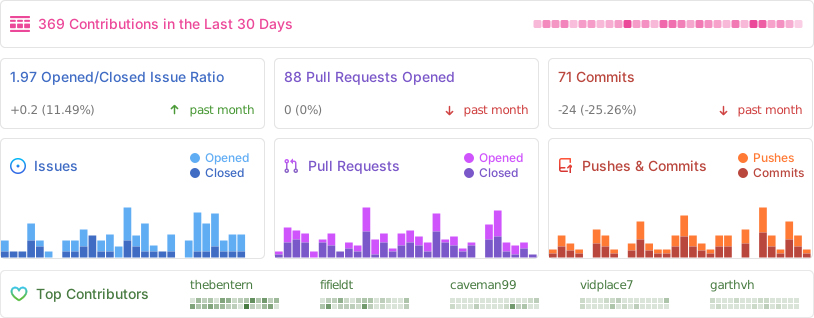
|
||||
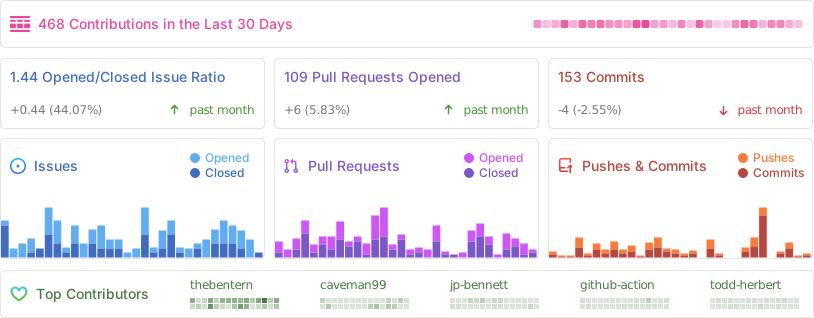
|
||||
|
||||
@@ -2,7 +2,7 @@
|
||||
[esp32_base]
|
||||
extends = arduino_base
|
||||
custom_esp32_kind = esp32
|
||||
platform = platformio/espressif32@6.10.0
|
||||
platform = platformio/espressif32@6.9.0
|
||||
|
||||
build_src_filter =
|
||||
${arduino_base.build_src_filter} -<platform/nrf52/> -<platform/stm32wl> -<platform/rp2xx0> -<mesh/eth/> -<mesh/raspihttp>
|
||||
@@ -45,9 +45,9 @@ lib_deps =
|
||||
${environmental_base.lib_deps}
|
||||
${radiolib_base.lib_deps}
|
||||
https://github.com/meshtastic/esp32_https_server.git#23665b3adc080a311dcbb586ed5941b5f94d6ea2
|
||||
h2zero/NimBLE-Arduino@^1.4.3
|
||||
h2zero/NimBLE-Arduino@^1.4.2
|
||||
https://github.com/dbinfrago/libpax.git#3cdc0371c375676a97967547f4065607d4c53fd1
|
||||
lewisxhe/XPowersLib@^0.2.7
|
||||
lewisxhe/XPowersLib@^0.2.6
|
||||
https://github.com/meshtastic/ESP32_Codec2.git#633326c78ac251c059ab3a8c430fcdf25b41672f
|
||||
rweather/Crypto@^0.4.0
|
||||
|
||||
@@ -65,4 +65,4 @@ lib_ignore =
|
||||
|
||||
; customize the partition table
|
||||
; http://docs.platformio.org/en/latest/platforms/espressif32.html#partition-tables
|
||||
board_build.partitions = partition-table.csv
|
||||
board_build.partitions = partition-table.csv
|
||||
@@ -24,7 +24,7 @@ lib_deps =
|
||||
${networking_base.lib_deps}
|
||||
${environmental_base.lib_deps}
|
||||
${radiolib_base.lib_deps}
|
||||
lewisxhe/XPowersLib@^0.2.7
|
||||
lewisxhe/XPowersLib@^0.2.6
|
||||
https://github.com/meshtastic/ESP32_Codec2.git#633326c78ac251c059ab3a8c430fcdf25b41672f
|
||||
rweather/Crypto@^0.4.0
|
||||
|
||||
@@ -38,4 +38,4 @@ lib_ignore =
|
||||
NonBlockingRTTTL
|
||||
NimBLE-Arduino
|
||||
libpax
|
||||
|
||||
|
||||
@@ -4,8 +4,8 @@ platform = platformio/nordicnrf52@^10.7.0
|
||||
extends = arduino_base
|
||||
platform_packages =
|
||||
; our custom Git version until they merge our PR
|
||||
platformio/framework-arduinoadafruitnrf52 @ https://github.com/meshtastic/Adafruit_nRF52_Arduino.git#e13f5820002a4fb2a5e6754b42ace185277e5adf
|
||||
platformio/toolchain-gccarmnoneeabi@~1.90301.0
|
||||
framework-arduinoadafruitnrf52 @ https://github.com/meshtastic/Adafruit_nRF52_Arduino.git#e13f5820002a4fb2a5e6754b42ace185277e5adf
|
||||
toolchain-gccarmnoneeabi@~1.90301.0
|
||||
|
||||
build_type = debug
|
||||
build_flags =
|
||||
|
||||
@@ -1,8 +1,8 @@
|
||||
; Common settings for rp2040 Processor based targets
|
||||
[rp2350_base]
|
||||
platform = https://github.com/maxgerhardt/platform-raspberrypi.git#76ecf3c7e9dd4503af0331154c4ca1cddc4b03e5 ; For arduino-pico >= 4.4.3
|
||||
platform = https://github.com/maxgerhardt/platform-raspberrypi.git#19e30129fb1428b823be585c787dcb4ac0d9014c ; For arduino-pico >=4.2.1
|
||||
extends = arduino_base
|
||||
platform_packages = framework-arduinopico@https://github.com/earlephilhower/arduino-pico.git#4.4.3
|
||||
platform_packages = framework-arduinopico@https://github.com/earlephilhower/arduino-pico.git#6024e9a7e82a72e38dd90f42029ba3748835eb2e ; 4.3.0 with fix MDNS
|
||||
|
||||
board_build.core = earlephilhower
|
||||
board_build.filesystem_size = 0.5m
|
||||
@@ -10,6 +10,7 @@ build_flags =
|
||||
${arduino_base.build_flags} -Wno-unused-variable -Wcast-align
|
||||
-Isrc/platform/rp2xx0
|
||||
-D__PLAT_RP2350__
|
||||
# -D _POSIX_THREADS
|
||||
build_src_filter =
|
||||
${arduino_base.build_src_filter} -<platform/esp32/> -<nimble/> -<modules/esp32> -<platform/nrf52/> -<platform/stm32wl> -<mesh/eth/> -<mesh/wifi/> -<mesh/http/> -<mesh/raspihttp> -<platform/rp2xx0/pico_sleep> -<platform/rp2xx0/hardware_rosc>
|
||||
|
||||
|
||||
@@ -1,7 +1,7 @@
|
||||
[stm32_base]
|
||||
extends = arduino_base
|
||||
platform = platformio/ststm32
|
||||
platform_packages = platformio/framework-arduinoststm32@^4.20900.0
|
||||
platform = ststm32
|
||||
platform_packages = platformio/framework-arduinoststm32@https://github.com/stm32duino/Arduino_Core_STM32.git#ea74156acd823b6d14739f389e6cdc648f8ee36e
|
||||
|
||||
build_type = release
|
||||
|
||||
|
||||
1
debian/control
vendored
1
debian/control
vendored
@@ -3,7 +3,6 @@ Section: misc
|
||||
Priority: optional
|
||||
Maintainer: Austin Lane <vidplace7@gmail.com>
|
||||
Build-Depends: debhelper-compat (= 13),
|
||||
lsb-release,
|
||||
tar,
|
||||
gzip,
|
||||
platformio,
|
||||
|
||||
9
debian/rules
vendored
9
debian/rules
vendored
@@ -11,15 +11,6 @@ PIO_ENV:=\
|
||||
PLATFORMIO_LIBDEPS_DIR=pio/libdeps \
|
||||
PLATFORMIO_PACKAGES_DIR=pio/packages
|
||||
|
||||
# Raspbian armhf builds should be compatible with armv6-hardfloat
|
||||
# https://www.valvers.com/open-software/raspberry-pi/bare-metal-programming-in-c-part-1/#rpi1-compiler-flags
|
||||
ifneq (,$(findstring Raspbian,$(shell lsb_release -is)))
|
||||
ifeq ($(DEB_BUILD_ARCH),armhf)
|
||||
PIO_ENV+=\
|
||||
PLATFORMIO_BUILD_FLAGS="-mfloat-abi=hard -mfpu=vfp -march=armv6zk"
|
||||
endif
|
||||
endif
|
||||
|
||||
override_dh_auto_build:
|
||||
# Extract tarballs within source deb
|
||||
tar -xf pio.tar
|
||||
|
||||
@@ -59,7 +59,7 @@ lib_deps =
|
||||
https://github.com/meshtastic/arduino-fsm.git#7db3702bf0cfe97b783d6c72595e3f38e0b19159
|
||||
https://github.com/meshtastic/TinyGPSPlus.git#71a82db35f3b973440044c476d4bcdc673b104f4
|
||||
https://github.com/meshtastic/ArduinoThread.git#1ae8778c85d0a2a729f989e0b1e7d7c4dc84eef0
|
||||
nanopb/Nanopb@0.4.91
|
||||
nanopb/Nanopb@0.4.9
|
||||
erriez/ErriezCRC32@1.0.1
|
||||
|
||||
; Used for the code analysis in PIO Home / Inspect
|
||||
|
||||
Submodule protobufs updated: e2790151f0...068646653e
@@ -244,10 +244,6 @@ void ScanI2CTwoWire::scanPort(I2CPort port, uint8_t *address, uint8_t asize)
|
||||
logFoundDevice("BMP-388", (uint8_t)addr.address);
|
||||
type = BMP_3XX;
|
||||
break;
|
||||
case 0x60: // BMP-390 should be 0x60
|
||||
logFoundDevice("BMP-390", (uint8_t)addr.address);
|
||||
type = BMP_3XX;
|
||||
break;
|
||||
case 0x58: // BMP-280 should be 0x58
|
||||
default:
|
||||
logFoundDevice("BMP-280", (uint8_t)addr.address);
|
||||
@@ -525,4 +521,4 @@ void ScanI2CTwoWire::logFoundDevice(const char *device, uint8_t address)
|
||||
{
|
||||
LOG_INFO("%s found at address 0x%x", device, address);
|
||||
}
|
||||
#endif
|
||||
#endif
|
||||
|
||||
@@ -6,28 +6,28 @@
|
||||
|
||||
void d_writeCommand(uint8_t c)
|
||||
{
|
||||
SPI1.beginTransaction(SPISettings(4000000, MSBFIRST, SPI_MODE0));
|
||||
SPI.beginTransaction(SPISettings(4000000, MSBFIRST, SPI_MODE0));
|
||||
if (PIN_EINK_DC >= 0)
|
||||
digitalWrite(PIN_EINK_DC, LOW);
|
||||
if (PIN_EINK_CS >= 0)
|
||||
digitalWrite(PIN_EINK_CS, LOW);
|
||||
SPI1.transfer(c);
|
||||
SPI.transfer(c);
|
||||
if (PIN_EINK_CS >= 0)
|
||||
digitalWrite(PIN_EINK_CS, HIGH);
|
||||
if (PIN_EINK_DC >= 0)
|
||||
digitalWrite(PIN_EINK_DC, HIGH);
|
||||
SPI1.endTransaction();
|
||||
SPI.endTransaction();
|
||||
}
|
||||
|
||||
void d_writeData(uint8_t d)
|
||||
{
|
||||
SPI1.beginTransaction(SPISettings(4000000, MSBFIRST, SPI_MODE0));
|
||||
SPI.beginTransaction(SPISettings(4000000, MSBFIRST, SPI_MODE0));
|
||||
if (PIN_EINK_CS >= 0)
|
||||
digitalWrite(PIN_EINK_CS, LOW);
|
||||
SPI1.transfer(d);
|
||||
SPI.transfer(d);
|
||||
if (PIN_EINK_CS >= 0)
|
||||
digitalWrite(PIN_EINK_CS, HIGH);
|
||||
SPI1.endTransaction();
|
||||
SPI.endTransaction();
|
||||
}
|
||||
|
||||
unsigned long d_waitWhileBusy(uint16_t busy_time)
|
||||
@@ -53,7 +53,7 @@ unsigned long d_waitWhileBusy(uint16_t busy_time)
|
||||
|
||||
void scanEInkDevice(void)
|
||||
{
|
||||
SPI1.begin();
|
||||
SPI.begin();
|
||||
d_writeCommand(0x22);
|
||||
d_writeData(0x83);
|
||||
d_writeCommand(0x20);
|
||||
@@ -62,6 +62,6 @@ void scanEInkDevice(void)
|
||||
LOG_DEBUG("EInk display found");
|
||||
else
|
||||
LOG_DEBUG("EInk display not found");
|
||||
SPI1.end();
|
||||
SPI.end();
|
||||
}
|
||||
#endif
|
||||
100
src/gps/GPS.cpp
100
src/gps/GPS.cpp
@@ -48,6 +48,8 @@ HardwareSerial *GPS::_serial_gps = nullptr;
|
||||
|
||||
GPS *gps = nullptr;
|
||||
|
||||
static const char *ACK_SUCCESS_MESSAGE = "Get ack success!";
|
||||
|
||||
static GPSUpdateScheduling scheduling;
|
||||
|
||||
/// Multiple GPS instances might use the same serial port (in sequence), but we can
|
||||
@@ -435,10 +437,6 @@ static const int serialSpeeds[3] = {9600, 115200, 38400};
|
||||
static const int rareSerialSpeeds[3] = {4800, 57600, GPS_BAUDRATE};
|
||||
#endif
|
||||
|
||||
#ifndef GPS_PROBETRIES
|
||||
#define GPS_PROBETRIES 2
|
||||
#endif
|
||||
|
||||
/**
|
||||
* @brief Setup the GPS based on the model detected.
|
||||
* We detect the GPS by cycling through a set of baud rates, first common then rare.
|
||||
@@ -462,7 +460,11 @@ bool GPS::setup()
|
||||
digitalWrite(PIN_GPS_EN, HIGH);
|
||||
delay(1000);
|
||||
#endif
|
||||
if (probeTries < GPS_PROBETRIES) {
|
||||
#ifdef TRACKER_T1000_E
|
||||
if (probeTries < 5) {
|
||||
#else
|
||||
if (probeTries < 2) {
|
||||
#endif
|
||||
LOG_DEBUG("Probe for GPS at %d", serialSpeeds[speedSelect]);
|
||||
gnssModel = probe(serialSpeeds[speedSelect]);
|
||||
if (gnssModel == GNSS_MODEL_UNKNOWN) {
|
||||
@@ -473,7 +475,11 @@ bool GPS::setup()
|
||||
}
|
||||
}
|
||||
// Rare Serial Speeds
|
||||
if (probeTries == GPS_PROBETRIES) {
|
||||
#ifdef TRACKER_T1000_E
|
||||
if (probeTries == 5) {
|
||||
#else
|
||||
if (probeTries == 2) {
|
||||
#endif
|
||||
LOG_DEBUG("Probe for GPS at %d", rareSerialSpeeds[speedSelect]);
|
||||
gnssModel = probe(rareSerialSpeeds[speedSelect]);
|
||||
if (gnssModel == GNSS_MODEL_UNKNOWN) {
|
||||
@@ -1037,6 +1043,14 @@ int32_t GPS::runOnce()
|
||||
if (config.position.gps_mode != meshtastic_Config_PositionConfig_GpsMode_ENABLED) {
|
||||
return disable();
|
||||
}
|
||||
// ONCE we will factory reset the GPS for bug #327
|
||||
if (!devicestate.did_gps_reset) {
|
||||
LOG_WARN("GPS FactoryReset requested");
|
||||
if (gps->factoryReset()) { // If we don't succeed try again next time
|
||||
devicestate.did_gps_reset = true;
|
||||
nodeDB->saveToDisk(SEGMENT_DEVICESTATE);
|
||||
}
|
||||
}
|
||||
GPSInitFinished = true;
|
||||
publishUpdate();
|
||||
}
|
||||
@@ -1049,6 +1063,24 @@ int32_t GPS::runOnce()
|
||||
if (whileActive()) {
|
||||
// if we have received valid NMEA claim we are connected
|
||||
setConnected();
|
||||
} else {
|
||||
if ((config.position.gps_mode == meshtastic_Config_PositionConfig_GpsMode_ENABLED) &&
|
||||
IS_ONE_OF(gnssModel, GNSS_MODEL_UBLOX6, GNSS_MODEL_UBLOX7, GNSS_MODEL_UBLOX8, GNSS_MODEL_UBLOX9,
|
||||
GNSS_MODEL_UBLOX10)) {
|
||||
// reset the GPS on next bootup
|
||||
if (devicestate.did_gps_reset && scheduling.elapsedSearchMs() > 60 * 1000UL && !hasFlow()) {
|
||||
LOG_DEBUG("GPS is not found, try factory reset on next boot");
|
||||
devicestate.did_gps_reset = false;
|
||||
nodeDB->saveToDisk(SEGMENT_DEVICESTATE);
|
||||
return disable(); // Stop the GPS thread as it can do nothing useful until next reboot.
|
||||
}
|
||||
}
|
||||
}
|
||||
// At least one GPS has a bad habit of losing its mind from time to time
|
||||
if (rebootsSeen > 2) {
|
||||
rebootsSeen = 0;
|
||||
LOG_DEBUG("Would normally factoryReset()");
|
||||
// gps->factoryReset();
|
||||
}
|
||||
|
||||
// If we're due for an update, wake the GPS
|
||||
@@ -1383,6 +1415,62 @@ static int32_t toDegInt(RawDegrees d)
|
||||
return r;
|
||||
}
|
||||
|
||||
bool GPS::factoryReset()
|
||||
{
|
||||
#ifdef PIN_GPS_REINIT
|
||||
// The L76K GNSS on the T-Echo requires the RESET pin to be pulled LOW
|
||||
pinMode(PIN_GPS_REINIT, OUTPUT);
|
||||
digitalWrite(PIN_GPS_REINIT, 0);
|
||||
delay(150); // The L76K datasheet calls for at least 100MS delay
|
||||
digitalWrite(PIN_GPS_REINIT, 1);
|
||||
#endif
|
||||
|
||||
if (HW_VENDOR == meshtastic_HardwareModel_TBEAM) {
|
||||
byte _message_reset1[] = {0xB5, 0x62, 0x06, 0x09, 0x0D, 0x00, 0xFF, 0xFF, 0x00, 0x00, 0x00,
|
||||
0x00, 0x00, 0x00, 0x00, 0x00, 0x00, 0x00, 0x02, 0x1C, 0xA2};
|
||||
_serial_gps->write(_message_reset1, sizeof(_message_reset1));
|
||||
if (getACK(0x05, 0x01, 10000)) {
|
||||
LOG_DEBUG(ACK_SUCCESS_MESSAGE);
|
||||
}
|
||||
delay(100);
|
||||
byte _message_reset2[] = {0xB5, 0x62, 0x06, 0x09, 0x0D, 0x00, 0xFF, 0xFF, 0x00, 0x00, 0x00,
|
||||
0x00, 0x00, 0x00, 0x00, 0x00, 0x00, 0x00, 0x01, 0x1B, 0xA1};
|
||||
_serial_gps->write(_message_reset2, sizeof(_message_reset2));
|
||||
if (getACK(0x05, 0x01, 10000)) {
|
||||
LOG_DEBUG(ACK_SUCCESS_MESSAGE);
|
||||
}
|
||||
delay(100);
|
||||
byte _message_reset3[] = {0xB5, 0x62, 0x06, 0x09, 0x0D, 0x00, 0x00, 0x00, 0x00, 0x00, 0x00,
|
||||
0x00, 0x00, 0x00, 0xFF, 0xFF, 0x00, 0x00, 0x03, 0x1D, 0xB3};
|
||||
_serial_gps->write(_message_reset3, sizeof(_message_reset3));
|
||||
if (getACK(0x05, 0x01, 10000)) {
|
||||
LOG_DEBUG(ACK_SUCCESS_MESSAGE);
|
||||
}
|
||||
} else if (gnssModel == GNSS_MODEL_MTK) {
|
||||
// send the CAS10 to perform a factory restart of the device (and other device that support PCAS statements)
|
||||
LOG_INFO("GNSS Factory Reset via PCAS10,3");
|
||||
_serial_gps->write("$PCAS10,3*1F\r\n");
|
||||
delay(100);
|
||||
} else if (gnssModel == GNSS_MODEL_ATGM336H) {
|
||||
LOG_INFO("Factory Reset via CAS-CFG-RST");
|
||||
uint8_t msglen = makeCASPacket(0x06, 0x02, sizeof(_message_CAS_CFG_RST_FACTORY), _message_CAS_CFG_RST_FACTORY);
|
||||
_serial_gps->write(UBXscratch, msglen);
|
||||
delay(100);
|
||||
} else {
|
||||
// fire this for good measure, if we have an L76B - won't harm other devices.
|
||||
_serial_gps->write("$PMTK104*37\r\n");
|
||||
// No PMTK_ACK for this command.
|
||||
delay(100);
|
||||
// send the UBLOX Factory Reset Command regardless of detect state, something is very wrong, just assume it's
|
||||
// UBLOX. Factory Reset
|
||||
byte _message_reset[] = {0xB5, 0x62, 0x06, 0x09, 0x0D, 0x00, 0xFF, 0xFB, 0x00, 0x00, 0x00,
|
||||
0x00, 0x00, 0x00, 0xFF, 0xFF, 0x00, 0x00, 0x17, 0x2B, 0x7E};
|
||||
_serial_gps->write(_message_reset, sizeof(_message_reset));
|
||||
}
|
||||
delay(1000);
|
||||
return true;
|
||||
}
|
||||
|
||||
/**
|
||||
* Perform any processing that should be done only while the GPS is awake and looking for a fix.
|
||||
* Override this method to check for new locations
|
||||
|
||||
@@ -101,6 +101,8 @@ class GPS : private concurrency::OSThread
|
||||
// Empty the input buffer as quickly as possible
|
||||
void clearBuffer();
|
||||
|
||||
virtual bool factoryReset();
|
||||
|
||||
// Creates an instance of the GPS class.
|
||||
// Returns the new instance or null if the GPS is not present.
|
||||
static GPS *createGps();
|
||||
|
||||
@@ -644,9 +644,9 @@ void setup()
|
||||
// but we need to do this after main cpu init (esp32setup), because we need the random seed set
|
||||
nodeDB = new NodeDB;
|
||||
|
||||
// If we're taking on the repeater role, use flood router and turn off 3V3_S rail because peripherals are not needed
|
||||
// If we're taking on the repeater role, use NextHopRouter and turn off 3V3_S rail because peripherals are not needed
|
||||
if (config.device.role == meshtastic_Config_DeviceConfig_Role_REPEATER) {
|
||||
router = new FloodingRouter();
|
||||
router = new NextHopRouter();
|
||||
#ifdef PIN_3V3_EN
|
||||
digitalWrite(PIN_3V3_EN, LOW);
|
||||
#endif
|
||||
@@ -931,7 +931,6 @@ void setup()
|
||||
if (!sxIf->init()) {
|
||||
LOG_WARN("No SX1262 radio");
|
||||
delete sxIf;
|
||||
rIf = NULL;
|
||||
} else {
|
||||
LOG_INFO("SX1262 init success");
|
||||
rIf = sxIf;
|
||||
@@ -948,7 +947,6 @@ void setup()
|
||||
if (!sxIf->init()) {
|
||||
LOG_WARN("No SX1262 radio with TCXO, Vref %fV", SX126X_DIO3_TCXO_VOLTAGE);
|
||||
delete sxIf;
|
||||
rIf = NULL;
|
||||
} else {
|
||||
LOG_INFO("SX1262 init success, TCXO, Vref %fV", SX126X_DIO3_TCXO_VOLTAGE);
|
||||
rIf = sxIf;
|
||||
|
||||
@@ -13,7 +13,8 @@ FloodingRouter::FloodingRouter() {}
|
||||
ErrorCode FloodingRouter::send(meshtastic_MeshPacket *p)
|
||||
{
|
||||
// Add any messages _we_ send to the seen message list (so we will ignore all retransmissions we see)
|
||||
wasSeenRecently(p); // FIXME, move this to a sniffSent method
|
||||
p->relay_node = nodeDB->getLastByteOfNodeNum(getNodeNum()); // First set the relayer to us
|
||||
wasSeenRecently(p); // FIXME, move this to a sniffSent method
|
||||
|
||||
return Router::send(p);
|
||||
}
|
||||
@@ -23,26 +24,17 @@ bool FloodingRouter::shouldFilterReceived(const meshtastic_MeshPacket *p)
|
||||
if (wasSeenRecently(p)) { // Note: this will also add a recent packet record
|
||||
printPacket("Ignore dupe incoming msg", p);
|
||||
rxDupe++;
|
||||
if (config.device.role != meshtastic_Config_DeviceConfig_Role_ROUTER &&
|
||||
config.device.role != meshtastic_Config_DeviceConfig_Role_REPEATER &&
|
||||
config.device.role != meshtastic_Config_DeviceConfig_Role_ROUTER_LATE) {
|
||||
// cancel rebroadcast of this message *if* there was already one, unless we're a router/repeater!
|
||||
if (Router::cancelSending(p->from, p->id))
|
||||
txRelayCanceled++;
|
||||
}
|
||||
if (config.device.role == meshtastic_Config_DeviceConfig_Role_ROUTER_LATE && iface) {
|
||||
iface->clampToLateRebroadcastWindow(getFrom(p), p->id);
|
||||
}
|
||||
|
||||
/* If the original transmitter is doing retransmissions (hopStart equals hopLimit) for a reliable transmission, e.g., when
|
||||
the ACK got lost, we will handle the packet again to make sure it gets an ACK to its packet. */
|
||||
the ACK got lost, we will handle the packet again to make sure it gets an implicit ACK. */
|
||||
bool isRepeated = p->hop_start > 0 && p->hop_start == p->hop_limit;
|
||||
if (isRepeated) {
|
||||
LOG_DEBUG("Repeated reliable tx");
|
||||
if (!perhapsRebroadcast(p) && isToUs(p) && p->want_ack) {
|
||||
// FIXME - channel index should be used, but the packet is still encrypted here
|
||||
sendAckNak(meshtastic_Routing_Error_NONE, getFrom(p), p->id, 0, 0);
|
||||
}
|
||||
// Check if it's still in the Tx queue, if not, we have to relay it again
|
||||
if (!findInTxQueue(p->from, p->id))
|
||||
perhapsRebroadcast(p);
|
||||
} else {
|
||||
perhapsCancelDupe(p);
|
||||
}
|
||||
|
||||
return true;
|
||||
@@ -51,13 +43,27 @@ bool FloodingRouter::shouldFilterReceived(const meshtastic_MeshPacket *p)
|
||||
return Router::shouldFilterReceived(p);
|
||||
}
|
||||
|
||||
void FloodingRouter::perhapsCancelDupe(const meshtastic_MeshPacket *p)
|
||||
{
|
||||
if (config.device.role != meshtastic_Config_DeviceConfig_Role_ROUTER &&
|
||||
config.device.role != meshtastic_Config_DeviceConfig_Role_REPEATER &&
|
||||
config.device.role != meshtastic_Config_DeviceConfig_Role_ROUTER_LATE) {
|
||||
// cancel rebroadcast of this message *if* there was already one, unless we're a router/repeater!
|
||||
if (Router::cancelSending(p->from, p->id))
|
||||
txRelayCanceled++;
|
||||
}
|
||||
if (config.device.role == meshtastic_Config_DeviceConfig_Role_ROUTER_LATE && iface) {
|
||||
iface->clampToLateRebroadcastWindow(getFrom(p), p->id);
|
||||
}
|
||||
}
|
||||
|
||||
bool FloodingRouter::isRebroadcaster()
|
||||
{
|
||||
return config.device.role != meshtastic_Config_DeviceConfig_Role_CLIENT_MUTE &&
|
||||
config.device.rebroadcast_mode != meshtastic_Config_DeviceConfig_RebroadcastMode_NONE;
|
||||
}
|
||||
|
||||
bool FloodingRouter::perhapsRebroadcast(const meshtastic_MeshPacket *p)
|
||||
void FloodingRouter::perhapsRebroadcast(const meshtastic_MeshPacket *p)
|
||||
{
|
||||
if (!isToUs(p) && (p->hop_limit > 0) && !isFromUs(p)) {
|
||||
if (p->id != 0) {
|
||||
@@ -72,13 +78,12 @@ bool FloodingRouter::perhapsRebroadcast(const meshtastic_MeshPacket *p)
|
||||
tosend->hop_limit = 2;
|
||||
}
|
||||
#endif
|
||||
tosend->next_hop = NO_NEXT_HOP_PREFERENCE; // this should already be the case, but just in case
|
||||
|
||||
LOG_INFO("Rebroadcast received floodmsg");
|
||||
// Note: we are careful to resend using the original senders node id
|
||||
// We are careful not to call our hooked version of send() - because we don't want to check this again
|
||||
Router::send(tosend);
|
||||
|
||||
return true;
|
||||
} else {
|
||||
LOG_DEBUG("No rebroadcast: Role = CLIENT_MUTE or Rebroadcast Mode = NONE");
|
||||
}
|
||||
@@ -86,13 +91,12 @@ bool FloodingRouter::perhapsRebroadcast(const meshtastic_MeshPacket *p)
|
||||
LOG_DEBUG("Ignore 0 id broadcast");
|
||||
}
|
||||
}
|
||||
|
||||
return false;
|
||||
}
|
||||
|
||||
void FloodingRouter::sniffReceived(const meshtastic_MeshPacket *p, const meshtastic_Routing *c)
|
||||
{
|
||||
bool isAckorReply = (p->which_payload_variant == meshtastic_MeshPacket_decoded_tag) && (p->decoded.request_id != 0);
|
||||
bool isAckorReply = (p->which_payload_variant == meshtastic_MeshPacket_decoded_tag) &&
|
||||
(p->decoded.request_id != 0 || p->decoded.reply_id != 0);
|
||||
if (isAckorReply && !isToUs(p) && !isBroadcast(p->to)) {
|
||||
// do not flood direct message that is ACKed or replied to
|
||||
LOG_DEBUG("Rxd an ACK/reply not for me, cancel rebroadcast");
|
||||
|
||||
@@ -1,6 +1,5 @@
|
||||
#pragma once
|
||||
|
||||
#include "PacketHistory.h"
|
||||
#include "Router.h"
|
||||
|
||||
/**
|
||||
@@ -26,14 +25,11 @@
|
||||
Any entries in recentBroadcasts that are older than X seconds (longer than the
|
||||
max time a flood can take) will be discarded.
|
||||
*/
|
||||
class FloodingRouter : public Router, protected PacketHistory
|
||||
class FloodingRouter : public Router
|
||||
{
|
||||
private:
|
||||
bool isRebroadcaster();
|
||||
|
||||
/** Check if we should rebroadcast this packet, and do so if needed
|
||||
* @return true if rebroadcasted */
|
||||
bool perhapsRebroadcast(const meshtastic_MeshPacket *p);
|
||||
/* Check if we should rebroadcast this packet, and do so if needed */
|
||||
void perhapsRebroadcast(const meshtastic_MeshPacket *p);
|
||||
|
||||
public:
|
||||
/**
|
||||
@@ -62,4 +58,10 @@ class FloodingRouter : public Router, protected PacketHistory
|
||||
* Look for broadcasts we need to rebroadcast
|
||||
*/
|
||||
virtual void sniffReceived(const meshtastic_MeshPacket *p, const meshtastic_Routing *c) override;
|
||||
|
||||
/* Call when receiving a duplicate packet to check whether we should cancel a packet in the Tx queue */
|
||||
void perhapsCancelDupe(const meshtastic_MeshPacket *p);
|
||||
|
||||
// Return true if we are a rebroadcaster
|
||||
bool isRebroadcaster();
|
||||
};
|
||||
@@ -117,6 +117,19 @@ meshtastic_MeshPacket *MeshPacketQueue::remove(NodeNum from, PacketId id, bool t
|
||||
return NULL;
|
||||
}
|
||||
|
||||
/* Attempt to find a packet from this queue. Return true if it was found. */
|
||||
bool MeshPacketQueue::find(NodeNum from, PacketId id)
|
||||
{
|
||||
for (auto it = queue.begin(); it != queue.end(); it++) {
|
||||
auto p = (*it);
|
||||
if (getFrom(p) == from && p->id == id) {
|
||||
return true;
|
||||
}
|
||||
}
|
||||
|
||||
return false;
|
||||
}
|
||||
|
||||
/**
|
||||
* Attempt to find a lower-priority packet in the queue and replace it with the provided one.
|
||||
* @return True if the replacement succeeded, false otherwise
|
||||
|
||||
@@ -37,4 +37,7 @@ class MeshPacketQueue
|
||||
|
||||
/** Attempt to find and remove a packet from this queue. Returns the packet which was removed from the queue */
|
||||
meshtastic_MeshPacket *remove(NodeNum from, PacketId id, bool tx_normal = true, bool tx_late = true);
|
||||
|
||||
/* Attempt to find a packet from this queue. Return true if it was found. */
|
||||
bool find(NodeNum from, PacketId id);
|
||||
};
|
||||
@@ -173,7 +173,9 @@ void MeshService::handleToRadio(meshtastic_MeshPacket &p)
|
||||
return;
|
||||
}
|
||||
#endif
|
||||
p.from = 0; // We don't let phones assign nodenums to their sent messages
|
||||
p.from = 0; // We don't let clients assign nodenums to their sent messages
|
||||
p.next_hop = NO_NEXT_HOP_PREFERENCE; // We don't let clients assign next_hop to their sent messages
|
||||
p.relay_node = NO_RELAY_NODE; // We don't let clients assign relay_node to their sent messages
|
||||
|
||||
if (p.id == 0)
|
||||
p.id = generatePacketId(); // If the phone didn't supply one, then pick one
|
||||
|
||||
@@ -40,6 +40,11 @@ enum RxSource {
|
||||
/// We normally just use max 3 hops for sending reliable messages
|
||||
#define HOP_RELIABLE 3
|
||||
|
||||
// For old firmware or when falling back to flooding, there is no next-hop preference
|
||||
#define NO_NEXT_HOP_PREFERENCE 0
|
||||
// For old firmware there is no relay node set
|
||||
#define NO_RELAY_NODE 0
|
||||
|
||||
typedef int ErrorCode;
|
||||
|
||||
/// Alloc and free packets to our global, ISR safe pool
|
||||
|
||||
272
src/mesh/NextHopRouter.cpp
Normal file
272
src/mesh/NextHopRouter.cpp
Normal file
@@ -0,0 +1,272 @@
|
||||
#include "NextHopRouter.h"
|
||||
|
||||
NextHopRouter::NextHopRouter() {}
|
||||
|
||||
PendingPacket::PendingPacket(meshtastic_MeshPacket *p, uint8_t numRetransmissions)
|
||||
{
|
||||
packet = p;
|
||||
this->numRetransmissions = numRetransmissions - 1; // We subtract one, because we assume the user just did the first send
|
||||
}
|
||||
|
||||
/**
|
||||
* Send a packet
|
||||
*/
|
||||
ErrorCode NextHopRouter::send(meshtastic_MeshPacket *p)
|
||||
{
|
||||
// Add any messages _we_ send to the seen message list (so we will ignore all retransmissions we see)
|
||||
p->relay_node = nodeDB->getLastByteOfNodeNum(getNodeNum()); // First set the relayer to us
|
||||
wasSeenRecently(p); // FIXME, move this to a sniffSent method
|
||||
|
||||
p->next_hop = getNextHop(p->to, p->relay_node); // set the next hop
|
||||
LOG_DEBUG("Setting next hop for packet with dest %x to %x", p->to, p->next_hop);
|
||||
|
||||
// If it's from us, ReliableRouter already handles retransmissions if want_ack is set. If a next hop is set and hop limit is
|
||||
// not 0 or want_ack is set, start retransmissions
|
||||
if ((!isFromUs(p) || !p->want_ack) && p->next_hop != NO_NEXT_HOP_PREFERENCE && (p->hop_limit > 0 || p->want_ack))
|
||||
startRetransmission(packetPool.allocCopy(*p)); // start retransmission for relayed packet
|
||||
|
||||
return Router::send(p);
|
||||
}
|
||||
|
||||
bool NextHopRouter::shouldFilterReceived(const meshtastic_MeshPacket *p)
|
||||
{
|
||||
bool wasFallback = false;
|
||||
bool weWereNextHop = false;
|
||||
if (wasSeenRecently(p, true, &wasFallback, &weWereNextHop)) { // Note: this will also add a recent packet record
|
||||
printPacket("Ignore dupe incoming msg", p);
|
||||
rxDupe++;
|
||||
stopRetransmission(p->from, p->id);
|
||||
|
||||
// If it was a fallback to flooding, try to relay again
|
||||
if (wasFallback) {
|
||||
LOG_INFO("Fallback to flooding from relay_node=0x%x", p->relay_node);
|
||||
// Check if it's still in the Tx queue, if not, we have to relay it again
|
||||
if (!findInTxQueue(p->from, p->id))
|
||||
perhapsRelay(p);
|
||||
} else {
|
||||
bool isRepeated = p->hop_start > 0 && p->hop_start == p->hop_limit;
|
||||
// If repeated and not in Tx queue anymore, try relaying again, or if we are the destination, send the ACK again
|
||||
if (isRepeated) {
|
||||
if (!findInTxQueue(p->from, p->id) && !perhapsRelay(p) && isToUs(p) && p->want_ack)
|
||||
sendAckNak(meshtastic_Routing_Error_NONE, getFrom(p), p->id, p->channel, 0);
|
||||
} else if (!weWereNextHop) {
|
||||
perhapsCancelDupe(p); // If it's a dupe, cancel relay if we were not explicitly asked to relay
|
||||
}
|
||||
}
|
||||
return true;
|
||||
}
|
||||
|
||||
return Router::shouldFilterReceived(p);
|
||||
}
|
||||
|
||||
void NextHopRouter::sniffReceived(const meshtastic_MeshPacket *p, const meshtastic_Routing *c)
|
||||
{
|
||||
NodeNum ourNodeNum = getNodeNum();
|
||||
uint8_t ourRelayID = nodeDB->getLastByteOfNodeNum(ourNodeNum);
|
||||
bool isAckorReply = (p->which_payload_variant == meshtastic_MeshPacket_decoded_tag) &&
|
||||
(p->decoded.request_id != 0 || p->decoded.reply_id != 0);
|
||||
if (isAckorReply) {
|
||||
// Update next-hop for the original transmitter of this successful transmission to the relay node, but ONLY if "from" is
|
||||
// not 0 (means implicit ACK) and original packet was also relayed by this node, or we sent it directly to the destination
|
||||
if (p->from != 0) {
|
||||
meshtastic_NodeInfoLite *origTx = nodeDB->getMeshNode(p->from);
|
||||
if (origTx) {
|
||||
// Either relayer of ACK was also a relayer of the packet, or we were the relayer and the ACK came directly from
|
||||
// the destination
|
||||
if (wasRelayer(p->relay_node, p->decoded.request_id, p->to) ||
|
||||
(wasRelayer(ourRelayID, p->decoded.request_id, p->to) && p->hop_start != 0 && p->hop_start == p->hop_limit)) {
|
||||
if (origTx->next_hop != p->relay_node) { // Not already set
|
||||
LOG_INFO("Update next hop of 0x%x to 0x%x based on ACK/reply", p->from, p->relay_node);
|
||||
origTx->next_hop = p->relay_node;
|
||||
}
|
||||
}
|
||||
}
|
||||
}
|
||||
if (!isToUs(p)) {
|
||||
Router::cancelSending(p->to, p->decoded.request_id); // cancel rebroadcast for this DM
|
||||
// stop retransmission for the original packet
|
||||
stopRetransmission(p->to, p->decoded.request_id); // for original packet, from = to and id = request_id
|
||||
}
|
||||
}
|
||||
|
||||
perhapsRelay(p);
|
||||
|
||||
// handle the packet as normal
|
||||
Router::sniffReceived(p, c);
|
||||
}
|
||||
|
||||
/* Check if we should be relaying this packet if so, do so. */
|
||||
bool NextHopRouter::perhapsRelay(const meshtastic_MeshPacket *p)
|
||||
{
|
||||
if (!isToUs(p) && !isFromUs(p) && p->hop_limit > 0) {
|
||||
if (p->next_hop == NO_NEXT_HOP_PREFERENCE || p->next_hop == nodeDB->getLastByteOfNodeNum(getNodeNum())) {
|
||||
if (isRebroadcaster()) {
|
||||
meshtastic_MeshPacket *tosend = packetPool.allocCopy(*p); // keep a copy because we will be sending it
|
||||
LOG_INFO("Relaying received message coming from %x", p->relay_node);
|
||||
|
||||
tosend->hop_limit--; // bump down the hop count
|
||||
NextHopRouter::send(tosend);
|
||||
|
||||
return true;
|
||||
} else {
|
||||
LOG_DEBUG("Not rebroadcasting: Role = CLIENT_MUTE or Rebroadcast Mode = NONE");
|
||||
}
|
||||
}
|
||||
}
|
||||
|
||||
return false;
|
||||
}
|
||||
|
||||
/**
|
||||
* Get the next hop for a destination, given the relay node
|
||||
* @return the node number of the next hop, 0 if no preference (fallback to FloodingRouter)
|
||||
*/
|
||||
uint8_t NextHopRouter::getNextHop(NodeNum to, uint8_t relay_node)
|
||||
{
|
||||
// When we're a repeater router->sniffReceived will call NextHopRouter directly without checking for broadcast
|
||||
if (isBroadcast(to))
|
||||
return NO_NEXT_HOP_PREFERENCE;
|
||||
|
||||
meshtastic_NodeInfoLite *node = nodeDB->getMeshNode(to);
|
||||
if (node && node->next_hop) {
|
||||
// We are careful not to return the relay node as the next hop
|
||||
if (node->next_hop != relay_node) {
|
||||
// LOG_DEBUG("Next hop for 0x%x is 0x%x", to, node->next_hop);
|
||||
return node->next_hop;
|
||||
} else
|
||||
LOG_WARN("Next hop for 0x%x is 0x%x, same as relayer; set no pref", to, node->next_hop);
|
||||
}
|
||||
return NO_NEXT_HOP_PREFERENCE;
|
||||
}
|
||||
|
||||
PendingPacket *NextHopRouter::findPendingPacket(GlobalPacketId key)
|
||||
{
|
||||
auto old = pending.find(key); // If we have an old record, someone messed up because id got reused
|
||||
if (old != pending.end()) {
|
||||
return &old->second;
|
||||
} else
|
||||
return NULL;
|
||||
}
|
||||
|
||||
/**
|
||||
* Stop any retransmissions we are doing of the specified node/packet ID pair
|
||||
*/
|
||||
bool NextHopRouter::stopRetransmission(NodeNum from, PacketId id)
|
||||
{
|
||||
auto key = GlobalPacketId(from, id);
|
||||
return stopRetransmission(key);
|
||||
}
|
||||
|
||||
bool NextHopRouter::stopRetransmission(GlobalPacketId key)
|
||||
{
|
||||
auto old = findPendingPacket(key);
|
||||
if (old) {
|
||||
auto p = old->packet;
|
||||
/* Only when we already transmitted a packet via LoRa, we will cancel the packet in the Tx queue
|
||||
to avoid canceling a transmission if it was ACKed super fast via MQTT */
|
||||
if (old->numRetransmissions < NUM_RELIABLE_RETX - 1) {
|
||||
// remove the 'original' (identified by originator and packet->id) from the txqueue and free it
|
||||
cancelSending(getFrom(p), p->id);
|
||||
// now free the pooled copy for retransmission too
|
||||
packetPool.release(p);
|
||||
}
|
||||
auto numErased = pending.erase(key);
|
||||
assert(numErased == 1);
|
||||
return true;
|
||||
} else
|
||||
return false;
|
||||
}
|
||||
|
||||
/**
|
||||
* Add p to the list of packets to retransmit occasionally. We will free it once we stop retransmitting.
|
||||
*/
|
||||
PendingPacket *NextHopRouter::startRetransmission(meshtastic_MeshPacket *p, uint8_t numReTx)
|
||||
{
|
||||
auto id = GlobalPacketId(p);
|
||||
auto rec = PendingPacket(p, numReTx);
|
||||
|
||||
stopRetransmission(getFrom(p), p->id);
|
||||
|
||||
setNextTx(&rec);
|
||||
pending[id] = rec;
|
||||
|
||||
return &pending[id];
|
||||
}
|
||||
|
||||
/**
|
||||
* Do any retransmissions that are scheduled (FIXME - for the time being called from loop)
|
||||
*/
|
||||
int32_t NextHopRouter::doRetransmissions()
|
||||
{
|
||||
uint32_t now = millis();
|
||||
int32_t d = INT32_MAX;
|
||||
|
||||
// FIXME, we should use a better datastructure rather than walking through this map.
|
||||
// for(auto el: pending) {
|
||||
for (auto it = pending.begin(), nextIt = it; it != pending.end(); it = nextIt) {
|
||||
++nextIt; // we use this odd pattern because we might be deleting it...
|
||||
auto &p = it->second;
|
||||
|
||||
bool stillValid = true; // assume we'll keep this record around
|
||||
|
||||
// FIXME, handle 51 day rolloever here!!!
|
||||
if (p.nextTxMsec <= now) {
|
||||
if (p.numRetransmissions == 0) {
|
||||
if (isFromUs(p.packet)) {
|
||||
LOG_DEBUG("Reliable send failed, returning a nak for fr=0x%x,to=0x%x,id=0x%x", p.packet->from, p.packet->to,
|
||||
p.packet->id);
|
||||
sendAckNak(meshtastic_Routing_Error_MAX_RETRANSMIT, getFrom(p.packet), p.packet->id, p.packet->channel);
|
||||
}
|
||||
// Note: we don't stop retransmission here, instead the Nak packet gets processed in sniffReceived
|
||||
stopRetransmission(it->first);
|
||||
stillValid = false; // just deleted it
|
||||
} else {
|
||||
LOG_DEBUG("Sending retransmission fr=0x%x,to=0x%x,id=0x%x, tries left=%d", p.packet->from, p.packet->to,
|
||||
p.packet->id, p.numRetransmissions);
|
||||
|
||||
if (!isBroadcast(p.packet->to)) {
|
||||
if (p.numRetransmissions == 1) {
|
||||
// Last retransmission, reset next_hop (fallback to FloodingRouter)
|
||||
p.packet->next_hop = NO_NEXT_HOP_PREFERENCE;
|
||||
// Also reset it in the nodeDB
|
||||
meshtastic_NodeInfoLite *sentTo = nodeDB->getMeshNode(p.packet->to);
|
||||
if (sentTo) {
|
||||
LOG_INFO("Resetting next hop for packet with dest 0x%x\n", p.packet->to);
|
||||
sentTo->next_hop = NO_NEXT_HOP_PREFERENCE;
|
||||
}
|
||||
FloodingRouter::send(packetPool.allocCopy(*p.packet));
|
||||
} else {
|
||||
NextHopRouter::send(packetPool.allocCopy(*p.packet));
|
||||
}
|
||||
} else {
|
||||
// Note: we call the superclass version because we don't want to have our version of send() add a new
|
||||
// retransmission record
|
||||
FloodingRouter::send(packetPool.allocCopy(*p.packet));
|
||||
}
|
||||
|
||||
// Queue again
|
||||
--p.numRetransmissions;
|
||||
setNextTx(&p);
|
||||
}
|
||||
}
|
||||
|
||||
if (stillValid) {
|
||||
// Update our desired sleep delay
|
||||
int32_t t = p.nextTxMsec - now;
|
||||
|
||||
d = min(t, d);
|
||||
}
|
||||
}
|
||||
|
||||
return d;
|
||||
}
|
||||
|
||||
void NextHopRouter::setNextTx(PendingPacket *pending)
|
||||
{
|
||||
assert(iface);
|
||||
auto d = iface->getRetransmissionMsec(pending->packet);
|
||||
pending->nextTxMsec = millis() + d;
|
||||
LOG_DEBUG("Setting next retransmission in %u msecs: ", d);
|
||||
printPacket("", pending->packet);
|
||||
setReceivedMessage(); // Run ASAP, so we can figure out our correct sleep time
|
||||
}
|
||||
151
src/mesh/NextHopRouter.h
Normal file
151
src/mesh/NextHopRouter.h
Normal file
@@ -0,0 +1,151 @@
|
||||
#pragma once
|
||||
|
||||
#include "FloodingRouter.h"
|
||||
#include <unordered_map>
|
||||
|
||||
/**
|
||||
* An identifier for a globally unique message - a pair of the sending nodenum and the packet id assigned
|
||||
* to that message
|
||||
*/
|
||||
struct GlobalPacketId {
|
||||
NodeNum node;
|
||||
PacketId id;
|
||||
|
||||
bool operator==(const GlobalPacketId &p) const { return node == p.node && id == p.id; }
|
||||
|
||||
explicit GlobalPacketId(const meshtastic_MeshPacket *p)
|
||||
{
|
||||
node = getFrom(p);
|
||||
id = p->id;
|
||||
}
|
||||
|
||||
GlobalPacketId(NodeNum _from, PacketId _id)
|
||||
{
|
||||
node = _from;
|
||||
id = _id;
|
||||
}
|
||||
};
|
||||
|
||||
/**
|
||||
* A packet queued for retransmission
|
||||
*/
|
||||
struct PendingPacket {
|
||||
meshtastic_MeshPacket *packet;
|
||||
|
||||
/** The next time we should try to retransmit this packet */
|
||||
uint32_t nextTxMsec = 0;
|
||||
|
||||
/** Starts at NUM_RETRANSMISSIONS -1 and counts down. Once zero it will be removed from the list */
|
||||
uint8_t numRetransmissions = 0;
|
||||
|
||||
PendingPacket() {}
|
||||
explicit PendingPacket(meshtastic_MeshPacket *p, uint8_t numRetransmissions);
|
||||
};
|
||||
|
||||
class GlobalPacketIdHashFunction
|
||||
{
|
||||
public:
|
||||
size_t operator()(const GlobalPacketId &p) const { return (std::hash<NodeNum>()(p.node)) ^ (std::hash<PacketId>()(p.id)); }
|
||||
};
|
||||
|
||||
/*
|
||||
Router for direct messages, which only relays if it is the next hop for a packet. The next hop is set by the current
|
||||
relayer of a packet, which bases this on information from a previous successful delivery to the destination via flooding.
|
||||
Namely, in the PacketHistory, we keep track of (up to 3) relayers of a packet. When the ACK is delivered back to us via a node
|
||||
that also relayed the original packet, we use that node as next hop for the destination from then on. This makes sure that only
|
||||
when there’s a two-way connection, we assign a next hop. Both the ReliableRouter and NextHopRouter will do retransmissions (the
|
||||
NextHopRouter only 1 time). For the final retry, if no one actually relayed the packet, it will reset the next hop in order to
|
||||
fall back to the FloodingRouter again. Note that thus also intermediate hops will do a single retransmission if the intended
|
||||
next-hop didn’t relay, in order to fix changes in the middle of the route.
|
||||
*/
|
||||
class NextHopRouter : public FloodingRouter
|
||||
{
|
||||
public:
|
||||
/**
|
||||
* Constructor
|
||||
*
|
||||
*/
|
||||
NextHopRouter();
|
||||
|
||||
/**
|
||||
* Send a packet
|
||||
* @return an error code
|
||||
*/
|
||||
virtual ErrorCode send(meshtastic_MeshPacket *p) override;
|
||||
|
||||
/** Do our retransmission handling */
|
||||
virtual int32_t runOnce() override
|
||||
{
|
||||
// Note: We must doRetransmissions FIRST, because it might queue up work for the base class runOnce implementation
|
||||
doRetransmissions();
|
||||
|
||||
int32_t r = FloodingRouter::runOnce();
|
||||
|
||||
// Also after calling runOnce there might be new packets to retransmit
|
||||
auto d = doRetransmissions();
|
||||
return min(d, r);
|
||||
}
|
||||
|
||||
// The number of retransmissions intermediate nodes will do (actually 1 less than this)
|
||||
constexpr static uint8_t NUM_INTERMEDIATE_RETX = 2;
|
||||
// The number of retransmissions the original sender will do
|
||||
constexpr static uint8_t NUM_RELIABLE_RETX = 3;
|
||||
|
||||
protected:
|
||||
/**
|
||||
* Pending retransmissions
|
||||
*/
|
||||
std::unordered_map<GlobalPacketId, PendingPacket, GlobalPacketIdHashFunction> pending;
|
||||
|
||||
/**
|
||||
* Should this incoming filter be dropped?
|
||||
*
|
||||
* Called immediately on reception, before any further processing.
|
||||
* @return true to abandon the packet
|
||||
*/
|
||||
virtual bool shouldFilterReceived(const meshtastic_MeshPacket *p) override;
|
||||
|
||||
/**
|
||||
* Look for packets we need to relay
|
||||
*/
|
||||
virtual void sniffReceived(const meshtastic_MeshPacket *p, const meshtastic_Routing *c) override;
|
||||
|
||||
/**
|
||||
* Try to find the pending packet record for this ID (or NULL if not found)
|
||||
*/
|
||||
PendingPacket *findPendingPacket(NodeNum from, PacketId id) { return findPendingPacket(GlobalPacketId(from, id)); }
|
||||
PendingPacket *findPendingPacket(GlobalPacketId p);
|
||||
|
||||
/**
|
||||
* Add p to the list of packets to retransmit occasionally. We will free it once we stop retransmitting.
|
||||
*/
|
||||
PendingPacket *startRetransmission(meshtastic_MeshPacket *p, uint8_t numReTx = NUM_INTERMEDIATE_RETX);
|
||||
|
||||
/**
|
||||
* Stop any retransmissions we are doing of the specified node/packet ID pair
|
||||
*
|
||||
* @return true if we found and removed a transmission with this ID
|
||||
*/
|
||||
bool stopRetransmission(NodeNum from, PacketId id);
|
||||
bool stopRetransmission(GlobalPacketId p);
|
||||
|
||||
/**
|
||||
* Do any retransmissions that are scheduled (FIXME - for the time being called from loop)
|
||||
*
|
||||
* @return the number of msecs until our next retransmission or MAXINT if none scheduled
|
||||
*/
|
||||
int32_t doRetransmissions();
|
||||
|
||||
void setNextTx(PendingPacket *pending);
|
||||
|
||||
private:
|
||||
/**
|
||||
* Get the next hop for a destination, given the relay node
|
||||
* @return the node number of the next hop, 0 if no preference (fallback to FloodingRouter)
|
||||
*/
|
||||
uint8_t getNextHop(NodeNum to, uint8_t relay_node);
|
||||
|
||||
/** Check if we should be relaying this packet if so, do so.
|
||||
* @return true if we did relay */
|
||||
bool perhapsRelay(const meshtastic_MeshPacket *p);
|
||||
};
|
||||
@@ -104,6 +104,9 @@ class NodeDB
|
||||
/// @return our node number
|
||||
NodeNum getNodeNum() { return myNodeInfo.my_node_num; }
|
||||
|
||||
// @return last byte of a NodeNum, 0xFF if it ended at 0x00
|
||||
uint8_t getLastByteOfNodeNum(NodeNum num) { return (uint8_t)((num & 0xFF) ? (num & 0xFF) : 0xFF); }
|
||||
|
||||
/// if returns false, that means our node should send a DenyNodeNum response. If true, we think the number is okay for use
|
||||
// bool handleWantNodeNum(NodeNum n);
|
||||
|
||||
|
||||
@@ -16,7 +16,7 @@ PacketHistory::PacketHistory()
|
||||
/**
|
||||
* Update recentBroadcasts and return true if we have already seen this packet
|
||||
*/
|
||||
bool PacketHistory::wasSeenRecently(const meshtastic_MeshPacket *p, bool withUpdate)
|
||||
bool PacketHistory::wasSeenRecently(const meshtastic_MeshPacket *p, bool withUpdate, bool *wasFallback, bool *weWereNextHop)
|
||||
{
|
||||
if (p->id == 0) {
|
||||
LOG_DEBUG("Ignore message with zero id");
|
||||
@@ -27,6 +27,9 @@ bool PacketHistory::wasSeenRecently(const meshtastic_MeshPacket *p, bool withUpd
|
||||
r.id = p->id;
|
||||
r.sender = getFrom(p);
|
||||
r.rxTimeMsec = millis();
|
||||
r.next_hop = p->next_hop;
|
||||
r.relayed_by[0] = p->relay_node;
|
||||
// LOG_INFO("Add relayed_by 0x%x for id=0x%x", p->relay_node, r.id);
|
||||
|
||||
auto found = recentPackets.find(r);
|
||||
bool seenRecently = (found != recentPackets.end()); // found not equal to .end() means packet was seen recently
|
||||
@@ -40,14 +43,36 @@ bool PacketHistory::wasSeenRecently(const meshtastic_MeshPacket *p, bool withUpd
|
||||
|
||||
if (seenRecently) {
|
||||
LOG_DEBUG("Found existing packet record for fr=0x%x,to=0x%x,id=0x%x", p->from, p->to, p->id);
|
||||
uint8_t ourRelayID = nodeDB->getLastByteOfNodeNum(nodeDB->getNodeNum());
|
||||
if (wasFallback) {
|
||||
// If it was seen with a next-hop not set to us and now it's NO_NEXT_HOP_PREFERENCE, and the relayer relayed already
|
||||
// before, it's a fallback to flooding. If we didn't already relay and the next-hop neither, we might need to handle
|
||||
// it now.
|
||||
if (found->sender != nodeDB->getNodeNum() && found->next_hop != NO_NEXT_HOP_PREFERENCE &&
|
||||
found->next_hop != ourRelayID && p->next_hop == NO_NEXT_HOP_PREFERENCE && wasRelayer(p->relay_node, found) &&
|
||||
!wasRelayer(ourRelayID, found) && !wasRelayer(found->next_hop, found)) {
|
||||
*wasFallback = true;
|
||||
}
|
||||
}
|
||||
|
||||
// Check if we were the next hop for this packet
|
||||
if (weWereNextHop) {
|
||||
*weWereNextHop = found->next_hop == ourRelayID;
|
||||
}
|
||||
}
|
||||
|
||||
if (withUpdate) {
|
||||
if (found != recentPackets.end()) { // delete existing to updated timestamp (re-insert)
|
||||
recentPackets.erase(found); // as unsorted_set::iterator is const (can't update timestamp - so re-insert..)
|
||||
if (found != recentPackets.end()) { // delete existing to updated timestamp and relayed_by (re-insert)
|
||||
// Add the existing relayed_by to the new record
|
||||
for (uint8_t i = 0; i < NUM_RELAYERS - 1; i++) {
|
||||
if (found->relayed_by[i])
|
||||
r.relayed_by[i + 1] = found->relayed_by[i];
|
||||
}
|
||||
r.next_hop = found->next_hop; // keep the original next_hop (such that we check whether we were originally asked)
|
||||
recentPackets.erase(found); // as unsorted_set::iterator is const (can't update - so re-insert..)
|
||||
}
|
||||
recentPackets.insert(r);
|
||||
printPacket("Add packet record", p);
|
||||
LOG_DEBUG("Add packet record fr=0x%x, id=0x%x", p->from, p->id);
|
||||
}
|
||||
|
||||
// Capacity is reerved, so only purge expired packets if recentPackets fills past 90% capacity
|
||||
@@ -75,4 +100,59 @@ void PacketHistory::clearExpiredRecentPackets()
|
||||
}
|
||||
|
||||
LOG_DEBUG("recentPackets size=%ld (after clearing expired packets)", recentPackets.size());
|
||||
}
|
||||
|
||||
/* Check if a certain node was a relayer of a packet in the history given an ID and sender
|
||||
* @return true if node was indeed a relayer, false if not */
|
||||
bool PacketHistory::wasRelayer(const uint8_t relayer, const uint32_t id, const NodeNum sender)
|
||||
{
|
||||
if (relayer == 0)
|
||||
return false;
|
||||
|
||||
PacketRecord r = {.sender = sender, .id = id, .rxTimeMsec = 0, .next_hop = 0};
|
||||
auto found = recentPackets.find(r);
|
||||
|
||||
if (found == recentPackets.end()) {
|
||||
return false;
|
||||
}
|
||||
|
||||
return wasRelayer(relayer, found);
|
||||
}
|
||||
|
||||
/* Check if a certain node was a relayer of a packet in the history given iterator
|
||||
* @return true if node was indeed a relayer, false if not */
|
||||
bool PacketHistory::wasRelayer(const uint8_t relayer, std::unordered_set<PacketRecord, PacketRecordHashFunction>::iterator r)
|
||||
{
|
||||
for (uint8_t i = 0; i < NUM_RELAYERS; i++) {
|
||||
if (r->relayed_by[i] == relayer) {
|
||||
return true;
|
||||
}
|
||||
}
|
||||
return false;
|
||||
}
|
||||
|
||||
// Remove a relayer from the list of relayers of a packet in the history given an ID and sender
|
||||
void PacketHistory::removeRelayer(const uint8_t relayer, const uint32_t id, const NodeNum sender)
|
||||
{
|
||||
PacketRecord r = {.sender = sender, .id = id, .rxTimeMsec = 0, .next_hop = 0};
|
||||
auto found = recentPackets.find(r);
|
||||
|
||||
if (found == recentPackets.end()) {
|
||||
return;
|
||||
}
|
||||
// Make a copy of the found record
|
||||
r.next_hop = found->next_hop;
|
||||
r.rxTimeMsec = found->rxTimeMsec;
|
||||
|
||||
// Only add the relayers that are not the one we want to remove
|
||||
uint8_t j = 0;
|
||||
for (uint8_t i = 0; i < NUM_RELAYERS; i++) {
|
||||
if (found->relayed_by[i] != relayer) {
|
||||
r.relayed_by[j] = found->relayed_by[i];
|
||||
j++;
|
||||
}
|
||||
}
|
||||
|
||||
recentPackets.erase(found);
|
||||
recentPackets.insert(r);
|
||||
}
|
||||
@@ -1,6 +1,6 @@
|
||||
#pragma once
|
||||
|
||||
#include "Router.h"
|
||||
#include "NodeDB.h"
|
||||
#include <unordered_set>
|
||||
|
||||
/// We clear our old flood record 10 minutes after we see the last of it
|
||||
@@ -10,13 +10,18 @@
|
||||
#define FLOOD_EXPIRE_TIME (10 * 60 * 1000L)
|
||||
#endif
|
||||
|
||||
#define NUM_RELAYERS \
|
||||
3 // Number of relayer we keep track of. Use 3 to be efficient with memory alignment of PacketRecord to 16 bytes
|
||||
|
||||
/**
|
||||
* A record of a recent message broadcast
|
||||
*/
|
||||
struct PacketRecord {
|
||||
NodeNum sender;
|
||||
PacketId id;
|
||||
uint32_t rxTimeMsec; // Unix time in msecs - the time we received it
|
||||
uint32_t rxTimeMsec; // Unix time in msecs - the time we received it
|
||||
uint8_t next_hop; // The next hop asked for this packet
|
||||
uint8_t relayed_by[NUM_RELAYERS]; // Array of nodes that relayed this packet
|
||||
|
||||
bool operator==(const PacketRecord &p) const { return sender == p.sender && id == p.id; }
|
||||
};
|
||||
@@ -44,6 +49,20 @@ class PacketHistory
|
||||
* Update recentBroadcasts and return true if we have already seen this packet
|
||||
*
|
||||
* @param withUpdate if true and not found we add an entry to recentPackets
|
||||
* @param wasFallback if not nullptr, packet will be checked for fallback to flooding and value will be set to true if so
|
||||
* @param weWereNextHop if not nullptr, packet will be checked for us being the next hop and value will be set to true if so
|
||||
*/
|
||||
bool wasSeenRecently(const meshtastic_MeshPacket *p, bool withUpdate = true);
|
||||
};
|
||||
bool wasSeenRecently(const meshtastic_MeshPacket *p, bool withUpdate = true, bool *wasFallback = nullptr,
|
||||
bool *weWereNextHop = nullptr);
|
||||
|
||||
/* Check if a certain node was a relayer of a packet in the history given an ID and sender
|
||||
* @return true if node was indeed a relayer, false if not */
|
||||
bool wasRelayer(const uint8_t relayer, const uint32_t id, const NodeNum sender);
|
||||
|
||||
/* Check if a certain node was a relayer of a packet in the history given iterator
|
||||
* @return true if node was indeed a relayer, false if not */
|
||||
bool wasRelayer(const uint8_t relayer, std::unordered_set<PacketRecord, PacketRecordHashFunction>::iterator r);
|
||||
|
||||
// Remove a relayer from the list of relayers of a packet in the history given an ID and sender
|
||||
void removeRelayer(const uint8_t relayer, const uint32_t id, const NodeNum sender);
|
||||
};
|
||||
@@ -12,6 +12,7 @@
|
||||
#include "PhoneAPI.h"
|
||||
#include "PowerFSM.h"
|
||||
#include "RadioInterface.h"
|
||||
#include "Router.h"
|
||||
#include "SPILock.h"
|
||||
#include "TypeConversions.h"
|
||||
#include "main.h"
|
||||
@@ -643,11 +644,6 @@ bool PhoneAPI::handleToRadioPacket(meshtastic_MeshPacket &p)
|
||||
meshtastic_QueueStatus qs = router->getQueueStatus();
|
||||
service->sendQueueStatusToPhone(qs, 0, p.id);
|
||||
return false;
|
||||
} else if (p.decoded.portnum == meshtastic_PortNum_TRACEROUTE_APP && isBroadcast(p.to) && p.hop_limit > 0) {
|
||||
sendNotification(meshtastic_LogRecord_Level_WARNING, p.id, "Multi-hop traceroute to broadcast address is not allowed");
|
||||
meshtastic_QueueStatus qs = router->getQueueStatus();
|
||||
service->sendQueueStatusToPhone(qs, 0, p.id);
|
||||
return false;
|
||||
} else if (p.decoded.portnum == meshtastic_PortNum_POSITION_APP && lastPortNumToRadio[p.decoded.portnum] &&
|
||||
Throttle::isWithinTimespanMs(lastPortNumToRadio[p.decoded.portnum], FIVE_SECONDS_MS)) {
|
||||
LOG_WARN("Rate limit portnum %d", p.decoded.portnum);
|
||||
|
||||
@@ -340,6 +340,10 @@ void printPacket(const char *prefix, const meshtastic_MeshPacket *p)
|
||||
out += DEBUG_PORT.mt_sprintf(" via MQTT");
|
||||
if (p->hop_start != 0)
|
||||
out += DEBUG_PORT.mt_sprintf(" hopStart=%d", p->hop_start);
|
||||
if (p->next_hop != 0)
|
||||
out += DEBUG_PORT.mt_sprintf(" nextHop=0x%x", p->next_hop);
|
||||
if (p->relay_node != 0)
|
||||
out += DEBUG_PORT.mt_sprintf(" relay=0x%x", p->relay_node);
|
||||
if (p->priority != 0)
|
||||
out += DEBUG_PORT.mt_sprintf(" priority=%d", p->priority);
|
||||
|
||||
@@ -620,8 +624,8 @@ size_t RadioInterface::beginSending(meshtastic_MeshPacket *p)
|
||||
radioBuffer.header.to = p->to;
|
||||
radioBuffer.header.id = p->id;
|
||||
radioBuffer.header.channel = p->channel;
|
||||
radioBuffer.header.next_hop = 0; // *** For future use ***
|
||||
radioBuffer.header.relay_node = 0; // *** For future use ***
|
||||
radioBuffer.header.next_hop = p->next_hop;
|
||||
radioBuffer.header.relay_node = p->relay_node;
|
||||
if (p->hop_limit > HOP_MAX) {
|
||||
LOG_WARN("hop limit %d is too high, setting to %d", p->hop_limit, HOP_RELIABLE);
|
||||
p->hop_limit = HOP_RELIABLE;
|
||||
|
||||
@@ -38,10 +38,10 @@ typedef struct {
|
||||
/** The channel hash - used as a hint for the decoder to limit which channels we consider */
|
||||
uint8_t channel;
|
||||
|
||||
// ***For future use*** Last byte of the NodeNum of the next-hop for this packet
|
||||
// Last byte of the NodeNum of the next-hop for this packet
|
||||
uint8_t next_hop;
|
||||
|
||||
// ***For future use*** Last byte of the NodeNum of the node that will relay/relayed this packet
|
||||
// Last byte of the NodeNum of the node that will relay/relayed this packet
|
||||
uint8_t relay_node;
|
||||
} PacketHeader;
|
||||
|
||||
@@ -155,6 +155,9 @@ class RadioInterface
|
||||
/** Attempt to cancel a previously sent packet. Returns true if a packet was found we could cancel */
|
||||
virtual bool cancelSending(NodeNum from, PacketId id) { return false; }
|
||||
|
||||
/** Attempt to find a packet in the TxQueue. Returns true if the packet was found. */
|
||||
virtual bool findInTxQueue(NodeNum from, PacketId id) { return false; }
|
||||
|
||||
// methods from radiohead
|
||||
|
||||
/// Initialise the Driver transport hardware and software.
|
||||
|
||||
@@ -222,6 +222,12 @@ bool RadioLibInterface::cancelSending(NodeNum from, PacketId id)
|
||||
return result;
|
||||
}
|
||||
|
||||
/** Attempt to find a packet in the TxQueue. Returns true if the packet was found. */
|
||||
bool RadioLibInterface::findInTxQueue(NodeNum from, PacketId id)
|
||||
{
|
||||
return txQueue.find(from, id);
|
||||
}
|
||||
|
||||
/** radio helper thread callback.
|
||||
We never immediately transmit after any operation (either Rx or Tx). Instead we should wait a random multiple of
|
||||
'slotTimes' (see definition in RadioInterface.h) taken from a contention window (CW) to lower the chance of collision.
|
||||
@@ -445,6 +451,9 @@ void RadioLibInterface::handleReceiveInterrupt()
|
||||
mp->hop_start = (radioBuffer.header.flags & PACKET_FLAGS_HOP_START_MASK) >> PACKET_FLAGS_HOP_START_SHIFT;
|
||||
mp->want_ack = !!(radioBuffer.header.flags & PACKET_FLAGS_WANT_ACK_MASK);
|
||||
mp->via_mqtt = !!(radioBuffer.header.flags & PACKET_FLAGS_VIA_MQTT_MASK);
|
||||
// If hop_start is not set, next_hop and relay_node are invalid (firmware <2.3)
|
||||
mp->next_hop = mp->hop_start == 0 ? NO_NEXT_HOP_PREFERENCE : radioBuffer.header.next_hop;
|
||||
mp->relay_node = mp->hop_start == 0 ? NO_RELAY_NODE : radioBuffer.header.relay_node;
|
||||
|
||||
addReceiveMetadata(mp);
|
||||
|
||||
|
||||
@@ -135,6 +135,9 @@ class RadioLibInterface : public RadioInterface, protected concurrency::Notified
|
||||
/** Attempt to cancel a previously sent packet. Returns true if a packet was found we could cancel */
|
||||
virtual bool cancelSending(NodeNum from, PacketId id) override;
|
||||
|
||||
/** Attempt to find a packet in the TxQueue. Returns true if the packet was found. */
|
||||
virtual bool findInTxQueue(NodeNum from, PacketId id) override;
|
||||
|
||||
private:
|
||||
/** if we have something waiting to send, start a short (random) timer so we can come check for collision before actually
|
||||
* doing the transmit */
|
||||
|
||||
@@ -23,7 +23,7 @@ ErrorCode ReliableRouter::send(meshtastic_MeshPacket *p)
|
||||
}
|
||||
|
||||
auto copy = packetPool.allocCopy(*p);
|
||||
startRetransmission(copy);
|
||||
startRetransmission(copy, NUM_RELIABLE_RETX);
|
||||
}
|
||||
|
||||
/* If we have pending retransmissions, add the airtime of this packet to it, because during that time we cannot receive an
|
||||
@@ -35,7 +35,7 @@ ErrorCode ReliableRouter::send(meshtastic_MeshPacket *p)
|
||||
}
|
||||
}
|
||||
|
||||
return FloodingRouter::send(p);
|
||||
return isBroadcast(p->to) ? FloodingRouter::send(p) : NextHopRouter::send(p);
|
||||
}
|
||||
|
||||
bool ReliableRouter::shouldFilterReceived(const meshtastic_MeshPacket *p)
|
||||
@@ -73,7 +73,7 @@ bool ReliableRouter::shouldFilterReceived(const meshtastic_MeshPacket *p)
|
||||
i->second.nextTxMsec += iface->getPacketTime(p);
|
||||
}
|
||||
|
||||
return FloodingRouter::shouldFilterReceived(p);
|
||||
return isBroadcast(p->to) ? FloodingRouter::shouldFilterReceived(p) : NextHopRouter::shouldFilterReceived(p);
|
||||
}
|
||||
|
||||
/**
|
||||
@@ -138,126 +138,5 @@ void ReliableRouter::sniffReceived(const meshtastic_MeshPacket *p, const meshtas
|
||||
}
|
||||
|
||||
// handle the packet as normal
|
||||
FloodingRouter::sniffReceived(p, c);
|
||||
}
|
||||
|
||||
#define NUM_RETRANSMISSIONS 3
|
||||
|
||||
PendingPacket::PendingPacket(meshtastic_MeshPacket *p)
|
||||
{
|
||||
packet = p;
|
||||
numRetransmissions = NUM_RETRANSMISSIONS - 1; // We subtract one, because we assume the user just did the first send
|
||||
}
|
||||
|
||||
PendingPacket *ReliableRouter::findPendingPacket(GlobalPacketId key)
|
||||
{
|
||||
auto old = pending.find(key); // If we have an old record, someone messed up because id got reused
|
||||
if (old != pending.end()) {
|
||||
return &old->second;
|
||||
} else
|
||||
return NULL;
|
||||
}
|
||||
/**
|
||||
* Stop any retransmissions we are doing of the specified node/packet ID pair
|
||||
*/
|
||||
bool ReliableRouter::stopRetransmission(NodeNum from, PacketId id)
|
||||
{
|
||||
auto key = GlobalPacketId(from, id);
|
||||
return stopRetransmission(key);
|
||||
}
|
||||
|
||||
bool ReliableRouter::stopRetransmission(GlobalPacketId key)
|
||||
{
|
||||
auto old = findPendingPacket(key);
|
||||
if (old) {
|
||||
auto p = old->packet;
|
||||
/* Only when we already transmitted a packet via LoRa, we will cancel the packet in the Tx queue
|
||||
to avoid canceling a transmission if it was ACKed super fast via MQTT */
|
||||
if (old->numRetransmissions < NUM_RETRANSMISSIONS - 1) {
|
||||
// remove the 'original' (identified by originator and packet->id) from the txqueue and free it
|
||||
cancelSending(getFrom(p), p->id);
|
||||
}
|
||||
// now free the pooled copy for retransmission too
|
||||
packetPool.release(p);
|
||||
auto numErased = pending.erase(key);
|
||||
assert(numErased == 1);
|
||||
return true;
|
||||
} else
|
||||
return false;
|
||||
}
|
||||
|
||||
/**
|
||||
* Add p to the list of packets to retransmit occasionally. We will free it once we stop retransmitting.
|
||||
*/
|
||||
PendingPacket *ReliableRouter::startRetransmission(meshtastic_MeshPacket *p)
|
||||
{
|
||||
auto id = GlobalPacketId(p);
|
||||
auto rec = PendingPacket(p);
|
||||
|
||||
stopRetransmission(getFrom(p), p->id);
|
||||
|
||||
setNextTx(&rec);
|
||||
pending[id] = rec;
|
||||
|
||||
return &pending[id];
|
||||
}
|
||||
|
||||
/**
|
||||
* Do any retransmissions that are scheduled (FIXME - for the time being called from loop)
|
||||
*/
|
||||
int32_t ReliableRouter::doRetransmissions()
|
||||
{
|
||||
uint32_t now = millis();
|
||||
int32_t d = INT32_MAX;
|
||||
|
||||
// FIXME, we should use a better datastructure rather than walking through this map.
|
||||
// for(auto el: pending) {
|
||||
for (auto it = pending.begin(), nextIt = it; it != pending.end(); it = nextIt) {
|
||||
++nextIt; // we use this odd pattern because we might be deleting it...
|
||||
auto &p = it->second;
|
||||
|
||||
bool stillValid = true; // assume we'll keep this record around
|
||||
|
||||
// FIXME, handle 51 day rollover here!!!
|
||||
if (p.nextTxMsec <= now) {
|
||||
if (p.numRetransmissions == 0) {
|
||||
LOG_DEBUG("Reliable send failed, return a nak for fr=0x%x,to=0x%x,id=0x%x", p.packet->from, p.packet->to,
|
||||
p.packet->id);
|
||||
sendAckNak(meshtastic_Routing_Error_MAX_RETRANSMIT, getFrom(p.packet), p.packet->id, p.packet->channel);
|
||||
// Note: we don't stop retransmission here, instead the Nak packet gets processed in sniffReceived
|
||||
stopRetransmission(it->first);
|
||||
stillValid = false; // just deleted it
|
||||
} else {
|
||||
LOG_DEBUG("Send reliable retransmission fr=0x%x,to=0x%x,id=0x%x, tries left=%d", p.packet->from, p.packet->to,
|
||||
p.packet->id, p.numRetransmissions);
|
||||
|
||||
// Note: we call the superclass version because we don't want to have our version of send() add a new
|
||||
// retransmission record
|
||||
FloodingRouter::send(packetPool.allocCopy(*p.packet));
|
||||
|
||||
// Queue again
|
||||
--p.numRetransmissions;
|
||||
setNextTx(&p);
|
||||
}
|
||||
}
|
||||
|
||||
if (stillValid) {
|
||||
// Update our desired sleep delay
|
||||
int32_t t = p.nextTxMsec - now;
|
||||
|
||||
d = min(t, d);
|
||||
}
|
||||
}
|
||||
|
||||
return d;
|
||||
}
|
||||
|
||||
void ReliableRouter::setNextTx(PendingPacket *pending)
|
||||
{
|
||||
assert(iface);
|
||||
auto d = iface->getRetransmissionMsec(pending->packet);
|
||||
pending->nextTxMsec = millis() + d;
|
||||
LOG_DEBUG("Set next retransmission in %u msecs: ", d);
|
||||
printPacket("", pending->packet);
|
||||
setReceivedMessage(); // Run ASAP, so we can figure out our correct sleep time
|
||||
isBroadcast(p->to) ? FloodingRouter::sniffReceived(p, c) : NextHopRouter::sniffReceived(p, c);
|
||||
}
|
||||
@@ -1,61 +1,12 @@
|
||||
#pragma once
|
||||
|
||||
#include "FloodingRouter.h"
|
||||
#include <unordered_map>
|
||||
|
||||
/**
|
||||
* An identifier for a globally unique message - a pair of the sending nodenum and the packet id assigned
|
||||
* to that message
|
||||
*/
|
||||
struct GlobalPacketId {
|
||||
NodeNum node;
|
||||
PacketId id;
|
||||
|
||||
bool operator==(const GlobalPacketId &p) const { return node == p.node && id == p.id; }
|
||||
|
||||
explicit GlobalPacketId(const meshtastic_MeshPacket *p)
|
||||
{
|
||||
node = getFrom(p);
|
||||
id = p->id;
|
||||
}
|
||||
|
||||
GlobalPacketId(NodeNum _from, PacketId _id)
|
||||
{
|
||||
node = _from;
|
||||
id = _id;
|
||||
}
|
||||
};
|
||||
|
||||
/**
|
||||
* A packet queued for retransmission
|
||||
*/
|
||||
struct PendingPacket {
|
||||
meshtastic_MeshPacket *packet;
|
||||
|
||||
/** The next time we should try to retransmit this packet */
|
||||
uint32_t nextTxMsec = 0;
|
||||
|
||||
/** Starts at NUM_RETRANSMISSIONS -1(normally 3) and counts down. Once zero it will be removed from the list */
|
||||
uint8_t numRetransmissions = 0;
|
||||
|
||||
PendingPacket() {}
|
||||
explicit PendingPacket(meshtastic_MeshPacket *p);
|
||||
};
|
||||
|
||||
class GlobalPacketIdHashFunction
|
||||
{
|
||||
public:
|
||||
size_t operator()(const GlobalPacketId &p) const { return (std::hash<NodeNum>()(p.node)) ^ (std::hash<PacketId>()(p.id)); }
|
||||
};
|
||||
#include "NextHopRouter.h"
|
||||
|
||||
/**
|
||||
* This is a mixin that extends Router with the ability to do (one hop only) reliable message sends.
|
||||
*/
|
||||
class ReliableRouter : public FloodingRouter
|
||||
class ReliableRouter : public NextHopRouter
|
||||
{
|
||||
private:
|
||||
std::unordered_map<GlobalPacketId, PendingPacket, GlobalPacketIdHashFunction> pending;
|
||||
|
||||
public:
|
||||
/**
|
||||
* Constructor
|
||||
@@ -70,54 +21,14 @@ class ReliableRouter : public FloodingRouter
|
||||
*/
|
||||
virtual ErrorCode send(meshtastic_MeshPacket *p) override;
|
||||
|
||||
/** Do our retransmission handling */
|
||||
virtual int32_t runOnce() override
|
||||
{
|
||||
// Note: We must doRetransmissions FIRST, because it might queue up work for the base class runOnce implementation
|
||||
auto d = doRetransmissions();
|
||||
|
||||
int32_t r = FloodingRouter::runOnce();
|
||||
|
||||
return min(d, r);
|
||||
}
|
||||
|
||||
protected:
|
||||
/**
|
||||
* Look for acks/naks or someone retransmitting us
|
||||
*/
|
||||
virtual void sniffReceived(const meshtastic_MeshPacket *p, const meshtastic_Routing *c) override;
|
||||
|
||||
/**
|
||||
* Try to find the pending packet record for this ID (or NULL if not found)
|
||||
*/
|
||||
PendingPacket *findPendingPacket(NodeNum from, PacketId id) { return findPendingPacket(GlobalPacketId(from, id)); }
|
||||
PendingPacket *findPendingPacket(GlobalPacketId p);
|
||||
|
||||
/**
|
||||
* We hook this method so we can see packets before FloodingRouter says they should be discarded
|
||||
*/
|
||||
virtual bool shouldFilterReceived(const meshtastic_MeshPacket *p) override;
|
||||
|
||||
/**
|
||||
* Add p to the list of packets to retransmit occasionally. We will free it once we stop retransmitting.
|
||||
*/
|
||||
PendingPacket *startRetransmission(meshtastic_MeshPacket *p);
|
||||
|
||||
private:
|
||||
/**
|
||||
* Stop any retransmissions we are doing of the specified node/packet ID pair
|
||||
*
|
||||
* @return true if we found and removed a transmission with this ID
|
||||
*/
|
||||
bool stopRetransmission(NodeNum from, PacketId id);
|
||||
bool stopRetransmission(GlobalPacketId p);
|
||||
|
||||
/**
|
||||
* Do any retransmissions that are scheduled (FIXME - for the time being called from loop)
|
||||
*
|
||||
* @return the number of msecs until our next retransmission or MAXINT if none scheduled
|
||||
*/
|
||||
int32_t doRetransmissions();
|
||||
|
||||
void setNextTx(PendingPacket *pending);
|
||||
};
|
||||
};
|
||||
@@ -249,6 +249,7 @@ ErrorCode Router::send(meshtastic_MeshPacket *p)
|
||||
// the lora we need to make sure we have replaced it with our local address
|
||||
p->from = getFrom(p);
|
||||
|
||||
p->relay_node = nodeDB->getLastByteOfNodeNum(getNodeNum()); // set the relayer to us
|
||||
// If we are the original transmitter, set the hop limit with which we start
|
||||
if (isFromUs(p))
|
||||
p->hop_start = p->hop_limit;
|
||||
@@ -290,7 +291,18 @@ ErrorCode Router::send(meshtastic_MeshPacket *p)
|
||||
/** Attempt to cancel a previously sent packet. Returns true if a packet was found we could cancel */
|
||||
bool Router::cancelSending(NodeNum from, PacketId id)
|
||||
{
|
||||
return iface ? iface->cancelSending(from, id) : false;
|
||||
if (iface && iface->cancelSending(from, id)) {
|
||||
// We are not a relayer of this packet anymore
|
||||
removeRelayer(nodeDB->getLastByteOfNodeNum(nodeDB->getNodeNum()), id, from);
|
||||
return true;
|
||||
}
|
||||
return false;
|
||||
}
|
||||
|
||||
/** Attempt to find a packet in the TxQueue. Returns true if the packet was found. */
|
||||
bool Router::findInTxQueue(NodeNum from, PacketId id)
|
||||
{
|
||||
return iface->findInTxQueue(from, id);
|
||||
}
|
||||
|
||||
/**
|
||||
|
||||
@@ -4,6 +4,7 @@
|
||||
#include "MemoryPool.h"
|
||||
#include "MeshTypes.h"
|
||||
#include "Observer.h"
|
||||
#include "PacketHistory.h"
|
||||
#include "PointerQueue.h"
|
||||
#include "RadioInterface.h"
|
||||
#include "concurrency/OSThread.h"
|
||||
@@ -11,7 +12,7 @@
|
||||
/**
|
||||
* A mesh aware router that supports multiple interfaces.
|
||||
*/
|
||||
class Router : protected concurrency::OSThread
|
||||
class Router : protected concurrency::OSThread, protected PacketHistory
|
||||
{
|
||||
private:
|
||||
/// Packets which have just arrived from the radio, ready to be processed by this service and possibly
|
||||
@@ -50,6 +51,9 @@ class Router : protected concurrency::OSThread
|
||||
/** Attempt to cancel a previously sent packet. Returns true if a packet was found we could cancel */
|
||||
bool cancelSending(NodeNum from, PacketId id);
|
||||
|
||||
/** Attempt to find a packet in the TxQueue. Returns true if the packet was found. */
|
||||
bool findInTxQueue(NodeNum from, PacketId id);
|
||||
|
||||
/** Allocate and return a meshpacket which defaults as send to broadcast from the current node.
|
||||
* The returned packet is guaranteed to have a unique packet ID already assigned
|
||||
*/
|
||||
|
||||
@@ -51,8 +51,6 @@ template <class T, class U> int32_t APIServerPort<T, U>::runOnce()
|
||||
#else
|
||||
auto client = U::available();
|
||||
#endif
|
||||
#elif defined(ARCH_RP2040)
|
||||
auto client = U::accept();
|
||||
#else
|
||||
auto client = U::available();
|
||||
#endif
|
||||
@@ -80,4 +78,4 @@ template <class T, class U> int32_t APIServerPort<T, U>::runOnce()
|
||||
waitTime = 100;
|
||||
#endif
|
||||
return 100; // only check occasionally for incoming connections
|
||||
}
|
||||
}
|
||||
|
||||
@@ -291,8 +291,8 @@ extern int unishox2_decompress_simple(const char *in, int len, char *out);
|
||||
* @param[in] olen length of 'out' buffer in bytes. Can be omitted if sufficient buffer is provided
|
||||
* @param[in] usx_hcodes Horizontal codes (array of bytes). See macro section for samples.
|
||||
* @param[in] usx_hcode_lens Length of each element in usx_hcodes array
|
||||
* @param[in] usx_freq_seq Frequently occurring sequences. See USX_FREQ_SEQ_* macros for samples
|
||||
* @param[in] usx_templates Templates of frequently occurring patterns. See USX_TEMPLATES macro.
|
||||
* @param[in] usx_freq_seq Frequently occuring sequences. See USX_FREQ_SEQ_* macros for samples
|
||||
* @param[in] usx_templates Templates of frequently occuring patterns. See USX_TEMPLATES macro.
|
||||
*/
|
||||
extern int unishox2_compress(const char *in, int len, UNISHOX_API_OUT_AND_LEN(char *out, int olen),
|
||||
const unsigned char usx_hcodes[], const unsigned char usx_hcode_lens[], const char *usx_freq_seq[],
|
||||
@@ -310,8 +310,8 @@ extern int unishox2_compress(const char *in, int len, UNISHOX_API_OUT_AND_LEN(ch
|
||||
* @param[in] olen length of 'out' buffer in bytes. Can be omitted if sufficient buffer is provided
|
||||
* @param[in] usx_hcodes Horizontal codes (array of bytes). See macro section for samples.
|
||||
* @param[in] usx_hcode_lens Length of each element in usx_hcodes array
|
||||
* @param[in] usx_freq_seq Frequently occurring sequences. See USX_FREQ_SEQ_* macros for samples
|
||||
* @param[in] usx_templates Templates of frequently occurring patterns. See USX_TEMPLATES macro.
|
||||
* @param[in] usx_freq_seq Frequently occuring sequences. See USX_FREQ_SEQ_* macros for samples
|
||||
* @param[in] usx_templates Templates of frequently occuring patterns. See USX_TEMPLATES macro.
|
||||
*/
|
||||
extern int unishox2_decompress(const char *in, int len, UNISHOX_API_OUT_AND_LEN(char *out, int olen),
|
||||
const unsigned char usx_hcodes[], const unsigned char usx_hcode_lens[], const char *usx_freq_seq[],
|
||||
@@ -344,4 +344,4 @@ extern int unishox2_decompress_lines(const char *in, int len, UNISHOX_API_OUT_AN
|
||||
const unsigned char usx_hcodes[], const unsigned char usx_hcode_lens[],
|
||||
const char *usx_freq_seq[], const char *usx_templates[], struct us_lnk_lst *prev_lines);
|
||||
|
||||
#endif
|
||||
#endif
|
||||
@@ -122,8 +122,7 @@ typedef struct _meshtastic_DeviceState {
|
||||
Indicates developer is testing and changes should never be saved to flash.
|
||||
Deprecated in 2.3.1 */
|
||||
bool no_save;
|
||||
/* Previously used to manage GPS factory resets.
|
||||
Deprecated in 2.5.23 */
|
||||
/* Some GPS receivers seem to have bogus settings from the factory, so we always do one factory reset. */
|
||||
bool did_gps_reset;
|
||||
/* We keep the last received waypoint stored in the device flash,
|
||||
so we can show it on the screen.
|
||||
|
||||
@@ -1775,4 +1775,4 @@ extern const pb_msgdesc_t meshtastic_ChunkedPayloadResponse_msg;
|
||||
} /* extern "C" */
|
||||
#endif
|
||||
|
||||
#endif
|
||||
#endif
|
||||
@@ -123,23 +123,23 @@ bool AdminModule::handleReceivedProtobuf(const meshtastic_MeshPacket &mp, meshta
|
||||
* Getters
|
||||
*/
|
||||
case meshtastic_AdminMessage_get_owner_request_tag:
|
||||
LOG_DEBUG("Client got owner");
|
||||
LOG_INFO("Client got owner");
|
||||
handleGetOwner(mp);
|
||||
break;
|
||||
|
||||
case meshtastic_AdminMessage_get_config_request_tag:
|
||||
LOG_DEBUG("Client got config");
|
||||
LOG_INFO("Client got config");
|
||||
handleGetConfig(mp, r->get_config_request);
|
||||
break;
|
||||
|
||||
case meshtastic_AdminMessage_get_module_config_request_tag:
|
||||
LOG_DEBUG("Client got module config");
|
||||
LOG_INFO("Client got module config");
|
||||
handleGetModuleConfig(mp, r->get_module_config_request);
|
||||
break;
|
||||
|
||||
case meshtastic_AdminMessage_get_channel_request_tag: {
|
||||
uint32_t i = r->get_channel_request - 1;
|
||||
LOG_DEBUG("Client got channel %u", i);
|
||||
LOG_INFO("Client got channel %u", i);
|
||||
if (i >= MAX_NUM_CHANNELS)
|
||||
myReply = allocErrorResponse(meshtastic_Routing_Error_BAD_REQUEST, &mp);
|
||||
else
|
||||
@@ -151,35 +151,35 @@ bool AdminModule::handleReceivedProtobuf(const meshtastic_MeshPacket &mp, meshta
|
||||
* Setters
|
||||
*/
|
||||
case meshtastic_AdminMessage_set_owner_tag:
|
||||
LOG_DEBUG("Client set owner");
|
||||
LOG_INFO("Client set owner");
|
||||
handleSetOwner(r->set_owner);
|
||||
break;
|
||||
|
||||
case meshtastic_AdminMessage_set_config_tag:
|
||||
LOG_DEBUG("Client set config");
|
||||
LOG_INFO("Client set config");
|
||||
handleSetConfig(r->set_config);
|
||||
break;
|
||||
|
||||
case meshtastic_AdminMessage_set_module_config_tag:
|
||||
LOG_DEBUG("Client set module config");
|
||||
LOG_INFO("Client set module config");
|
||||
if (!handleSetModuleConfig(r->set_module_config)) {
|
||||
myReply = allocErrorResponse(meshtastic_Routing_Error_BAD_REQUEST, &mp);
|
||||
}
|
||||
break;
|
||||
|
||||
case meshtastic_AdminMessage_set_channel_tag:
|
||||
LOG_DEBUG("Client set channel %d", r->set_channel.index);
|
||||
LOG_INFO("Client set channel %d", r->set_channel.index);
|
||||
if (r->set_channel.index < 0 || r->set_channel.index >= (int)MAX_NUM_CHANNELS)
|
||||
myReply = allocErrorResponse(meshtastic_Routing_Error_BAD_REQUEST, &mp);
|
||||
else
|
||||
handleSetChannel(r->set_channel);
|
||||
break;
|
||||
case meshtastic_AdminMessage_set_ham_mode_tag:
|
||||
LOG_DEBUG("Client set ham mode");
|
||||
LOG_INFO("Client set ham mode");
|
||||
handleSetHamMode(r->set_ham_mode);
|
||||
break;
|
||||
case meshtastic_AdminMessage_get_ui_config_request_tag: {
|
||||
LOG_DEBUG("Client is getting device-ui config");
|
||||
LOG_INFO("Client is getting device-ui config");
|
||||
handleGetDeviceUIConfig(mp);
|
||||
handled = true;
|
||||
break;
|
||||
@@ -391,7 +391,7 @@ bool AdminModule::handleReceivedProtobuf(const meshtastic_MeshPacket &mp, meshta
|
||||
LOG_DEBUG("Did not responded to a request that wanted a respond. req.variant=%d", r->which_payload_variant);
|
||||
} else if (handleResult != AdminMessageHandleResult::HANDLED) {
|
||||
// Probably a message sent by us or sent to our local node. FIXME, we should avoid scanning these messages
|
||||
LOG_DEBUG("Ignore irrelevant admin %d", r->which_payload_variant);
|
||||
LOG_INFO("Ignore irrelevant admin %d", r->which_payload_variant);
|
||||
}
|
||||
break;
|
||||
}
|
||||
@@ -1171,4 +1171,4 @@ void disableBluetooth()
|
||||
nrf52Bluetooth->shutdown();
|
||||
#endif
|
||||
#endif
|
||||
}
|
||||
}
|
||||
@@ -31,6 +31,7 @@ int32_t PowerTelemetryModule::runOnce()
|
||||
doDeepSleep(nightyNightMs, true, false);
|
||||
}
|
||||
|
||||
uint32_t result = UINT32_MAX;
|
||||
/*
|
||||
Uncomment the preferences below if you want to use the module
|
||||
without having to configure it from the PythonAPI or WebUI.
|
||||
@@ -45,33 +46,25 @@ int32_t PowerTelemetryModule::runOnce()
|
||||
return disable();
|
||||
}
|
||||
|
||||
uint32_t sendToMeshIntervalMs = Default::getConfiguredOrDefaultMsScaled(
|
||||
moduleConfig.telemetry.power_update_interval, default_telemetry_broadcast_interval_secs, numOnlineNodes);
|
||||
|
||||
if (firstTime) {
|
||||
// This is the first time the OSThread library has called this function, so do some setup
|
||||
firstTime = 0;
|
||||
uint32_t result = UINT32_MAX;
|
||||
|
||||
#if HAS_TELEMETRY && !defined(ARCH_PORTDUINO)
|
||||
if (moduleConfig.telemetry.power_measurement_enabled) {
|
||||
LOG_INFO("Power Telemetry: init");
|
||||
// If sensor is already initialized by EnvironmentTelemetryModule, then we don't need to initialize it again,
|
||||
// but we need to set the result to != UINT32_MAX to avoid it being disabled
|
||||
if (ina219Sensor.hasSensor())
|
||||
result = ina219Sensor.isInitialized() ? 0 : ina219Sensor.runOnce();
|
||||
if (ina226Sensor.hasSensor())
|
||||
result = ina226Sensor.isInitialized() ? 0 : ina226Sensor.runOnce();
|
||||
if (ina260Sensor.hasSensor())
|
||||
result = ina260Sensor.isInitialized() ? 0 : ina260Sensor.runOnce();
|
||||
if (ina3221Sensor.hasSensor())
|
||||
result = ina3221Sensor.isInitialized() ? 0 : ina3221Sensor.runOnce();
|
||||
if (max17048Sensor.hasSensor())
|
||||
result = max17048Sensor.isInitialized() ? 0 : max17048Sensor.runOnce();
|
||||
// it's possible to have this module enabled, only for displaying values on the screen.
|
||||
// therefore, we should only enable the sensor loop if measurement is also enabled
|
||||
if (ina219Sensor.hasSensor() && !ina219Sensor.isInitialized())
|
||||
result = ina219Sensor.runOnce();
|
||||
if (ina226Sensor.hasSensor() && !ina226Sensor.isInitialized())
|
||||
result = ina226Sensor.runOnce();
|
||||
if (ina260Sensor.hasSensor() && !ina260Sensor.isInitialized())
|
||||
result = ina260Sensor.runOnce();
|
||||
if (ina3221Sensor.hasSensor() && !ina3221Sensor.isInitialized())
|
||||
result = ina3221Sensor.runOnce();
|
||||
if (max17048Sensor.hasSensor() && !max17048Sensor.isInitialized())
|
||||
result = max17048Sensor.runOnce();
|
||||
}
|
||||
|
||||
// it's possible to have this module enabled, only for displaying values on the screen.
|
||||
// therefore, we should only enable the sensor loop if measurement is also enabled
|
||||
return result == UINT32_MAX ? disable() : setStartDelay();
|
||||
#else
|
||||
return disable();
|
||||
@@ -81,7 +74,10 @@ int32_t PowerTelemetryModule::runOnce()
|
||||
if (!moduleConfig.telemetry.power_measurement_enabled)
|
||||
return disable();
|
||||
|
||||
if (((lastSentToMesh == 0) || !Throttle::isWithinTimespanMs(lastSentToMesh, sendToMeshIntervalMs)) &&
|
||||
if (((lastSentToMesh == 0) ||
|
||||
!Throttle::isWithinTimespanMs(lastSentToMesh, Default::getConfiguredOrDefaultMsScaled(
|
||||
moduleConfig.telemetry.power_update_interval,
|
||||
default_telemetry_broadcast_interval_secs, numOnlineNodes))) &&
|
||||
airTime->isTxAllowedAirUtil()) {
|
||||
sendTelemetry();
|
||||
lastSentToMesh = millis();
|
||||
@@ -93,9 +89,8 @@ int32_t PowerTelemetryModule::runOnce()
|
||||
lastSentToPhone = millis();
|
||||
}
|
||||
}
|
||||
return min(sendToPhoneIntervalMs, sendToMeshIntervalMs);
|
||||
return min(sendToPhoneIntervalMs, result);
|
||||
}
|
||||
|
||||
bool PowerTelemetryModule::wantUIFrame()
|
||||
{
|
||||
return moduleConfig.telemetry.power_screen_enabled;
|
||||
|
||||
@@ -109,7 +109,7 @@ void TraceRouteModule::appendMyIDandSNR(meshtastic_RouteDiscovery *updated, floa
|
||||
void TraceRouteModule::printRoute(meshtastic_RouteDiscovery *r, uint32_t origin, uint32_t dest, bool isTowardsDestination)
|
||||
{
|
||||
#ifdef DEBUG_PORT
|
||||
std::string route = "Route traced:";
|
||||
std::string route = "Route traced:\n";
|
||||
route += vformat("0x%x --> ", origin);
|
||||
for (uint8_t i = 0; i < r->route_count; i++) {
|
||||
if (i < r->snr_towards_count && r->snr_towards[i] != INT8_MIN)
|
||||
@@ -129,6 +129,7 @@ void TraceRouteModule::printRoute(meshtastic_RouteDiscovery *r, uint32_t origin,
|
||||
|
||||
// If there's a route back (or we are the destination as then the route is complete), print it
|
||||
if (r->route_back_count > 0 || origin == nodeDB->getNodeNum()) {
|
||||
route += "\n";
|
||||
if (r->snr_towards_count > 0 && origin == nodeDB->getNodeNum())
|
||||
route += vformat("(%.2fdB) 0x%x <-- ", (float)r->snr_back[r->snr_back_count - 1] / 4, origin);
|
||||
else
|
||||
@@ -150,12 +151,6 @@ meshtastic_MeshPacket *TraceRouteModule::allocReply()
|
||||
{
|
||||
assert(currentRequest);
|
||||
|
||||
// Ignore multi-hop broadcast requests
|
||||
if (isBroadcast(currentRequest->to) && currentRequest->hop_limit < currentRequest->hop_start) {
|
||||
ignoreRequest = true;
|
||||
return NULL;
|
||||
}
|
||||
|
||||
// Copy the payload of the current request
|
||||
auto req = *currentRequest;
|
||||
const auto &p = req.decoded;
|
||||
|
||||
@@ -41,6 +41,7 @@ MQTT *mqtt;
|
||||
namespace
|
||||
{
|
||||
constexpr int reconnectMax = 5;
|
||||
constexpr uint16_t mqttPort = 1883;
|
||||
|
||||
// FIXME - this size calculation is super sloppy, but it will go away once we dynamically alloc meshpackets
|
||||
static uint8_t bytes[meshtastic_MqttClientProxyMessage_size + 30]; // 12 for channel name and 16 for nodeid
|
||||
@@ -250,68 +251,6 @@ bool isDefaultServer(const String &host)
|
||||
{
|
||||
return host.length() == 0 || host == default_mqtt_address;
|
||||
}
|
||||
|
||||
struct PubSubConfig {
|
||||
explicit PubSubConfig(const meshtastic_ModuleConfig_MQTTConfig &config)
|
||||
{
|
||||
if (*config.address) {
|
||||
serverAddr = config.address;
|
||||
mqttUsername = config.username;
|
||||
mqttPassword = config.password;
|
||||
}
|
||||
if (config.tls_enabled) {
|
||||
serverPort = 8883;
|
||||
}
|
||||
std::tie(serverAddr, serverPort) = parseHostAndPort(serverAddr.c_str(), serverPort);
|
||||
}
|
||||
|
||||
// Defaults
|
||||
static constexpr uint16_t defaultPort = 1883;
|
||||
uint16_t serverPort = defaultPort;
|
||||
String serverAddr = default_mqtt_address;
|
||||
const char *mqttUsername = default_mqtt_username;
|
||||
const char *mqttPassword = default_mqtt_password;
|
||||
};
|
||||
|
||||
#if HAS_NETWORKING
|
||||
bool connectPubSub(const PubSubConfig &config, PubSubClient &pubSub, Client &client)
|
||||
{
|
||||
pubSub.setBufferSize(1024);
|
||||
pubSub.setClient(client);
|
||||
pubSub.setServer(config.serverAddr.c_str(), config.serverPort);
|
||||
|
||||
LOG_INFO("Connecting directly to MQTT server %s, port: %d, username: %s, password: %s", config.serverAddr.c_str(),
|
||||
config.serverPort, config.mqttUsername, config.mqttPassword);
|
||||
|
||||
const bool connected = pubSub.connect(owner.id, config.mqttUsername, config.mqttPassword);
|
||||
if (connected) {
|
||||
LOG_INFO("MQTT connected");
|
||||
} else {
|
||||
LOG_WARN("Failed to connect to MQTT server");
|
||||
}
|
||||
return connected;
|
||||
}
|
||||
#endif
|
||||
|
||||
inline bool isConnectedToNetwork()
|
||||
{
|
||||
#if HAS_WIFI
|
||||
return WiFi.isConnected();
|
||||
#elif HAS_ETHERNET
|
||||
return Ethernet.linkStatus() == LinkON;
|
||||
#else
|
||||
return false;
|
||||
#endif
|
||||
}
|
||||
|
||||
/** return true if we have a channel that wants uplink/downlink or map reporting is enabled
|
||||
*/
|
||||
bool wantsLink()
|
||||
{
|
||||
const bool hasChannelorMapReport =
|
||||
moduleConfig.mqtt.enabled && (moduleConfig.mqtt.map_reporting_enabled || channels.anyMqttEnabled());
|
||||
return hasChannelorMapReport && (moduleConfig.mqtt.proxy_to_client_enabled || isConnectedToNetwork());
|
||||
}
|
||||
} // namespace
|
||||
|
||||
void MQTT::mqttCallback(char *topic, byte *payload, unsigned int length)
|
||||
@@ -474,18 +413,46 @@ void MQTT::reconnect()
|
||||
return; // Don't try to connect directly to the server
|
||||
}
|
||||
#if HAS_NETWORKING
|
||||
const PubSubConfig config(moduleConfig.mqtt);
|
||||
// Defaults
|
||||
int serverPort = mqttPort;
|
||||
const char *serverAddr = default_mqtt_address;
|
||||
const char *mqttUsername = default_mqtt_username;
|
||||
const char *mqttPassword = default_mqtt_password;
|
||||
MQTTClient *clientConnection = mqttClient.get();
|
||||
#if MQTT_SUPPORTS_TLS
|
||||
|
||||
if (*moduleConfig.mqtt.address) {
|
||||
serverAddr = moduleConfig.mqtt.address;
|
||||
mqttUsername = moduleConfig.mqtt.username;
|
||||
mqttPassword = moduleConfig.mqtt.password;
|
||||
}
|
||||
#if HAS_WIFI && !defined(ARCH_PORTDUINO) && !defined(CONFIG_IDF_TARGET_ESP32C6)
|
||||
if (moduleConfig.mqtt.tls_enabled) {
|
||||
mqttClientTLS.setInsecure();
|
||||
LOG_INFO("Use TLS-encrypted session");
|
||||
clientConnection = &mqttClientTLS;
|
||||
// change default for encrypted to 8883
|
||||
try {
|
||||
serverPort = 8883;
|
||||
wifiSecureClient.setInsecure();
|
||||
LOG_INFO("Use TLS-encrypted session");
|
||||
clientConnection = &wifiSecureClient;
|
||||
} catch (const std::exception &e) {
|
||||
LOG_ERROR("MQTT ERROR: %s", e.what());
|
||||
}
|
||||
} else {
|
||||
LOG_INFO("Use non-TLS-encrypted session");
|
||||
}
|
||||
#endif
|
||||
if (connectPubSub(config, pubSub, *clientConnection)) {
|
||||
std::pair<String, uint16_t> hostAndPort = parseHostAndPort(serverAddr, serverPort);
|
||||
serverAddr = hostAndPort.first.c_str();
|
||||
serverPort = hostAndPort.second;
|
||||
pubSub.setServer(serverAddr, serverPort);
|
||||
pubSub.setBufferSize(1024);
|
||||
|
||||
LOG_INFO("Connect directly to MQTT server %s, port: %d, username: %s, password: %s", serverAddr, serverPort, mqttUsername,
|
||||
mqttPassword);
|
||||
|
||||
pubSub.setClient(*clientConnection);
|
||||
bool connected = pubSub.connect(owner.id, mqttUsername, mqttPassword);
|
||||
if (connected) {
|
||||
LOG_INFO("MQTT connected");
|
||||
enabled = true; // Start running background process again
|
||||
runASAP = true;
|
||||
reconnectCount = 0;
|
||||
@@ -540,6 +507,23 @@ void MQTT::sendSubscriptions()
|
||||
#endif
|
||||
}
|
||||
|
||||
bool MQTT::wantsLink() const
|
||||
{
|
||||
bool hasChannelorMapReport =
|
||||
moduleConfig.mqtt.enabled && (moduleConfig.mqtt.map_reporting_enabled || channels.anyMqttEnabled());
|
||||
|
||||
if (hasChannelorMapReport && moduleConfig.mqtt.proxy_to_client_enabled)
|
||||
return true;
|
||||
|
||||
#if HAS_WIFI
|
||||
return hasChannelorMapReport && WiFi.isConnected();
|
||||
#endif
|
||||
#if HAS_ETHERNET
|
||||
return hasChannelorMapReport && Ethernet.linkStatus() == LinkON;
|
||||
#endif
|
||||
return false;
|
||||
}
|
||||
|
||||
int32_t MQTT::runOnce()
|
||||
{
|
||||
#if HAS_NETWORKING
|
||||
@@ -583,42 +567,18 @@ int32_t MQTT::runOnce()
|
||||
return 30000;
|
||||
}
|
||||
|
||||
bool MQTT::isValidConfig(const meshtastic_ModuleConfig_MQTTConfig &config, MQTTClient *client)
|
||||
bool MQTT::isValidConfig(const meshtastic_ModuleConfig_MQTTConfig &config)
|
||||
{
|
||||
const PubSubConfig parsed(config);
|
||||
|
||||
if (config.enabled && !config.proxy_to_client_enabled) {
|
||||
#if HAS_NETWORKING
|
||||
std::unique_ptr<MQTTClient> clientConnection;
|
||||
if (config.tls_enabled) {
|
||||
#if MQTT_SUPPORTS_TLS
|
||||
MQTTClientTLS *tlsClient = new MQTTClientTLS;
|
||||
clientConnection.reset(tlsClient);
|
||||
tlsClient->setInsecure();
|
||||
#else
|
||||
LOG_ERROR("Invalid MQTT config: tls_enabled is not supported on this node");
|
||||
return false;
|
||||
#endif
|
||||
} else {
|
||||
clientConnection.reset(new MQTTClient);
|
||||
}
|
||||
std::unique_ptr<PubSubClient> pubSub(new PubSubClient);
|
||||
if (isConnectedToNetwork()) {
|
||||
return connectPubSub(parsed, *pubSub, (client != nullptr) ? *client : *clientConnection);
|
||||
}
|
||||
#else
|
||||
LOG_ERROR("Invalid MQTT config: proxy_to_client_enabled must be enabled on nodes that do not have a network");
|
||||
return false;
|
||||
#endif
|
||||
}
|
||||
|
||||
const bool defaultServer = isDefaultServer(parsed.serverAddr);
|
||||
String host;
|
||||
uint16_t port;
|
||||
std::tie(host, port) = parseHostAndPort(config.address, mqttPort);
|
||||
const bool defaultServer = isDefaultServer(host);
|
||||
if (defaultServer && config.tls_enabled) {
|
||||
LOG_ERROR("Invalid MQTT config: TLS was enabled, but the default server does not support TLS");
|
||||
return false;
|
||||
}
|
||||
if (defaultServer && parsed.serverPort != PubSubConfig::defaultPort) {
|
||||
LOG_ERROR("Invalid MQTT config: Unsupported port '%d' for the default MQTT server", parsed.serverPort);
|
||||
if (defaultServer && port != mqttPort) {
|
||||
LOG_ERROR("Invalid MQTT config: Unsupported port '%d' for the default MQTT server", port);
|
||||
return false;
|
||||
}
|
||||
return true;
|
||||
|
||||
@@ -10,10 +10,12 @@
|
||||
#endif
|
||||
#if HAS_WIFI
|
||||
#include <WiFiClient.h>
|
||||
#if __has_include(<WiFiClientSecure.h>)
|
||||
#if !defined(ARCH_PORTDUINO)
|
||||
#if defined(ESP_ARDUINO_VERSION_MAJOR) && ESP_ARDUINO_VERSION_MAJOR < 3
|
||||
#include <WiFiClientSecure.h>
|
||||
#endif
|
||||
#endif
|
||||
#endif
|
||||
#if HAS_ETHERNET
|
||||
#include <EthernetClient.h>
|
||||
#endif
|
||||
@@ -59,8 +61,7 @@ class MQTT : private concurrency::OSThread
|
||||
|
||||
bool isUsingDefaultServer() { return isConfiguredForDefaultServer; }
|
||||
|
||||
/// Validate the meshtastic_ModuleConfig_MQTTConfig.
|
||||
static bool isValidConfig(const meshtastic_ModuleConfig_MQTTConfig &config) { return isValidConfig(config, nullptr); }
|
||||
static bool isValidConfig(const meshtastic_ModuleConfig_MQTTConfig &config);
|
||||
|
||||
protected:
|
||||
struct QueueEntry {
|
||||
@@ -77,23 +78,22 @@ class MQTT : private concurrency::OSThread
|
||||
#ifndef PIO_UNIT_TESTING
|
||||
private:
|
||||
#endif
|
||||
// supposedly the current version is busted:
|
||||
// http://www.iotsharing.com/2017/08/how-to-use-esp32-mqtts-with-mqtts-mosquitto-broker-tls-ssl.html
|
||||
#if HAS_WIFI
|
||||
using MQTTClient = WiFiClient;
|
||||
#if __has_include(<WiFiClientSecure.h>)
|
||||
using MQTTClientTLS = WiFiClientSecure;
|
||||
#define MQTT_SUPPORTS_TLS 1
|
||||
#if !defined(ARCH_PORTDUINO)
|
||||
#if (defined(ESP_ARDUINO_VERSION_MAJOR) && ESP_ARDUINO_VERSION_MAJOR < 3) || defined(RPI_PICO)
|
||||
WiFiClientSecure wifiSecureClient;
|
||||
#endif
|
||||
#elif HAS_ETHERNET
|
||||
#endif
|
||||
#endif
|
||||
#if HAS_ETHERNET
|
||||
using MQTTClient = EthernetClient;
|
||||
#else
|
||||
using MQTTClient = void;
|
||||
#endif
|
||||
|
||||
#if HAS_NETWORKING
|
||||
std::unique_ptr<MQTTClient> mqttClient;
|
||||
#if MQTT_SUPPORTS_TLS
|
||||
MQTTClientTLS mqttClientTLS;
|
||||
#endif
|
||||
PubSubClient pubSub;
|
||||
explicit MQTT(std::unique_ptr<MQTTClient> mqttClient);
|
||||
#endif
|
||||
@@ -109,6 +109,10 @@ class MQTT : private concurrency::OSThread
|
||||
uint32_t map_position_precision = default_map_position_precision;
|
||||
uint32_t map_publish_interval_msecs = default_map_publish_interval_secs * 1000;
|
||||
|
||||
/** return true if we have a channel that wants uplink/downlink or map reporting is enabled
|
||||
*/
|
||||
bool wantsLink() const;
|
||||
|
||||
/** Attempt to connect to server if necessary
|
||||
*/
|
||||
void reconnect();
|
||||
@@ -120,8 +124,6 @@ class MQTT : private concurrency::OSThread
|
||||
/// Callback for direct mqtt subscription messages
|
||||
static void mqttCallback(char *topic, byte *payload, unsigned int length);
|
||||
|
||||
static bool isValidConfig(const meshtastic_ModuleConfig_MQTTConfig &config, MQTTClient *client);
|
||||
|
||||
/// Called when a new publish arrives from the MQTT server
|
||||
void onReceive(char *topic, byte *payload, size_t length);
|
||||
|
||||
|
||||
@@ -26,7 +26,7 @@ class BluetoothPhoneAPI : public PhoneAPI
|
||||
{
|
||||
PhoneAPI::onNowHasData(fromRadioNum);
|
||||
|
||||
LOG_DEBUG("BLE notify fromNum");
|
||||
LOG_INFO("BLE notify fromNum");
|
||||
|
||||
uint8_t val[4];
|
||||
put_le32(val, fromRadioNum);
|
||||
@@ -51,7 +51,7 @@ class NimbleBluetoothToRadioCallback : public NimBLECharacteristicCallbacks
|
||||
{
|
||||
virtual void onWrite(NimBLECharacteristic *pCharacteristic)
|
||||
{
|
||||
LOG_DEBUG("To Radio onwrite");
|
||||
LOG_INFO("To Radio onwrite");
|
||||
auto val = pCharacteristic->getValue();
|
||||
|
||||
if (memcmp(lastToRadio, val.data(), val.length()) != 0) {
|
||||
@@ -298,4 +298,4 @@ void clearNVS()
|
||||
ESP.restart();
|
||||
#endif
|
||||
}
|
||||
#endif
|
||||
#endif
|
||||
@@ -139,6 +139,12 @@ bool SimRadio::cancelSending(NodeNum from, PacketId id)
|
||||
return result;
|
||||
}
|
||||
|
||||
/** Attempt to find a packet in the TxQueue. Returns true if the packet was found. */
|
||||
bool SimRadio::findInTxQueue(NodeNum from, PacketId id)
|
||||
{
|
||||
return txQueue.find(from, id);
|
||||
}
|
||||
|
||||
void SimRadio::onNotify(uint32_t notification)
|
||||
{
|
||||
switch (notification) {
|
||||
|
||||
@@ -33,6 +33,9 @@ class SimRadio : public RadioInterface, protected concurrency::NotifiedWorkerThr
|
||||
/** Attempt to cancel a previously sent packet. Returns true if a packet was found we could cancel */
|
||||
virtual bool cancelSending(NodeNum from, PacketId id) override;
|
||||
|
||||
/** Attempt to find a packet in the TxQueue. Returns true if the packet was found. */
|
||||
virtual bool findInTxQueue(NodeNum from, PacketId id) override;
|
||||
|
||||
/**
|
||||
* Start waiting to receive a message
|
||||
*
|
||||
|
||||
@@ -220,11 +220,7 @@ std::string MeshPacketSerializer::JsonSerialize(const meshtastic_MeshPacket *mp,
|
||||
if (pb_decode_from_bytes(mp->decoded.payload.bytes, mp->decoded.payload.size, &meshtastic_RouteDiscovery_msg,
|
||||
&scratch)) {
|
||||
decoded = &scratch;
|
||||
JSONArray route; // Route this message took
|
||||
JSONArray routeBack; // Route this message took back
|
||||
JSONArray snrTowards; // Snr for forward route
|
||||
JSONArray snrBack; // Snr for reverse route
|
||||
|
||||
JSONArray route; // Route this message took
|
||||
// Lambda function for adding a long name to the route
|
||||
auto addToRoute = [](JSONArray *route, NodeNum num) {
|
||||
char long_name[40] = "Unknown";
|
||||
@@ -240,24 +236,7 @@ std::string MeshPacketSerializer::JsonSerialize(const meshtastic_MeshPacket *mp,
|
||||
}
|
||||
addToRoute(&route, mp->from); // Ended at the original destination (source of response)
|
||||
|
||||
addToRoute(&routeBack, mp->from); // Started at the original destination (source of response)
|
||||
for (uint8_t i = 0; i < decoded->route_back_count; i++) {
|
||||
addToRoute(&routeBack, decoded->route_back[i]);
|
||||
}
|
||||
addToRoute(&routeBack, mp->to); // Ended at the original transmitter (destination of response)
|
||||
|
||||
for (uint8_t i = 0; i < decoded->snr_back_count; i++) {
|
||||
snrBack.push_back(new JSONValue((float)decoded->snr_back[i] / 4));
|
||||
}
|
||||
|
||||
for (uint8_t i = 0; i < decoded->snr_towards_count; i++) {
|
||||
snrTowards.push_back(new JSONValue((float)decoded->snr_towards[i] / 4));
|
||||
}
|
||||
|
||||
msgPayload["route"] = new JSONValue(route);
|
||||
msgPayload["route_back"] = new JSONValue(routeBack);
|
||||
msgPayload["snr_back"] = new JSONValue(snrBack);
|
||||
msgPayload["snr_towards"] = new JSONValue(snrTowards);
|
||||
jsonObj["payload"] = new JSONValue(msgPayload);
|
||||
} else if (shouldLog) {
|
||||
LOG_ERROR(errStr, msgType.c_str());
|
||||
|
||||
@@ -94,7 +94,6 @@ class MockPubSubServer : public WiFiClient
|
||||
|
||||
int connect(IPAddress ip, uint16_t port) override
|
||||
{
|
||||
port_ = port;
|
||||
if (refuseConnection_)
|
||||
return 0;
|
||||
connected_ = true;
|
||||
@@ -102,8 +101,6 @@ class MockPubSubServer : public WiFiClient
|
||||
}
|
||||
int connect(const char *host, uint16_t port) override
|
||||
{
|
||||
host_ = host;
|
||||
port_ = port;
|
||||
if (refuseConnection_)
|
||||
return 0;
|
||||
connected_ = true;
|
||||
@@ -200,8 +197,6 @@ class MockPubSubServer : public WiFiClient
|
||||
bool connected_ = false;
|
||||
bool refuseConnection_ = false; // Simulate a failed connection.
|
||||
uint32_t ipAddress_ = 0x01010101; // IP address of the MQTT server.
|
||||
std::string host_; // Requested host.
|
||||
uint16_t port_; // Requested port.
|
||||
std::list<std::string> buffer_; // Buffer of messages for the pubSub client to receive.
|
||||
std::string command_; // Current command received from the pubSub client.
|
||||
std::set<std::string> subscriptions_; // Topics that the pubSub client has subscribed to.
|
||||
@@ -247,7 +242,6 @@ class MQTTUnitTest : public MQTT
|
||||
mqttClient.release();
|
||||
delete pubsub;
|
||||
}
|
||||
using MQTT::isValidConfig;
|
||||
using MQTT::reconnect;
|
||||
int queueSize() { return mqttQueue.numUsed(); }
|
||||
void reportToMap(std::optional<uint32_t> precision = std::nullopt)
|
||||
@@ -807,25 +801,13 @@ void test_customMqttRoot(void)
|
||||
}
|
||||
|
||||
// Empty configuration is valid.
|
||||
void test_configEmptyIsValid(void)
|
||||
void test_configurationEmptyIsValid(void)
|
||||
{
|
||||
meshtastic_ModuleConfig_MQTTConfig config = {};
|
||||
meshtastic_ModuleConfig_MQTTConfig config;
|
||||
|
||||
TEST_ASSERT_TRUE(MQTT::isValidConfig(config));
|
||||
}
|
||||
|
||||
// Empty 'enabled' configuration is valid.
|
||||
void test_configEnabledEmptyIsValid(void)
|
||||
{
|
||||
meshtastic_ModuleConfig_MQTTConfig config = {.enabled = true};
|
||||
MockPubSubServer client;
|
||||
|
||||
TEST_ASSERT_TRUE(MQTTUnitTest::isValidConfig(config, &client));
|
||||
TEST_ASSERT_TRUE(client.connected_);
|
||||
TEST_ASSERT_EQUAL_STRING(default_mqtt_address, client.host_.c_str());
|
||||
TEST_ASSERT_EQUAL(1883, client.port_);
|
||||
}
|
||||
|
||||
// Configuration with the default server is valid.
|
||||
void test_configWithDefaultServer(void)
|
||||
{
|
||||
@@ -850,41 +832,6 @@ void test_configWithDefaultServerAndInvalidTLSEnabled(void)
|
||||
TEST_ASSERT_FALSE(MQTT::isValidConfig(config));
|
||||
}
|
||||
|
||||
// isValidConfig connects to a custom host and port.
|
||||
void test_configCustomHostAndPort(void)
|
||||
{
|
||||
meshtastic_ModuleConfig_MQTTConfig config = {.enabled = true, .address = "server:1234"};
|
||||
MockPubSubServer client;
|
||||
|
||||
TEST_ASSERT_TRUE(MQTTUnitTest::isValidConfig(config, &client));
|
||||
TEST_ASSERT_TRUE(client.connected_);
|
||||
TEST_ASSERT_EQUAL_STRING("server", client.host_.c_str());
|
||||
TEST_ASSERT_EQUAL(1234, client.port_);
|
||||
}
|
||||
|
||||
// isValidConfig returns false if a connection cannot be established.
|
||||
void test_configWithConnectionFailure(void)
|
||||
{
|
||||
meshtastic_ModuleConfig_MQTTConfig config = {.enabled = true, .address = "server"};
|
||||
MockPubSubServer client;
|
||||
client.refuseConnection_ = true;
|
||||
|
||||
TEST_ASSERT_FALSE(MQTTUnitTest::isValidConfig(config, &client));
|
||||
}
|
||||
|
||||
// isValidConfig returns true when tls_enabled is supported, or false otherwise.
|
||||
void test_configWithTLSEnabled(void)
|
||||
{
|
||||
meshtastic_ModuleConfig_MQTTConfig config = {.enabled = true, .address = "server", .tls_enabled = true};
|
||||
MockPubSubServer client;
|
||||
|
||||
#if MQTT_SUPPORTS_TLS
|
||||
TEST_ASSERT_TRUE(MQTTUnitTest::isValidConfig(config, &client));
|
||||
#else
|
||||
TEST_ASSERT_FALSE(MQTTUnitTest::isValidConfig(config, &client));
|
||||
#endif
|
||||
}
|
||||
|
||||
void setup()
|
||||
{
|
||||
initializeTestEnvironment();
|
||||
@@ -928,14 +875,10 @@ void setup()
|
||||
RUN_TEST(test_enabled);
|
||||
RUN_TEST(test_disabled);
|
||||
RUN_TEST(test_customMqttRoot);
|
||||
RUN_TEST(test_configEmptyIsValid);
|
||||
RUN_TEST(test_configEnabledEmptyIsValid);
|
||||
RUN_TEST(test_configurationEmptyIsValid);
|
||||
RUN_TEST(test_configWithDefaultServer);
|
||||
RUN_TEST(test_configWithDefaultServerAndInvalidPort);
|
||||
RUN_TEST(test_configWithDefaultServerAndInvalidTLSEnabled);
|
||||
RUN_TEST(test_configCustomHostAndPort);
|
||||
RUN_TEST(test_configWithConnectionFailure);
|
||||
RUN_TEST(test_configWithTLSEnabled);
|
||||
exit(UNITY_END());
|
||||
}
|
||||
#else
|
||||
|
||||
@@ -10,5 +10,5 @@ build_flags = ${nrf52840_base.build_flags} -Ivariants/Dongle_nRF52840-pca10059-v
|
||||
build_src_filter = ${nrf52_base.build_src_filter} +<../variants/Dongle_nRF52840-pca10059-v1>
|
||||
lib_deps =
|
||||
${nrf52840_base.lib_deps}
|
||||
zinggjm/GxEPD2@^1.6.2
|
||||
debug_tool = jlink
|
||||
zinggjm/GxEPD2@^1.4.9
|
||||
debug_tool = jlink
|
||||
@@ -13,7 +13,7 @@ board_build.ldscript = src/platform/nrf52/nrf52840_s140_v7.ld
|
||||
build_src_filter = ${nrf52_base.build_src_filter} +<../variants/ME25LS01-4Y10TD_e-ink>
|
||||
lib_deps =
|
||||
${nrf52840_base.lib_deps}
|
||||
zinggjm/GxEPD2@^1.6.2
|
||||
zinggjm/GxEPD2@^1.5.8
|
||||
; If not set we will default to uploading over serial (first it forces bootloader entry by talking 1200bps to cdcacm)
|
||||
upload_protocol = nrfutil
|
||||
upload_port = /dev/ttyACM1
|
||||
upload_port = /dev/ttyACM1
|
||||
@@ -5,13 +5,13 @@ board = nordic_pca10059
|
||||
build_flags = ${nrf52840_base.build_flags} -Ivariants/MakePython_nRF52840_eink -D PRIVATE_HW
|
||||
-L "${platformio.libdeps_dir}/${this.__env__}/bsec2/src/cortex-m4/fpv4-sp-d16-hard"
|
||||
-D PIN_EINK_EN
|
||||
-DEINK_DISPLAY_MODEL=GxEPD2_290_T5D
|
||||
-DEINK_WIDTH=296
|
||||
-DEINK_HEIGHT=128
|
||||
build_src_filter = ${nrf52_base.build_src_filter} +<../variants/MakePython_nRF52840_eink>
|
||||
lib_deps =
|
||||
${nrf52840_base.lib_deps}
|
||||
https://github.com/meshtastic/ESP32_Codec2.git#633326c78ac251c059ab3a8c430fcdf25b41672f
|
||||
zinggjm/GxEPD2@^1.6.2
|
||||
zinggjm/GxEPD2@^1.4.9
|
||||
-DEINK_DISPLAY_MODEL=GxEPD2_290_T5D
|
||||
-DEINK_WIDTH=296
|
||||
-DEINK_HEIGHT=128
|
||||
debug_tool = jlink
|
||||
;upload_port = /dev/ttyACM4
|
||||
;upload_port = /dev/ttyACM4
|
||||
|
||||
@@ -6,5 +6,5 @@ build_flags = ${nrf52840_base.build_flags} -I variants/TWC_mesh_v4 -D TWC_mesh_v
|
||||
build_src_filter = ${nrf52_base.build_src_filter} +<../variants/TWC_mesh_v4>
|
||||
lib_deps =
|
||||
${nrf52840_base.lib_deps}
|
||||
zinggjm/GxEPD2@^1.6.2
|
||||
debug_tool = jlink
|
||||
zinggjm/GxEPD2@^1.4.9
|
||||
debug_tool = jlink
|
||||
@@ -21,5 +21,5 @@ build_flags = ${esp32s3_base.build_flags}
|
||||
-DEINK_HEIGHT=128
|
||||
|
||||
lib_deps = ${esp32s3_base.lib_deps}
|
||||
zinggjm/GxEPD2@^1.6.2
|
||||
zinggjm/GxEPD2@^1.5.3
|
||||
adafruit/Adafruit NeoPixel @ ^1.12.0
|
||||
|
||||
@@ -6,7 +6,7 @@ board_check = true
|
||||
board_build.mcu = esp32s3
|
||||
upload_protocol = esptool
|
||||
upload_speed = 921600
|
||||
platform_packages = platformio/framework-arduinoespressif32@https://github.com/PowerFeather/powerfeather-meshtastic-arduino-lib/releases/download/2.0.16a/esp32-2.0.16.zip
|
||||
platform_packages = framework-arduinoespressif32@https://github.com/PowerFeather/powerfeather-meshtastic-arduino-lib/releases/download/2.0.16a/esp32-2.0.16.zip
|
||||
lib_deps =
|
||||
${esp32s3_base.lib_deps}
|
||||
build_unflags =
|
||||
@@ -16,4 +16,4 @@ build_flags =
|
||||
${esp32s3_base.build_flags} -D PRIVATE_HW -I variants/icarus
|
||||
-DBOARD_HAS_PSRAM
|
||||
|
||||
-DARDUINO_USB_MODE=0
|
||||
-DARDUINO_USB_MODE=0
|
||||
|
||||
@@ -17,11 +17,11 @@ build_flags =
|
||||
-DM5STACK
|
||||
lib_deps =
|
||||
${esp32_base.lib_deps}
|
||||
zinggjm/GxEPD2@^1.6.2
|
||||
zinggjm/GxEPD2@^1.5.3
|
||||
lewisxhe/PCF8563_Library@^1.0.1
|
||||
lib_ignore =
|
||||
m5stack-coreink
|
||||
monitor_filters = esp32_exception_decoder
|
||||
board_build.f_cpu = 240000000L
|
||||
upload_protocol = esptool
|
||||
upload_port = /dev/ttyACM0
|
||||
upload_port = /dev/ttyACM0
|
||||
@@ -9,10 +9,10 @@ upload_protocol = esptool
|
||||
;upload_port = /dev/ttyACM1
|
||||
upload_speed = 921600
|
||||
platform_packages =
|
||||
platformio/tool-esptoolpy@^1.40801.0
|
||||
tool-esptoolpy@^1.40500.0
|
||||
lib_deps =
|
||||
${esp32_base.lib_deps}
|
||||
zinggjm/GxEPD2@^1.6.2
|
||||
zinggjm/GxEPD2@^1.5.1
|
||||
adafruit/Adafruit NeoPixel @ ^1.12.0
|
||||
build_unflags =
|
||||
${esp32s3_base.build_unflags}
|
||||
|
||||
@@ -9,7 +9,7 @@ upload_protocol = esptool
|
||||
;upload_port = /dev/ttyACM0
|
||||
upload_speed = 921600
|
||||
platform_packages =
|
||||
platformio/tool-esptoolpy@^1.40801.0
|
||||
tool-esptoolpy@^1.40500.0
|
||||
lib_deps =
|
||||
${esp32_base.lib_deps}
|
||||
adafruit/Adafruit NeoPixel @ ^1.12.0
|
||||
|
||||
@@ -18,4 +18,4 @@ lib_deps =
|
||||
${networking_base.lib_deps}
|
||||
https://github.com/RAKWireless/RAK13800-W5100S.git#1.0.2
|
||||
debug_build_flags = ${rp2040_base.build_flags}, -g
|
||||
debug_tool = cmsis-dap ; for e.g. Picotool
|
||||
debug_tool = cmsis-dap ; for e.g. Picotool
|
||||
|
||||
@@ -107,15 +107,11 @@ static const uint8_t AREF = PIN_AREF;
|
||||
/*
|
||||
* SPI Interfaces
|
||||
*/
|
||||
#define SPI_INTERFACES_COUNT 2
|
||||
#define SPI_INTERFACES_COUNT 1
|
||||
|
||||
#define PIN_SPI_MISO (45)
|
||||
#define PIN_SPI_MOSI (44)
|
||||
#define PIN_SPI_SCK (43)
|
||||
|
||||
#define PIN_SPI1_MISO (29) // (0 + 29)
|
||||
#define PIN_SPI1_MOSI (30) // (0 + 30)
|
||||
#define PIN_SPI1_SCK (3) // (0 + 3)
|
||||
#define PIN_SPI_MISO (29)
|
||||
#define PIN_SPI_MOSI (30)
|
||||
#define PIN_SPI_SCK (3)
|
||||
|
||||
static const uint8_t SS = 42;
|
||||
static const uint8_t MOSI = PIN_SPI_MOSI;
|
||||
@@ -130,8 +126,8 @@ static const uint8_t SCK = PIN_SPI_SCK;
|
||||
#define PIN_EINK_BUSY (0 + 4)
|
||||
#define PIN_EINK_DC (0 + 17)
|
||||
#define PIN_EINK_RES (-1)
|
||||
#define PIN_EINK_SCLK (0 + 3)
|
||||
#define PIN_EINK_MOSI (0 + 30) // also called SDI
|
||||
#define PIN_EINK_SCLK PIN_SPI_SCK
|
||||
#define PIN_EINK_MOSI PIN_SPI_MOSI // also called SDI
|
||||
|
||||
// #define USE_EINK
|
||||
|
||||
@@ -259,7 +255,7 @@ SO GPIO 39/TXEN MAY NOT BE DEFINED FOR SUCCESSFUL OPERATION OF THE SX1262 - TG
|
||||
|
||||
#define PIN_ETHERNET_RESET 21
|
||||
#define PIN_ETHERNET_SS PIN_EINK_CS
|
||||
#define ETH_SPI_PORT SPI1
|
||||
#define ETH_SPI_PORT SPI
|
||||
#define AQ_SET_PIN 10
|
||||
|
||||
#ifdef __cplusplus
|
||||
|
||||
@@ -13,10 +13,10 @@ build_flags = ${nrf52840_base.build_flags} -Ivariants/rak4631_epaper -D RAK_4631
|
||||
build_src_filter = ${nrf52_base.build_src_filter} +<../variants/rak4631_epaper>
|
||||
lib_deps =
|
||||
${nrf52840_base.lib_deps}
|
||||
zinggjm/GxEPD2@^1.6.2
|
||||
zinggjm/GxEPD2@^1.4.9
|
||||
melopero/Melopero RV3028@^1.1.0
|
||||
rakwireless/RAKwireless NCP5623 RGB LED library@^1.0.2
|
||||
beegee-tokyo/RAKwireless RAK12034@^1.0.0
|
||||
debug_tool = jlink
|
||||
; If not set we will default to uploading over serial (first it forces bootloader entry by talking 1200bps to cdcacm)
|
||||
;upload_protocol = jlink
|
||||
;upload_protocol = jlink
|
||||
@@ -15,11 +15,11 @@ build_flags = ${nrf52840_base.build_flags} -Ivariants/rak4631_epaper -D RAK_4631
|
||||
build_src_filter = ${nrf52_base.build_src_filter} +<../variants/rak4631_epaper_onrxtx>
|
||||
lib_deps =
|
||||
${nrf52840_base.lib_deps}
|
||||
zinggjm/GxEPD2@^1.6.2
|
||||
zinggjm/GxEPD2@^1.5.1
|
||||
melopero/Melopero RV3028@^1.1.0
|
||||
rakwireless/RAKwireless NCP5623 RGB LED library@^1.0.2
|
||||
beegee-tokyo/RAKwireless RAK12034@^1.0.0
|
||||
debug_tool = jlink
|
||||
; If not set we will default to uploading over serial (first it forces bootloader entry by talking 1200bps to cdcacm)
|
||||
;upload_protocol = jlink
|
||||
;upload_port = /dev/ttyACM3
|
||||
;upload_port = /dev/ttyACM3
|
||||
@@ -9,7 +9,7 @@ build_flags = ${rp2350_base.build_flags}
|
||||
-Ivariants/rpipico2
|
||||
-DDEBUG_RP2040_PORT=Serial
|
||||
-DHW_SPI1_DEVICE
|
||||
-L "${platformio.libdeps_dir}/${this.__env__}/bsec2/src/cortex-m33"
|
||||
-L "${platformio.libdeps_dir}/${this.__env__}/bsec2/src/cortex-m0plus"
|
||||
lib_deps =
|
||||
${rp2350_base.lib_deps}
|
||||
debug_build_flags = ${rp2350_base.build_flags}, -g
|
||||
|
||||
@@ -1,30 +0,0 @@
|
||||
[env:pico2w]
|
||||
extends = rp2350_base
|
||||
board = rpipico2w
|
||||
upload_protocol = jlink
|
||||
# debug settings for external openocd with RP2040 support (custom build)
|
||||
debug_tool = custom
|
||||
debug_init_cmds =
|
||||
target extended-remote localhost:3333
|
||||
$INIT_BREAK
|
||||
monitor reset halt
|
||||
$LOAD_CMDS
|
||||
monitor init
|
||||
monitor reset halt
|
||||
|
||||
# add our variants files to the include and src paths
|
||||
build_flags = ${rp2350_base.build_flags}
|
||||
-DRPI_PICO2
|
||||
-Ivariants/rpipico2w
|
||||
# -DDEBUG_RP2040_PORT=Serial
|
||||
-DHW_SPI1_DEVICE
|
||||
-DARDUINO_RASPBERRY_PI_PICO_2W
|
||||
-DARDUINO_ARCH_RP2040
|
||||
-DHAS_WIFI=1
|
||||
-L "${platformio.libdeps_dir}/${this.__env__}/bsec2/src/cortex-m33"
|
||||
-fexceptions # for exception handling in MQTT
|
||||
build_src_filter = ${rp2350_base.build_src_filter} +<mesh/wifi/>
|
||||
lib_deps =
|
||||
${rp2350_base.lib_deps}
|
||||
${networking_base.lib_deps}
|
||||
debug_build_flags = ${rp2350_base.build_flags}, -g
|
||||
@@ -1,52 +0,0 @@
|
||||
// #define RADIOLIB_CUSTOM_ARDUINO 1
|
||||
// #define RADIOLIB_TONE_UNSUPPORTED 1
|
||||
// #define RADIOLIB_SOFTWARE_SERIAL_UNSUPPORTED 1
|
||||
|
||||
#define ARDUINO_ARCH_AVR
|
||||
|
||||
#ifndef HAS_WIFI
|
||||
#define HAS_WIFI 1
|
||||
#endif
|
||||
|
||||
// default I2C pins:
|
||||
// SDA = 4
|
||||
// SCL = 5
|
||||
|
||||
// Recommended pins for SerialModule:
|
||||
// txd = 8
|
||||
// rxd = 9
|
||||
|
||||
#define EXT_NOTIFY_OUT 22
|
||||
#define BUTTON_PIN 17
|
||||
|
||||
#define BATTERY_PIN 26
|
||||
// ratio of voltage divider = 3.0 (R17=200k, R18=100k)
|
||||
#define ADC_MULTIPLIER 3.1 // 3.0 + a bit for being optimistic
|
||||
#define BATTERY_SENSE_RESOLUTION_BITS ADC_RESOLUTION
|
||||
|
||||
#define USE_SX1262
|
||||
|
||||
#undef LORA_SCK
|
||||
#undef LORA_MISO
|
||||
#undef LORA_MOSI
|
||||
#undef LORA_CS
|
||||
|
||||
#define LORA_SCK 10
|
||||
#define LORA_MISO 12
|
||||
#define LORA_MOSI 11
|
||||
#define LORA_CS 3
|
||||
|
||||
#define LORA_DIO0 RADIOLIB_NC
|
||||
#define LORA_RESET 15
|
||||
#define LORA_DIO1 20
|
||||
#define LORA_DIO2 2
|
||||
#define LORA_DIO3 RADIOLIB_NC
|
||||
|
||||
#ifdef USE_SX1262
|
||||
#define SX126X_CS LORA_CS
|
||||
#define SX126X_DIO1 LORA_DIO1
|
||||
#define SX126X_BUSY LORA_DIO2
|
||||
#define SX126X_RESET LORA_RESET
|
||||
#define SX126X_DIO2_AS_RF_SWITCH
|
||||
#define SX126X_DIO3_TCXO_VOLTAGE 1.8
|
||||
#endif
|
||||
@@ -36,10 +36,6 @@ L76K GPS Module Information : https://www.seeedstudio.com/L76K-GNSS-Module-for-S
|
||||
#define BUTTON_PIN 21 // This is the Program Button
|
||||
#define BUTTON_NEED_PULLUP
|
||||
|
||||
#define BATTERY_PIN -1
|
||||
#define ADC_CHANNEL ADC1_GPIO1_CHANNEL
|
||||
#define BATTERY_SENSE_RESOLUTION_BITS 12
|
||||
|
||||
/*Warning:
|
||||
https://www.seeedstudio.com/L76K-GNSS-Module-for-Seeed-Studio-XIAO-p-5864.html
|
||||
L76K Expansion Board can not directly used, L76K Reset Pin needs to override or physically remove it,
|
||||
|
||||
@@ -111,7 +111,6 @@ extern "C" {
|
||||
#define GPS_TX_PIN PIN_SERIAL1_TX
|
||||
|
||||
#define GPS_BAUDRATE 115200
|
||||
#define GPS_PROBETRIES 5
|
||||
|
||||
#define PIN_GPS_EN (32 + 11) // P1.11
|
||||
#define GPS_EN_ACTIVE HIGH
|
||||
|
||||
@@ -1,8 +1,13 @@
|
||||
[env:trackerd]
|
||||
extends = esp32_base
|
||||
;platform = https://github.com/platformio/platform-espressif32.git#feature/arduino-upstream
|
||||
platform = espressif32
|
||||
board = pico32
|
||||
board_build.f_flash = 80000000L
|
||||
|
||||
build_flags =
|
||||
${esp32_base.build_flags} -D PRIVATE_HW -I variants/trackerd -D BSFILE=\"boards/dragino_lbt2.h\"
|
||||
;board_build.partitions = no_ota.csv
|
||||
;board_build.partitions = no_ota.csv
|
||||
;platform_packages =
|
||||
; platformio/framework-arduinoespressif32@3
|
||||
;platformio/framework-arduinoespressif32 @ https://github.com/espressif/arduino-esp32.git#2.0.1-RC1
|
||||
|
||||
@@ -1,4 +1,4 @@
|
||||
[VERSION]
|
||||
major = 2
|
||||
minor = 5
|
||||
build = 23
|
||||
build = 22
|
||||
|
||||
Reference in New Issue
Block a user