mirror of
https://github.com/meshtastic/firmware.git
synced 2025-12-28 13:40:32 +00:00
Compare commits
1 Commits
v2.0.2.814
...
v1.2.36
| Author | SHA1 | Date | |
|---|---|---|---|

|
e5db458c6c |
11
.devcontainer/Dockerfile
Normal file
11
.devcontainer/Dockerfile
Normal file
@@ -0,0 +1,11 @@
|
||||
# See here for image contents: https://github.com/microsoft/vscode-dev-containers/tree/v0.162.0/containers/ubuntu/.devcontainer/base.Dockerfile
|
||||
|
||||
# [Choice] Ubuntu version: bionic, focal
|
||||
ARG VARIANT="focal"
|
||||
FROM mcr.microsoft.com/vscode/devcontainers/base:0-${VARIANT}
|
||||
|
||||
# [Optional] Uncomment this section to install additional OS packages.
|
||||
RUN apt-get update && export DEBIAN_FRONTEND=noninteractive \
|
||||
&& apt-get -y install python3-distutils python3-pip
|
||||
RUN pip3 install platformio meshtastic adafruit-nrfutil
|
||||
RUN wget https://github.com/protocolbuffers/protobuf/releases/download/v3.15.8/protoc-3.15.8-linux-x86_64.zip -O /tmp/protoc.zip && cd /tmp && unzip protoc.zip && chmod a+x bin/protoc && cp bin/protoc /usr/local/bin
|
||||
32
.devcontainer/devcontainer.json
Normal file
32
.devcontainer/devcontainer.json
Normal file
@@ -0,0 +1,32 @@
|
||||
// For format details, see https://aka.ms/devcontainer.json. For config options, see the README at:
|
||||
// https://github.com/microsoft/vscode-dev-containers/tree/v0.162.0/containers/ubuntu
|
||||
{
|
||||
"name": "Ubuntu",
|
||||
"build": {
|
||||
"dockerfile": "Dockerfile",
|
||||
// Update 'VARIANT' to pick an Ubuntu version: focal, bionic
|
||||
"args": { "VARIANT": "focal" }
|
||||
},
|
||||
|
||||
// Set *default* container specific settings.json values on container create.
|
||||
"settings": {
|
||||
"terminal.integrated.shell.linux": "/bin/bash"
|
||||
},
|
||||
|
||||
// Add the IDs of extensions you want installed when the container is created.
|
||||
"extensions": [
|
||||
"platformio.platformio-ide",
|
||||
"xaver.clang-format"
|
||||
],
|
||||
|
||||
// Use 'forwardPorts' to make a list of ports inside the container available locally.
|
||||
// "forwardPorts": [],
|
||||
|
||||
// Use 'postCreateCommand' to run commands after the container is created.
|
||||
// "postCreateCommand": "uname -a",
|
||||
|
||||
// Comment out connect as root instead. More info: https://aka.ms/vscode-remote/containers/non-root.
|
||||
"remoteUser": "vscode",
|
||||
|
||||
"postCreateCommand": "git submodule update --init"
|
||||
}
|
||||
76
.github/ISSUE_TEMPLATE/Bug Report.yml
vendored
76
.github/ISSUE_TEMPLATE/Bug Report.yml
vendored
@@ -1,76 +0,0 @@
|
||||
name: Bug Report
|
||||
description: File a bug report
|
||||
title: "[Bug]: "
|
||||
labels: ["bug", "triage"]
|
||||
body:
|
||||
- type: markdown
|
||||
attributes:
|
||||
value: |
|
||||
Thanks for taking the time to fill out this bug report!
|
||||
|
||||
- type: dropdown
|
||||
id: category
|
||||
attributes:
|
||||
label: Category
|
||||
description: How would you catagorize this issue?
|
||||
multiple: true
|
||||
options:
|
||||
- Hardware Compatibility
|
||||
- BLE
|
||||
- Serial
|
||||
- WiFi
|
||||
- Other
|
||||
validations:
|
||||
required: true
|
||||
|
||||
- type: dropdown
|
||||
id: hardware
|
||||
attributes:
|
||||
label: Hardware
|
||||
description: What hardware are you encountering this issue on?
|
||||
multiple: true
|
||||
options:
|
||||
- Not Applicable
|
||||
- T-Beam
|
||||
- T-Beam 0.7
|
||||
- T-Lora v1
|
||||
- T-Lora v1.3
|
||||
- T-Lora v2 1.6
|
||||
- T-Echo
|
||||
- Rak4631
|
||||
- Rak11200
|
||||
- Heltec v1
|
||||
- Heltec v2
|
||||
- Heltec v2.1
|
||||
- Relay v1
|
||||
- Relay v2
|
||||
- DIY
|
||||
- Other
|
||||
validations:
|
||||
required: true
|
||||
|
||||
- type: input
|
||||
id: version
|
||||
attributes:
|
||||
label: Firmware Version
|
||||
description: This can be found on the device's screen or via one of the apps.
|
||||
placeholder: x.x.x.yyyyyyy
|
||||
validations:
|
||||
required: true
|
||||
|
||||
- type: textarea
|
||||
id: body
|
||||
attributes:
|
||||
label: Description
|
||||
description: Please provide details on what steps you performed for this to happen.
|
||||
validations:
|
||||
required: true
|
||||
|
||||
- type: textarea
|
||||
id: logs
|
||||
attributes:
|
||||
label: Relevant log output
|
||||
description: If you have any log output to help in diagnosing your bug, please provide it here.
|
||||
render: Shell
|
||||
validations:
|
||||
required: false
|
||||
46
.github/ISSUE_TEMPLATE/New Board.yml
vendored
46
.github/ISSUE_TEMPLATE/New Board.yml
vendored
@@ -1,46 +0,0 @@
|
||||
name: New Board
|
||||
description: Request us to support new hardware
|
||||
title: "[Board]: "
|
||||
labels: ["enhancement", "triage"]
|
||||
body:
|
||||
- type: markdown
|
||||
attributes:
|
||||
value: |
|
||||
Thanks for requesting a new board, this will not gurantee that we will support it, but will be on our radar.
|
||||
|
||||
- type: dropdown
|
||||
id: soc
|
||||
attributes:
|
||||
label: SOC
|
||||
description: What SOC does your board have?
|
||||
multiple: true
|
||||
options:
|
||||
- NRF52
|
||||
- ESP32
|
||||
- Other
|
||||
validations:
|
||||
required: true
|
||||
|
||||
- type: input
|
||||
id: lora
|
||||
attributes:
|
||||
label: Lora IC
|
||||
description: What LoRa IC does the board have?
|
||||
validations:
|
||||
required: true
|
||||
|
||||
- type: input
|
||||
id: link
|
||||
attributes:
|
||||
label: Product Link
|
||||
description: Where can we find this product?
|
||||
validations:
|
||||
required: true
|
||||
|
||||
- type: textarea
|
||||
id: body
|
||||
attributes:
|
||||
label: Description
|
||||
description: Please provide any further details you think we may need.
|
||||
validations:
|
||||
required: true
|
||||
38
.github/ISSUE_TEMPLATE/bug-report-or-feature-proposal.md
vendored
Normal file
38
.github/ISSUE_TEMPLATE/bug-report-or-feature-proposal.md
vendored
Normal file
@@ -0,0 +1,38 @@
|
||||
---
|
||||
name: Bug report or feature proposal
|
||||
about: Create a report to help us improve
|
||||
title: ''
|
||||
labels: ''
|
||||
assignees: ''
|
||||
|
||||
---
|
||||
|
||||
Please - if you just have a question (i.e. not a bug report or a feature proposal), post in our [forum](https://meshtastic.discourse.group/) instead.
|
||||
|
||||
**Describe the bug**
|
||||
A clear and concise description of what the bug is.
|
||||
|
||||
**To Reproduce**
|
||||
Steps to reproduce the behavior:
|
||||
1. Go to '...'
|
||||
2. Click on '....'
|
||||
3. Scroll down to '....'
|
||||
4. See error
|
||||
|
||||
**Expected behavior**
|
||||
A clear and concise description of what you expected to happen.
|
||||
|
||||
**Screenshots**
|
||||
If applicable, add screenshots to help explain your problem.
|
||||
|
||||
**Device info:**
|
||||
- Device model: [e.g. TBEAM]
|
||||
- Software Version [e.g. 0.7.8]
|
||||
|
||||
**Smartphone information (if relevant):**
|
||||
- Device: [e.g. iPhone6]
|
||||
- OS: [e.g. iOS8.1]
|
||||
- App Version [e.g. 0.7.2]
|
||||
|
||||
**Additional context**
|
||||
Add any other context about the problem here.
|
||||
39
.github/actions/initbuild/action.yml
vendored
Normal file
39
.github/actions/initbuild/action.yml
vendored
Normal file
@@ -0,0 +1,39 @@
|
||||
name: 'Common init'
|
||||
|
||||
# WARNING due to https://github.com/actions/runner/issues/646
|
||||
# this code can't work - must copy and paste into workflows for now because 'uses' is not supported
|
||||
runs:
|
||||
using: "composite"
|
||||
steps:
|
||||
- name: Setup Python
|
||||
uses: actions/setup-python@v2
|
||||
with:
|
||||
python-version: 3.x
|
||||
|
||||
- name: Cache python libs
|
||||
uses: actions/cache@v1
|
||||
id: cache-pip # needed in if test
|
||||
with:
|
||||
path: ~/.cache/pip
|
||||
key: ${{ runner.os }}-pip
|
||||
|
||||
- name: Upgrade python tools
|
||||
# We actually want to run this every time
|
||||
# if: steps.cache-pip.outputs.cache-hit != 'true'
|
||||
run: |
|
||||
python -m pip install --upgrade pip
|
||||
pip install -U platformio meshtastic adafruit-nrfutil
|
||||
|
||||
# Don't cache for now because I want to be lazy with portuino updates githashes
|
||||
# - name: Cache platformio
|
||||
# uses: actions/cache@v1
|
||||
# id: cache-platformio # needed in if test
|
||||
# with:
|
||||
# path: ~/.platformio
|
||||
# key: ${{ runner.os }}-platformio
|
||||
|
||||
- name: Upgrade platformio
|
||||
run: |
|
||||
pio upgrade
|
||||
|
||||
|
||||
86
.github/workflows/main.yml
vendored
Normal file
86
.github/workflows/main.yml
vendored
Normal file
@@ -0,0 +1,86 @@
|
||||
name: Continuous Integration
|
||||
on:
|
||||
# Triggers the workflow on push or pull request events but only for the master branch
|
||||
push:
|
||||
branches: [ master ]
|
||||
pull_request:
|
||||
branches: [ master ]
|
||||
|
||||
jobs:
|
||||
# setup:
|
||||
# runs-on: ubuntu-latest
|
||||
# steps:
|
||||
|
||||
# - name: Startup
|
||||
# run: echo "No action setup currently needed, skipping..."
|
||||
|
||||
ci-build:
|
||||
# needs: setup
|
||||
runs-on: ubuntu-latest
|
||||
steps:
|
||||
|
||||
- name: Checkout code
|
||||
uses: actions/checkout@v2
|
||||
with:
|
||||
submodules: 'recursive'
|
||||
|
||||
- name: Setup Python
|
||||
uses: actions/setup-python@v2
|
||||
with:
|
||||
python-version: 3.x
|
||||
|
||||
- name: Cache python libs
|
||||
uses: actions/cache@v1
|
||||
id: cache-pip # needed in if test
|
||||
with:
|
||||
path: ~/.cache/pip
|
||||
key: ${{ runner.os }}-pip
|
||||
|
||||
#- name: Install linux apt packages
|
||||
# run: |
|
||||
# sudo apt-get install -y libgpiod-dev
|
||||
|
||||
- name: Upgrade python tools
|
||||
# We actually want to run this every time
|
||||
# if: steps.cache-pip.outputs.cache-hit != 'true'
|
||||
run: |
|
||||
python -m pip install --upgrade pip
|
||||
pip install -U platformio meshtastic adafruit-nrfutil
|
||||
|
||||
# - name: Cache platformio
|
||||
# uses: actions/cache@v1
|
||||
# id: cache-platformio # needed in if test
|
||||
# with:
|
||||
# path: ~/.platformio
|
||||
# key: ${{ runner.os }}-platformio
|
||||
|
||||
- name: Upgrade platformio
|
||||
run: |
|
||||
pio upgrade
|
||||
|
||||
# We now run integration test before other build steps (to quickly see runtime failures)
|
||||
- name: Build for native
|
||||
run: platformio run -e native
|
||||
- name: Integration test
|
||||
run: |
|
||||
.pio/build/native/program &
|
||||
sleep 20 # 5 seconds was not enough
|
||||
echo "Simulator started, launching python test..."
|
||||
python3 -c 'from meshtastic.test import testSimulator; testSimulator()'
|
||||
|
||||
# - name: Build for tbeam
|
||||
# run: platformio run -e tbeam
|
||||
# - name: Build for heltec
|
||||
# run: platformio run -e heltec
|
||||
# - name: Build for wisblock RAK4631
|
||||
# run: platformio run -e rak4631
|
||||
|
||||
- name: Build everything
|
||||
run: bin/build-all.sh
|
||||
|
||||
- name: Store release zip as an artifact
|
||||
uses: actions/upload-artifact@v2
|
||||
with:
|
||||
name: built
|
||||
path: release/archive/firmware-*.zip
|
||||
retention-days: 30
|
||||
510
.github/workflows/main_matrix.yml
vendored
510
.github/workflows/main_matrix.yml
vendored
@@ -1,510 +0,0 @@
|
||||
name: CI
|
||||
on:
|
||||
# # Triggers the workflow on push but only for the master branch
|
||||
push:
|
||||
branches: [master, develop]
|
||||
paths-ignore:
|
||||
- "**.md"
|
||||
- "version.properties"
|
||||
|
||||
# Note: This is different from "pull_request". Need to specify ref when doing checkouts.
|
||||
pull_request_target:
|
||||
branches: [master, develop]
|
||||
paths-ignore:
|
||||
- "**.md"
|
||||
#- "**.yml"
|
||||
|
||||
workflow_dispatch:
|
||||
|
||||
jobs:
|
||||
check:
|
||||
strategy:
|
||||
fail-fast: false
|
||||
matrix:
|
||||
include:
|
||||
- board: rak11200
|
||||
- board: tlora-v2
|
||||
- board: tlora-v1
|
||||
- board: tlora_v1_3
|
||||
- board: tlora-v2-1-1.6
|
||||
- board: tbeam
|
||||
- board: heltec-v1
|
||||
- board: heltec-v2.0
|
||||
- board: heltec-v2.1
|
||||
- board: tbeam0.7
|
||||
- board: meshtastic-diy-v1
|
||||
- board: meshtastic-dr-dev
|
||||
- board: rak4631
|
||||
- board: rak4631_eink
|
||||
- board: t-echo
|
||||
- board: nano-g1
|
||||
- board: station-g1
|
||||
- board: m5stack-core
|
||||
- board: m5stack-coreink
|
||||
- board: tbeam-s3-core
|
||||
- board: feather_diy
|
||||
# - board: pico
|
||||
|
||||
runs-on: ubuntu-latest
|
||||
steps:
|
||||
- name: Checkout code
|
||||
uses: actions/checkout@v3
|
||||
with:
|
||||
submodules: "recursive"
|
||||
ref: ${{github.event.pull_request.head.ref}}
|
||||
repository: ${{github.event.pull_request.head.repo.full_name}}
|
||||
|
||||
- name: Install cppcheck
|
||||
run: |
|
||||
sudo apt-get install -y cppcheck
|
||||
|
||||
- name: Setup Python
|
||||
uses: actions/setup-python@v4
|
||||
with:
|
||||
python-version: 3.x
|
||||
|
||||
- name: Cache python libs
|
||||
uses: actions/cache@v3
|
||||
id: cache-pip # needed in if test
|
||||
with:
|
||||
path: ~/.cache/pip
|
||||
key: ${{ runner.os }}-pip
|
||||
|
||||
- name: Upgrade python tools and install platformio
|
||||
run: |
|
||||
python -m pip install --upgrade pip
|
||||
pip install -U platformio
|
||||
|
||||
- name: Upgrade platformio
|
||||
run: |
|
||||
pio upgrade
|
||||
|
||||
- name: Check ${{ matrix.board }}
|
||||
run: bin/check-all.sh ${{ matrix.board }}
|
||||
|
||||
build-esp32:
|
||||
strategy:
|
||||
fail-fast: false
|
||||
matrix:
|
||||
include:
|
||||
- board: rak11200
|
||||
- board: tlora-v2
|
||||
- board: tlora-v1
|
||||
- board: tlora_v1_3
|
||||
- board: tlora-v2-1-1.6
|
||||
- board: tbeam
|
||||
- board: heltec-v1
|
||||
- board: heltec-v2.0
|
||||
- board: heltec-v2.1
|
||||
- board: tbeam0.7
|
||||
- board: meshtastic-diy-v1
|
||||
- board: meshtastic-dr-dev
|
||||
- board: nano-g1
|
||||
- board: station-g1
|
||||
- board: m5stack-core
|
||||
- board: m5stack-coreink
|
||||
- board: tbeam-s3-core
|
||||
|
||||
runs-on: ubuntu-latest
|
||||
steps:
|
||||
- name: Checkout code
|
||||
uses: actions/checkout@v3
|
||||
with:
|
||||
submodules: "recursive"
|
||||
ref: ${{github.event.pull_request.head.ref}}
|
||||
repository: ${{github.event.pull_request.head.repo.full_name}}
|
||||
|
||||
- name: Setup Python
|
||||
uses: actions/setup-python@v4
|
||||
with:
|
||||
python-version: 3.x
|
||||
|
||||
- name: Cache python libs
|
||||
uses: actions/cache@v3
|
||||
id: cache-pip # needed in if test
|
||||
with:
|
||||
path: ~/.cache/pip
|
||||
key: ${{ runner.os }}-pip
|
||||
|
||||
- name: Upgrade python tools
|
||||
run: |
|
||||
python -m pip install --upgrade pip
|
||||
pip install -U platformio adafruit-nrfutil
|
||||
|
||||
- name: Upgrade platformio
|
||||
run: |
|
||||
pio upgrade
|
||||
|
||||
- name: Pull web ui
|
||||
uses: dsaltares/fetch-gh-release-asset@master
|
||||
with:
|
||||
repo: "meshtastic/web"
|
||||
file: "build.tar"
|
||||
target: "build.tar"
|
||||
token: ${{ secrets.GITHUB_TOKEN }}
|
||||
|
||||
- name: Unpack web ui
|
||||
run: |
|
||||
tar -xf build.tar -C data/static
|
||||
rm build.tar
|
||||
|
||||
- name: Build ESP32
|
||||
run: bin/build-esp32.sh ${{ matrix.board }}
|
||||
|
||||
- name: Pull OTA Firmware
|
||||
uses: dsaltares/fetch-gh-release-asset@master
|
||||
with:
|
||||
repo: "meshtastic/firmware-ota"
|
||||
file: "firmware.bin"
|
||||
target: "release/bleota.bin"
|
||||
token: ${{ secrets.GITHUB_TOKEN }}
|
||||
|
||||
- name: Get release version string
|
||||
run: echo "version=$(./bin/buildinfo.py long)" >> $GITHUB_OUTPUT
|
||||
id: version
|
||||
|
||||
- name: Store binaries as an artifact
|
||||
uses: actions/upload-artifact@v3
|
||||
with:
|
||||
name: firmware-${{ matrix.board }}-${{ steps.version.outputs.version }}.zip
|
||||
path: |
|
||||
release/*.bin
|
||||
release/*.elf
|
||||
retention-days: 30
|
||||
|
||||
build-nrf52:
|
||||
strategy:
|
||||
fail-fast: false
|
||||
max-parallel: 2
|
||||
matrix:
|
||||
include:
|
||||
- board: rak4631
|
||||
- board: rak4631_eink
|
||||
- board: t-echo
|
||||
- board: pca10059_diy_eink
|
||||
- board: feather_diy
|
||||
|
||||
runs-on: ubuntu-latest
|
||||
steps:
|
||||
- name: Checkout code
|
||||
uses: actions/checkout@v3
|
||||
with:
|
||||
submodules: "recursive"
|
||||
ref: ${{github.event.pull_request.head.ref}}
|
||||
repository: ${{github.event.pull_request.head.repo.full_name}}
|
||||
|
||||
- name: Setup Python
|
||||
uses: actions/setup-python@v4
|
||||
with:
|
||||
python-version: 3.x
|
||||
|
||||
- name: Cache python libs
|
||||
uses: actions/cache@v3
|
||||
id: cache-pip # needed in if test
|
||||
with:
|
||||
path: ~/.cache/pip
|
||||
key: ${{ runner.os }}-pip
|
||||
|
||||
- name: Upgrade python tools
|
||||
run: |
|
||||
python -m pip install --upgrade pip
|
||||
pip install -U platformio adafruit-nrfutil
|
||||
|
||||
- name: Upgrade platformio
|
||||
run: |
|
||||
pio upgrade
|
||||
|
||||
- name: Build NRF52
|
||||
run: bin/build-nrf52.sh ${{ matrix.board }}
|
||||
|
||||
- name: Get release version string
|
||||
run: echo "version=$(./bin/buildinfo.py long)" >> $GITHUB_OUTPUT
|
||||
id: version
|
||||
|
||||
- name: Store binaries as an artifact
|
||||
uses: actions/upload-artifact@v3
|
||||
with:
|
||||
name: firmware-${{ matrix.board }}-${{ steps.version.outputs.version }}.zip
|
||||
path: |
|
||||
release/*.uf2
|
||||
release/*.elf
|
||||
release/*.zip
|
||||
retention-days: 30
|
||||
|
||||
build-rpi2040:
|
||||
strategy:
|
||||
fail-fast: false
|
||||
max-parallel: 2
|
||||
matrix:
|
||||
include:
|
||||
- board: pico
|
||||
|
||||
runs-on: ubuntu-latest
|
||||
steps:
|
||||
- name: Checkout code
|
||||
uses: actions/checkout@v3
|
||||
with:
|
||||
submodules: "recursive"
|
||||
ref: ${{github.event.pull_request.head.ref}}
|
||||
repository: ${{github.event.pull_request.head.repo.full_name}}
|
||||
|
||||
- name: Setup Python
|
||||
uses: actions/setup-python@v4
|
||||
with:
|
||||
python-version: 3.x
|
||||
|
||||
- name: Cache python libs
|
||||
uses: actions/cache@v3
|
||||
id: cache-pip # needed in if test
|
||||
with:
|
||||
path: ~/.cache/pip
|
||||
key: ${{ runner.os }}-pip
|
||||
|
||||
- name: Upgrade python tools
|
||||
run: |
|
||||
python -m pip install --upgrade pip
|
||||
pip install -U platformio adafruit-nrfutil
|
||||
|
||||
- name: Upgrade platformio
|
||||
run: |
|
||||
pio upgrade
|
||||
|
||||
- name: Build Raspberry Pi 2040
|
||||
run: ./bin/build-rpi2040.sh ${{ matrix.board }}
|
||||
|
||||
- name: Get release version string
|
||||
run: echo "version=$(./bin/buildinfo.py long)" >> $GITHUB_OUTPUT
|
||||
id: version
|
||||
|
||||
- name: Store binaries as an artifact
|
||||
uses: actions/upload-artifact@v3
|
||||
with:
|
||||
name: firmware-${{ matrix.board }}-${{ steps.version.outputs.version }}.zip
|
||||
path: |
|
||||
release/*.uf2
|
||||
release/*.elf
|
||||
retention-days: 30
|
||||
|
||||
build-native:
|
||||
runs-on: ubuntu-latest
|
||||
steps:
|
||||
- name: Checkout code
|
||||
uses: actions/checkout@v3
|
||||
with:
|
||||
submodules: "recursive"
|
||||
ref: ${{github.event.pull_request.head.ref}}
|
||||
repository: ${{github.event.pull_request.head.repo.full_name}}
|
||||
|
||||
- name: Setup Python
|
||||
uses: actions/setup-python@v4
|
||||
with:
|
||||
python-version: 3.x
|
||||
|
||||
- name: Cache python libs
|
||||
uses: actions/cache@v3
|
||||
id: cache-pip # needed in if test
|
||||
with:
|
||||
path: ~/.cache/pip
|
||||
key: ${{ runner.os }}-pip
|
||||
|
||||
- name: Upgrade python tools
|
||||
run: |
|
||||
python -m pip install --upgrade pip
|
||||
pip install -U platformio adafruit-nrfutil
|
||||
pip install -U meshtastic --pre
|
||||
|
||||
- name: Upgrade platformio
|
||||
run: |
|
||||
pio upgrade
|
||||
|
||||
# We now run integration test before other build steps (to quickly see runtime failures)
|
||||
- name: Build for native
|
||||
run: platformio run -e native
|
||||
- name: Integration test
|
||||
run: |
|
||||
.pio/build/native/program &
|
||||
sleep 20 # 5 seconds was not enough
|
||||
echo "Simulator started, launching python test..."
|
||||
python3 -c 'from meshtastic.test import testSimulator; testSimulator()'
|
||||
|
||||
- name: Build Native
|
||||
run: bin/build-native.sh
|
||||
|
||||
- name: Get release version string
|
||||
run: echo "version=$(./bin/buildinfo.py long)" >> $GITHUB_OUTPUT
|
||||
id: version
|
||||
|
||||
- name: Store binaries as an artifact
|
||||
uses: actions/upload-artifact@v3
|
||||
with:
|
||||
name: firmware-native-${{ steps.version.outputs.version }}.zip
|
||||
path: |
|
||||
release/meshtasticd_linux_amd64
|
||||
release/device-*.sh
|
||||
release/device-*.bat
|
||||
retention-days: 30
|
||||
|
||||
after-checks:
|
||||
runs-on: ubuntu-latest
|
||||
needs: [check]
|
||||
steps:
|
||||
- name: Checkout code
|
||||
uses: actions/checkout@v3
|
||||
with:
|
||||
ref: ${{github.event.pull_request.head.ref}}
|
||||
repository: ${{github.event.pull_request.head.repo.full_name}}
|
||||
|
||||
gather-artifacts:
|
||||
runs-on: ubuntu-latest
|
||||
needs: [build-esp32, build-nrf52, build-native, build-rpi2040]
|
||||
steps:
|
||||
- name: Checkout code
|
||||
uses: actions/checkout@v3
|
||||
with:
|
||||
ref: ${{github.event.pull_request.head.ref}}
|
||||
repository: ${{github.event.pull_request.head.repo.full_name}}
|
||||
|
||||
- uses: actions/download-artifact@v3
|
||||
with:
|
||||
path: ./
|
||||
|
||||
- name: Get release version string
|
||||
run: echo "version=$(./bin/buildinfo.py long)" >> $GITHUB_OUTPUT
|
||||
id: version
|
||||
|
||||
- name: Move files up
|
||||
run: mv -b -t ./ ./*tbeam-2*/littlefs*.bin ./*tbeam-2*/bleota.bin ./**/firmware*.bin ./*t-echo*/Meshtastic_nRF52_factory_erase.uf2 ./**/firmware-*.uf2 ./**/firmware-*-ota.zip ./**/*.elf ./**/meshtasticd_linux_amd64 ./*native*/*device-*.sh ./*native*/*device-*.bat
|
||||
|
||||
- name: Repackage in single firmware zip
|
||||
uses: actions/upload-artifact@v3
|
||||
with:
|
||||
name: firmware-${{ steps.version.outputs.version }}
|
||||
path: |
|
||||
./*.bin
|
||||
./*.uf2
|
||||
./firmware-*-ota.zip
|
||||
./meshtasticd_linux_amd64
|
||||
./device-*.sh
|
||||
./device-*.bat
|
||||
retention-days: 90
|
||||
|
||||
- uses: actions/download-artifact@v3
|
||||
with:
|
||||
name: firmware-${{ steps.version.outputs.version }}
|
||||
path: ./output
|
||||
|
||||
# For diagnostics
|
||||
- name: Show artifacts
|
||||
run: ls -lR
|
||||
|
||||
- name: Device scripts permissions
|
||||
run: |
|
||||
chmod +x ./output/device-install.sh
|
||||
chmod +x ./output/device-update.sh
|
||||
|
||||
- name: Zip firmware
|
||||
run: zip -j -r ./firmware-${{ steps.version.outputs.version }}.zip ./output
|
||||
|
||||
- name: Repackage in single elfs zip
|
||||
uses: actions/upload-artifact@v3
|
||||
with:
|
||||
name: debug-elfs-${{ steps.version.outputs.version }}.zip
|
||||
path: ./*.elf
|
||||
retention-days: 30
|
||||
|
||||
- name: Create request artifacts
|
||||
if: ${{ github.event_name == 'pull_request_target' || github.event_name == 'pull_request' }}
|
||||
uses: gavv/pull-request-artifacts@v1.0.0
|
||||
with:
|
||||
commit: ${{ (github.event.pull_request_target || github.event.pull_request).head.sha }}
|
||||
repo-token: ${{ secrets.GITHUB_TOKEN }}
|
||||
artifacts-token: ${{ secrets.ARTIFACTS_TOKEN }}
|
||||
artifacts-repo: meshtastic/artifacts
|
||||
artifacts-branch: device
|
||||
artifacts-dir: pr
|
||||
artifacts: ./firmware-${{ steps.version.outputs.version }}.zip
|
||||
|
||||
release-artifacts:
|
||||
runs-on: ubuntu-latest
|
||||
if: ${{ github.event_name == 'workflow_dispatch' }}
|
||||
needs: [gather-artifacts, after-checks]
|
||||
steps:
|
||||
- name: Checkout
|
||||
uses: actions/checkout@v3
|
||||
|
||||
- name: Setup Python
|
||||
uses: actions/setup-python@v4
|
||||
with:
|
||||
python-version: 3.x
|
||||
|
||||
- name: Get release version string
|
||||
run: echo "version=$(./bin/buildinfo.py long)" >> $GITHUB_OUTPUT
|
||||
id: version
|
||||
|
||||
- uses: actions/download-artifact@v3
|
||||
with:
|
||||
name: firmware-${{ steps.version.outputs.version }}
|
||||
path: ./output
|
||||
|
||||
- name: Device scripts permissions
|
||||
run: |
|
||||
chmod +x ./output/device-install.sh
|
||||
chmod +x ./output/device-update.sh
|
||||
|
||||
- name: Zip firmware
|
||||
run: zip -j -r ./firmware-${{ steps.version.outputs.version }}.zip ./output
|
||||
|
||||
- uses: actions/download-artifact@v3
|
||||
with:
|
||||
name: debug-elfs-${{ steps.version.outputs.version }}.zip
|
||||
path: ./elfs
|
||||
|
||||
- name: Zip Elfs
|
||||
run: zip -j -r ./debug-elfs-${{ steps.version.outputs.version }}.zip ./elfs
|
||||
|
||||
# For diagnostics
|
||||
- name: Show artifacts
|
||||
run: ls -lR
|
||||
|
||||
- name: Create release
|
||||
uses: actions/create-release@v1
|
||||
id: create_release
|
||||
with:
|
||||
draft: true
|
||||
prerelease: true
|
||||
release_name: Meshtastic Firmware ${{ steps.version.outputs.version }}
|
||||
tag_name: v${{ steps.version.outputs.version }}
|
||||
body: |
|
||||
Autogenerated by github action, developer should edit as required before publishing...
|
||||
env:
|
||||
GITHUB_TOKEN: ${{ github.token }}
|
||||
|
||||
- name: Add bins to release
|
||||
uses: actions/upload-release-asset@v1
|
||||
env:
|
||||
GITHUB_TOKEN: ${{ github.token }}
|
||||
with:
|
||||
upload_url: ${{ steps.create_release.outputs.upload_url }}
|
||||
asset_path: ./firmware-${{ steps.version.outputs.version }}.zip
|
||||
asset_name: firmware-${{ steps.version.outputs.version }}.zip
|
||||
asset_content_type: application/zip
|
||||
|
||||
- name: Add debug elfs to release
|
||||
uses: actions/upload-release-asset@v1
|
||||
env:
|
||||
GITHUB_TOKEN: ${{ github.token }}
|
||||
with:
|
||||
upload_url: ${{ steps.create_release.outputs.upload_url }}
|
||||
asset_path: ./debug-elfs-${{ steps.version.outputs.version }}.zip
|
||||
asset_name: debug-elfs-${{ steps.version.outputs.version }}.zip
|
||||
asset_content_type: application/zip
|
||||
|
||||
- name: Bump version.properties
|
||||
run: >-
|
||||
bin/bump_version.py
|
||||
|
||||
- name: Create version.properties pull request
|
||||
uses: peter-evans/create-pull-request@v3
|
||||
with:
|
||||
add-paths: |
|
||||
version.properties
|
||||
80
.github/workflows/release.yml
vendored
Normal file
80
.github/workflows/release.yml
vendored
Normal file
@@ -0,0 +1,80 @@
|
||||
name: Make Release
|
||||
on:
|
||||
# Can optionally take parameters from the github UI, more info here https://github.blog/changelog/2020-07-06-github-actions-manual-triggers-with-workflow_dispatch/#:~:text=You%20can%20now%20create%20workflows,the%20workflow%20is%20run%20on.
|
||||
# workflow_dispatch:
|
||||
# inputs:
|
||||
|
||||
# Only want to be run if a new tag starting with v is pushed.
|
||||
push:
|
||||
branches:
|
||||
- "!*"
|
||||
tags:
|
||||
- "v1*"
|
||||
|
||||
jobs:
|
||||
release-build:
|
||||
runs-on: ubuntu-latest
|
||||
steps:
|
||||
|
||||
- name: Checkout code
|
||||
uses: actions/checkout@v2
|
||||
with:
|
||||
submodules: 'recursive'
|
||||
|
||||
# get github branch and tag names as ${{ steps.branch_name.outputs.SOURCE_TAG }}
|
||||
- name: Branch name
|
||||
id: branch_name
|
||||
run: |
|
||||
echo ::set-output name=SOURCE_NAME::${GITHUB_REF#refs/*/}
|
||||
echo ::set-output name=SOURCE_BRANCH::${GITHUB_REF#refs/heads/}
|
||||
echo ::set-output name=SOURCE_TAG::${GITHUB_REF#refs/tags/}
|
||||
|
||||
- name: Setup Python
|
||||
uses: actions/setup-python@v2
|
||||
with:
|
||||
python-version: 3.x
|
||||
|
||||
# Note: we don't use caches on release builds because we don't want to accidentally not have a virgin build machine
|
||||
|
||||
- name: Upgrade python tools
|
||||
# We actually want to run this every time
|
||||
# if: steps.cache-pip.outputs.cache-hit != 'true'
|
||||
run: |
|
||||
python -m pip install --upgrade pip
|
||||
pip install -U platformio meshtastic adafruit-nrfutil
|
||||
|
||||
- name: Upgrade platformio
|
||||
run: |
|
||||
pio upgrade
|
||||
|
||||
# Will be available in steps.version.outputs.version
|
||||
- name: Get version string
|
||||
run: echo "::set-output name=version::$(./bin/buildinfo.py)"
|
||||
id: version
|
||||
|
||||
- name: Build everything
|
||||
run: bin/build-all.sh
|
||||
|
||||
- name: Create release
|
||||
uses: actions/create-release@v1
|
||||
id: create_release
|
||||
with:
|
||||
draft: true
|
||||
prerelease: true
|
||||
release_name: ${{ steps.version.outputs.version }} alpha
|
||||
tag_name: ${{ steps.branch_name.outputs.SOURCE_TAG }}
|
||||
# was ${{ github.ref }}
|
||||
body: |
|
||||
Autogenerated by github action, developer should edit as required before publishing...
|
||||
env:
|
||||
GITHUB_TOKEN: ${{ github.token }}
|
||||
|
||||
- name: Add artifact to release
|
||||
uses: actions/upload-release-asset@v1
|
||||
env:
|
||||
GITHUB_TOKEN: ${{ github.token }}
|
||||
with:
|
||||
upload_url: ${{ steps.create_release.outputs.upload_url }}
|
||||
asset_path: release/archive/firmware-${{ steps.version.outputs.version }}.zip
|
||||
asset_name: firmware-${{ steps.version.outputs.version }}.zip
|
||||
asset_content_type: application/zip
|
||||
33
.github/workflows/update_protobufs.yml
vendored
33
.github/workflows/update_protobufs.yml
vendored
@@ -1,33 +0,0 @@
|
||||
name: "Update protobufs and regenerate classes"
|
||||
on: workflow_dispatch
|
||||
|
||||
jobs:
|
||||
update-protobufs:
|
||||
runs-on: ubuntu-latest
|
||||
|
||||
steps:
|
||||
- name: Checkout code
|
||||
uses: actions/checkout@v3
|
||||
with:
|
||||
submodules: true
|
||||
|
||||
- name: Update submodule
|
||||
run: |
|
||||
git submodule update --remote protobufs
|
||||
|
||||
- name: Download nanopb
|
||||
run: |
|
||||
wget https://jpa.kapsi.fi/nanopb/download/nanopb-0.4.6-linux-x86.tar.gz
|
||||
tar xvzf nanopb-0.4.6-linux-x86.tar.gz
|
||||
mv nanopb-0.4.6-linux-x86 nanopb-0.4.6
|
||||
|
||||
- name: Re-generate protocol buffers
|
||||
run: |
|
||||
./bin/regen-protos.sh
|
||||
|
||||
- name: Create pull request
|
||||
uses: peter-evans/create-pull-request@v3
|
||||
with:
|
||||
add-paths: |
|
||||
protobufs
|
||||
src/mesh
|
||||
8
.gitignore
vendored
8
.gitignore
vendored
@@ -9,7 +9,7 @@ main/credentials.h
|
||||
!.vscode/extensions.json
|
||||
*.code-workspace
|
||||
|
||||
.idea
|
||||
.idea/workspace.xml
|
||||
|
||||
.DS_Store
|
||||
Thumbs.db
|
||||
@@ -23,9 +23,3 @@ flash.uf2
|
||||
cmake-build*
|
||||
__pycache__
|
||||
|
||||
*.swp
|
||||
*.swo
|
||||
*~
|
||||
|
||||
venv/
|
||||
release/
|
||||
|
||||
13
.gitmodules
vendored
13
.gitmodules
vendored
@@ -1,4 +1,9 @@
|
||||
[submodule "protobufs"]
|
||||
path = protobufs
|
||||
url = https://github.com/meshtastic/protobufs.git
|
||||
branch = develop
|
||||
[submodule "proto"]
|
||||
path = proto
|
||||
url = https://github.com/meshtastic/Meshtastic-protobufs.git
|
||||
[submodule "sdk-nrfxlib"]
|
||||
path = sdk-nrfxlib
|
||||
url = https://github.com/nrfconnect/sdk-nrfxlib.git
|
||||
[submodule "design"]
|
||||
path = design
|
||||
url = https://github.com/meshtastic/meshtastic-design.git
|
||||
|
||||
7
.idea/codeStyles/Project.xml
generated
Normal file
7
.idea/codeStyles/Project.xml
generated
Normal file
@@ -0,0 +1,7 @@
|
||||
<component name="ProjectCodeStyleConfiguration">
|
||||
<code_scheme name="Project" version="173">
|
||||
<clangFormatSettings>
|
||||
<option name="ENABLED" value="true" />
|
||||
</clangFormatSettings>
|
||||
</code_scheme>
|
||||
</component>
|
||||
5
.idea/codeStyles/codeStyleConfig.xml
generated
Normal file
5
.idea/codeStyles/codeStyleConfig.xml
generated
Normal file
@@ -0,0 +1,5 @@
|
||||
<component name="ProjectCodeStyleConfiguration">
|
||||
<state>
|
||||
<option name="USE_PER_PROJECT_SETTINGS" value="true" />
|
||||
</state>
|
||||
</component>
|
||||
2
.idea/meshtastic-esp32.iml
generated
Normal file
2
.idea/meshtastic-esp32.iml
generated
Normal file
@@ -0,0 +1,2 @@
|
||||
<?xml version="1.0" encoding="UTF-8"?>
|
||||
<module classpath="CMake" type="CPP_MODULE" version="4" />
|
||||
4
.idea/misc.xml
generated
Normal file
4
.idea/misc.xml
generated
Normal file
@@ -0,0 +1,4 @@
|
||||
<?xml version="1.0" encoding="UTF-8"?>
|
||||
<project version="4">
|
||||
<component name="CMakeWorkspace" PROJECT_DIR="$PROJECT_DIR$" />
|
||||
</project>
|
||||
8
.idea/modules.xml
generated
Normal file
8
.idea/modules.xml
generated
Normal file
@@ -0,0 +1,8 @@
|
||||
<?xml version="1.0" encoding="UTF-8"?>
|
||||
<project version="4">
|
||||
<component name="ProjectModuleManager">
|
||||
<modules>
|
||||
<module fileurl="file://$PROJECT_DIR$/.idea/meshtastic-esp32.iml" filepath="$PROJECT_DIR$/.idea/meshtastic-esp32.iml" />
|
||||
</modules>
|
||||
</component>
|
||||
</project>
|
||||
9
.idea/vcs.xml
generated
Normal file
9
.idea/vcs.xml
generated
Normal file
@@ -0,0 +1,9 @@
|
||||
<?xml version="1.0" encoding="UTF-8"?>
|
||||
<project version="4">
|
||||
<component name="VcsDirectoryMappings">
|
||||
<mapping directory="$PROJECT_DIR$" vcs="Git" />
|
||||
<mapping directory="$PROJECT_DIR$/design" vcs="Git" />
|
||||
<mapping directory="$PROJECT_DIR$/proto" vcs="Git" />
|
||||
<mapping directory="$PROJECT_DIR$/sdk-nrfxlib" vcs="Git" />
|
||||
</component>
|
||||
</project>
|
||||
19
.vscode/extensions.json
vendored
19
.vscode/extensions.json
vendored
@@ -1,11 +1,8 @@
|
||||
{
|
||||
// See http://go.microsoft.com/fwlink/?LinkId=827846
|
||||
// for the documentation about the extensions.json format
|
||||
"recommendations": [
|
||||
"platformio.platformio-ide",
|
||||
"xaver.clang-format"
|
||||
],
|
||||
"unwantedRecommendations": [
|
||||
"ms-vscode.cpptools-extension-pack"
|
||||
]
|
||||
}
|
||||
{
|
||||
// See http://go.microsoft.com/fwlink/?LinkId=827846
|
||||
// for the documentation about the extensions.json format
|
||||
"recommendations": [
|
||||
"platformio.platformio-ide",
|
||||
"xaver.clang-format"
|
||||
]
|
||||
}
|
||||
|
||||
11
.vscode/settings.json
vendored
11
.vscode/settings.json
vendored
@@ -50,11 +50,7 @@
|
||||
"cassert": "cpp",
|
||||
"iterator": "cpp",
|
||||
"shared_mutex": "cpp",
|
||||
"iostream": "cpp",
|
||||
"esp_nimble_hci.h": "c",
|
||||
"map": "cpp",
|
||||
"random": "cpp",
|
||||
"*.tpp": "cpp"
|
||||
"iostream": "cpp"
|
||||
},
|
||||
"cSpell.words": [
|
||||
"Blox",
|
||||
@@ -76,5 +72,10 @@
|
||||
"cmake.configureOnOpen": true,
|
||||
"protoc": {
|
||||
"compile_on_save": false,
|
||||
"compile_all_path": "/home/kevinh/development/meshtastic/meshtastic-esp32/proto",
|
||||
"options": [
|
||||
"--java_out=/tmp",
|
||||
"-I=/home/kevinh/development/meshtastic/meshtastic-esp32/proto"
|
||||
]
|
||||
}
|
||||
}
|
||||
36
CMakeLists.txt
Normal file
36
CMakeLists.txt
Normal file
@@ -0,0 +1,36 @@
|
||||
# !!! WARNING !!! AUTO-GENERATED FILE, PLEASE DO NOT MODIFY IT AND USE
|
||||
# https://docs.platformio.org/page/projectconf/section_env_build.html#build-flags
|
||||
#
|
||||
# If you need to override existing CMake configuration or add extra,
|
||||
# please create `CMakeListsUser.txt` in the root of project.
|
||||
# The `CMakeListsUser.txt` will not be overwritten by PlatformIO.
|
||||
|
||||
cmake_minimum_required(VERSION 3.13)
|
||||
set(CMAKE_SYSTEM_NAME Generic)
|
||||
set(CMAKE_C_COMPILER_WORKS 1)
|
||||
set(CMAKE_CXX_COMPILER_WORKS 1)
|
||||
|
||||
project("meshtastic-esp32" C CXX)
|
||||
|
||||
include(CMakeListsPrivate.txt)
|
||||
|
||||
if(EXISTS ${CMAKE_CURRENT_SOURCE_DIR}/CMakeListsUser.txt)
|
||||
include(CMakeListsUser.txt)
|
||||
endif()
|
||||
|
||||
include_directories("$ENV{HOME}/.platformio/packages/framework-portduino")
|
||||
include_directories("/usr/include")
|
||||
|
||||
add_custom_target(
|
||||
Production ALL
|
||||
COMMAND platformio -c clion run "$<$<NOT:$<CONFIG:All>>:-e${CMAKE_BUILD_TYPE}>"
|
||||
WORKING_DIRECTORY ${CMAKE_CURRENT_SOURCE_DIR}
|
||||
)
|
||||
|
||||
add_custom_target(
|
||||
Debug ALL
|
||||
COMMAND platformio -c clion run --target debug "$<$<NOT:$<CONFIG:All>>:-e${CMAKE_BUILD_TYPE}>"
|
||||
WORKING_DIRECTORY ${CMAKE_CURRENT_SOURCE_DIR}
|
||||
)
|
||||
|
||||
add_executable(Z_DUMMY_TARGET ${SRC_LIST})
|
||||
2041
CMakeListsPrivate.txt
Normal file
2041
CMakeListsPrivate.txt
Normal file
File diff suppressed because it is too large
Load Diff
15
Dockerfile
15
Dockerfile
@@ -1,15 +0,0 @@
|
||||
FROM debian:bullseye-slim AS builder
|
||||
RUN apt-get update
|
||||
RUN DEBIAN_FRONTEND=noninteractive TZ=Etc/UTC apt-get -y install wget python3 g++ zip python3-venv git vim
|
||||
RUN wget https://raw.githubusercontent.com/platformio/platformio-core-installer/master/get-platformio.py -O get-platformio.py; chmod +x get-platformio.py
|
||||
RUN python3 get-platformio.py
|
||||
RUN git clone https://github.com/meshtastic/firmware --recurse-submodules
|
||||
RUN cd firmware
|
||||
RUN chmod +x ./firmware/bin/build-native.sh
|
||||
RUN . ~/.platformio/penv/bin/activate; cd firmware; sh ./bin/build-native.sh
|
||||
|
||||
FROM frolvlad/alpine-glibc
|
||||
WORKDIR /root/
|
||||
COPY --from=builder /firmware/release/meshtasticd_linux_amd64 ./
|
||||
RUN apk --update add --no-cache g++
|
||||
CMD sh -cx "./meshtasticd_linux_amd64 --hwid '$RANDOM'"
|
||||
219
README.md
219
README.md
@@ -1,18 +1,213 @@
|
||||
# Meshtastic Firmware
|
||||
# Meshtastic-device
|
||||
|
||||

|
||||
[](https://github.com/meshtastic/firmware/actions/workflows/main_matrix.yml)
|
||||
[](https://cla-assistant.io/meshtastic/firmware)
|
||||
[](https://opencollective.com/meshtastic/)
|
||||
[](https://vercel.com?utm_source=meshtastic&utm_campaign=oss)
|
||||
This is the device side code for the [meshtastic.org](https://www.meshtastic.org) project.
|
||||
|
||||
## Overview
|
||||

|
||||
|
||||
This repository contains the device firmware for the Meshtastic project.
|
||||
Meshtastic® is a project that lets you use
|
||||
inexpensive GPS mesh radios as an extensible, super long battery life mesh GPS communicator. These radios are great for hiking, skiing, paragliding -
|
||||
essentially any hobby where you don't have reliable internet access. Each member of your private mesh can always see the location and distance of all other
|
||||
members and any text messages sent to your group chat.
|
||||
|
||||
**[Building Instructions](https://meshtastic.org/docs/developers/Firmware/build)**
|
||||
**[Flashing Instructions](https://meshtastic.org/docs/getting-started/flashing-firmware/)**
|
||||
The radios automatically create a mesh to forward packets as needed, so everyone in the group can receive messages from even the furthest member. The radios
|
||||
will optionally work with your phone, but no phone is required.
|
||||
|
||||
## Stats
|
||||
Typical time between recharging the radios should be about eight days.
|
||||
|
||||
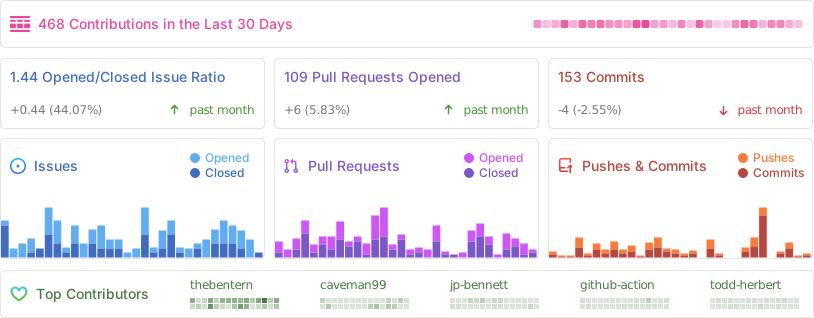
|
||||
This project is is currently in beta-testing - if you have questions please [join our discussion forum](https://meshtastic.discourse.group/).
|
||||
|
||||
This software is 100% open source and developed by a group of hobbyist experimenters. No warranty is provided, if you'd like to improve it - we'd love your help. Please post in the chat.
|
||||
|
||||
## Supported hardware
|
||||
|
||||
We currently support three models of radios.
|
||||
|
||||
- TTGO T-Beam (usually the recommended choice)
|
||||
- [T-Beam V1.1 w/ NEO-6M - special Meshtastic version](https://www.aliexpress.com/item/4001178678568.html) (Includes built-in OLED display and they have **preinstalled** the meshtastic software)
|
||||
- [T-Beam V1.1 w/ NEO-M8N](https://www.aliexpress.com/item/33047631119.html) (slightly better GPS)
|
||||
- [T-Beam V1.1 w/ NEO-M8N /w SX1262](https://www.aliexpress.com/item/4001287221970.html) (slightly better GPS + LoRa)
|
||||
- board labels "TTGO T22_V1.1 20191212"
|
||||
- [T-Beam V0.7 w/ NEO-6M](https://www.aliexpress.com/item/4000574335430.html) (will work but **you must use the tbeam0.7 firmware ** - but the T-Beam V1.0 or later are better!)
|
||||
- board labels "TTGO T22_V07 20180711"
|
||||
- 3D printable cases
|
||||
- [T-Beam V0](https://www.thingiverse.com/thing:3773717) (GPS and LoRa antenna misaligned if GPS placed as pictured)
|
||||
- [T-Beam V1 (SMA-antenna)](https://www.thingiverse.com/thing:3830711)
|
||||
- [T-Beam V1 (SMA-antenna)](https://www.thingiverse.com/thing:4677388) (Mounting option for larger GPS antenna but LoRa antenna enclosed)
|
||||
- [T-Beam V1 (IPEX-antenna)](https://www.thingiverse.com/thing:4587297) (GPS and LoRa antenna misaligned if GPS placed as pictured)
|
||||
- [T-Beam V1 (IPEX-antenna)](https://www.thingiverse.com/thing:4589651)
|
||||
- [T-Beam V1 (IPEX-antenna)](https://www.thingiverse.com/thing:4619981) (GPS and LoRa antenna misaligned if GPS placed as pictured)
|
||||
- Laser-cut cases
|
||||
- [T-Beam V1 (SMA-antenna)](https://www.thingiverse.com/thing:4552771)
|
||||
|
||||
- [TTGO LORA32](https://www.aliexpress.com/item/4000211331316.html) - No GPS
|
||||
- version 2.1
|
||||
- board labels "TTGO T3_V1.6 20180606"
|
||||
- 3D printable case
|
||||
- [TTGO LORA32 v1](https://www.thingiverse.com/thing:3385109)
|
||||
|
||||
- [Heltec LoRa 32](https://heltec.org/project/wifi-lora-32/) - No GPS
|
||||
- [Official Heltec case](https://www.aliexpress.com/item/4001050707951.html)
|
||||
- [3D Printable case](https://www.thingiverse.com/thing:3125854)
|
||||
|
||||
Note: The GPS and LoRa stock antennas should be placed in a way, that the GPS antenna faces the sky and the LoRa antenna radiates 360 degrees horizontally. For better GPS reception you might want to [upgrade the GPS antenna](https://meshtastic.discourse.group/t/the-importance-of-gps-antennas-and-request-to-3d-case-documentation-people/1505) and to properly align the antennas you might want to upgrade to a LoRa antenna that can be adjusted to radiate into the right directions.
|
||||
|
||||
**Make sure to get the frequency for your country**
|
||||
|
||||
- US/JP/AU/NZ/CA - 915MHz
|
||||
- CN - 470MHz
|
||||
- EU - 868MHz, 433MHz
|
||||
- full list of LoRa frequencies per region is available [here](https://www.thethingsnetwork.org/docs/lorawan/frequencies-by-country.html)
|
||||
|
||||
Getting a version that includes a screen is optional, but highly recommended.
|
||||
|
||||
## Firmware Installation
|
||||
|
||||
Prebuilt binaries for the supported radios are available in our [releases](https://github.com/meshtastic/Meshtastic-esp32/releases). Your initial installation has to happen over USB from your Mac, Windows or Linux PC. Once our software is installed, all future software updates happen over bluetooth from your phone.
|
||||
|
||||
Be **very careful** to install the correct load for your board. In particular the popular 'T-BEAM' radio from TTGO is not called 'TTGO-Lora' (that is a different board). So don't install the 'TTGO-Lora' build on a TBEAM, it won't work correctly.
|
||||
|
||||
Please post comments on our [group chat](https://meshtastic.discourse.group/) if you have problems or successes.
|
||||
|
||||
### Installing from a GUI - Windows and Mac
|
||||
|
||||
1. Download and unzip the latest Meshtastic firmware [release](https://github.com/meshtastic/Meshtastic-esp32/releases).
|
||||
2. Download [ESPHome Flasher](https://github.com/esphome/esphome-flasher/releases) (either x86-32bit Windows or x64-64 bit Windows).
|
||||
3. Connect your radio to your USB port and open ESPHome Flasher.
|
||||
4. If your board is not showing under Serial Port then you likely need to install the drivers for the CP210X serial chip. In Windows you can check by searching “Device Manager” and ensuring the device is shown under “Ports”.
|
||||
5. If there is an error, download the drivers [here](https://www.silabs.com/products/development-tools/software/usb-to-uart-bridge-vcp-drivers), then unzip and run the Installer application.
|
||||
6. In ESPHome Flasher, refresh the serial ports and select your board.
|
||||
7. Browse to the previously downloaded firmware and select the correct firmware based on the board type, country and frequency.
|
||||
8. Select Flash ESP.
|
||||
9. Once complete, “Done! Flashing is complete!” will be shown.
|
||||
10. Debug messages sent from the Meshtastic device can be viewed with a terminal program such as [PuTTY](https://www.putty.org/) (Windows only). Within PuTTY, click “Serial”, enter the “Serial line” com port (can be found at step 4), enter “Speed” as 921600, then click “Open”.
|
||||
|
||||
### Installing from a commandline
|
||||
|
||||
These instructions currently require a few commmand lines, but it should be pretty straightforward.
|
||||
|
||||
1. Install "pip". Pip is the python package manager we use to get the esptool installer app. Instructions [here](https://www.makeuseof.com/tag/install-pip-for-python/). If you are using OS-X, see these [special instructions](docs/software/install-OSX.md).
|
||||
2. Run "pip install --upgrade esptool" to get esptool installed on your machine.
|
||||
3. Connect your radio to your USB port.
|
||||
4. Confirm that your device is talking to your PC by running "esptool.py chip_id". The Heltec build also works on the TTGO LORA32 radio. You should see something like:
|
||||
|
||||
```
|
||||
mydir$ esptool.py chip_id
|
||||
esptool.py v2.6
|
||||
Found 2 serial ports
|
||||
Serial port /dev/ttyUSB0
|
||||
Connecting....
|
||||
Detecting chip type... ESP32
|
||||
Chip is ESP32D0WDQ6 (revision 1)
|
||||
Features: WiFi, BT, Dual Core, 240MHz, VRef calibration in efuse, Coding Scheme None
|
||||
MAC: 24:6f:28:b5:36:71
|
||||
Uploading stub...
|
||||
Running stub...
|
||||
Stub running...
|
||||
Warning: ESP32 has no Chip ID. Reading MAC instead.
|
||||
MAC: 24:6f:28:b5:36:71
|
||||
Hard resetting via RTS pin...
|
||||
```
|
||||
|
||||
5. cd into the directory where the release zip file was expanded.
|
||||
6. Install the correct firmware for your board with `device-install.sh -f firmware-_board_-_country_.bin`.
|
||||
- Example: `./device-install.sh -f firmware-HELTEC-US-0.0.3.bin`.
|
||||
7. To update run `device-update.sh -f firmware-_board_-_country_.bin`
|
||||
- Example: `./device-update.sh -f firmware-HELTEC-US-0.0.3.bin`.
|
||||
|
||||
Note: If you have previously installed meshtastic, you don't need to run this full script instead just run `esptool.py --baud 921600 write_flash 0x10000 firmware-_board_-_country_-_version_.bin`. This will be faster, also all of your current preferences will be preserved.
|
||||
|
||||
You should see something like this:
|
||||
|
||||
```
|
||||
kevinh@kevin-server:~/development/meshtastic/meshtastic-esp32/release/latest$ ./device-install.sh firmware-TBEAM-US-0.1.8.bin
|
||||
Trying to flash firmware-TBEAM-US-0.1.8.bin, but first erasing and writing system information
|
||||
esptool.py v2.6
|
||||
Found 2 serial ports
|
||||
Serial port /dev/ttyUSB0
|
||||
Connecting........____
|
||||
Detecting chip type... ESP32
|
||||
Chip is ESP32D0WDQ6 (revision 1)
|
||||
Features: WiFi, BT, Dual Core, 240MHz, VRef calibration in efuse, Coding Scheme None
|
||||
MAC: 24:6f:28:b2:01:6c
|
||||
Uploading stub...
|
||||
Running stub...
|
||||
Stub running...
|
||||
Changing baud rate to 921600
|
||||
Changed.
|
||||
Erasing flash (this may take a while)...
|
||||
Chip erase completed successfully in 6.1s
|
||||
Hard resetting via RTS pin...
|
||||
esptool.py v2.6
|
||||
Found 2 serial ports
|
||||
Serial port /dev/ttyUSB0
|
||||
Connecting.......
|
||||
Detecting chip type... ESP32
|
||||
Chip is ESP32D0WDQ6 (revision 1)
|
||||
Features: WiFi, BT, Dual Core, 240MHz, VRef calibration in efuse, Coding Scheme None
|
||||
MAC: 24:6f:28:b2:01:6c
|
||||
Uploading stub...
|
||||
Running stub...
|
||||
Stub running...
|
||||
Changing baud rate to 921600
|
||||
Changed.
|
||||
Configuring flash size...
|
||||
Auto-detected Flash size: 4MB
|
||||
Flash params set to 0x0220
|
||||
Compressed 61440 bytes to 11950...
|
||||
Wrote 61440 bytes (11950 compressed) at 0x00001000 in 0.2 seconds (effective 3092.4 kbit/s)...
|
||||
Hash of data verified.
|
||||
|
||||
Leaving...
|
||||
Hard resetting via RTS pin...
|
||||
esptool.py v2.6
|
||||
Found 2 serial ports
|
||||
Serial port /dev/ttyUSB0
|
||||
Connecting.....
|
||||
Detecting chip type... ESP32
|
||||
Chip is ESP32D0WDQ6 (revision 1)
|
||||
Features: WiFi, BT, Dual Core, 240MHz, VRef calibration in efuse, Coding Scheme None
|
||||
MAC: 24:6f:28:b2:01:6c
|
||||
Uploading stub...
|
||||
Running stub...
|
||||
Stub running...
|
||||
Changing baud rate to 921600
|
||||
Changed.
|
||||
Configuring flash size...
|
||||
Auto-detected Flash size: 4MB
|
||||
Compressed 1223568 bytes to 678412...
|
||||
Wrote 1223568 bytes (678412 compressed) at 0x00010000 in 10.7 seconds (effective 912.0 kbit/s)...
|
||||
Hash of data verified.
|
||||
|
||||
Leaving...
|
||||
Hard resetting via RTS pin...
|
||||
```
|
||||
|
||||
7. The board will boot and show the Meshtastic logo.
|
||||
8. Please post a comment on our chat so we know if these instructions worked for you ;-). If you find bugs/have-questions post there also - we will be rapidly iterating over the next few weeks.
|
||||
|
||||
# Meshtastic Android app
|
||||
|
||||
The companion (optional) Meshtastic Android app is [here](https://play.google.com/store/apps/details?id=com.geeksville.mesh&referrer=utm_source%3Dgithub-dev-readme). You can also download it on Google Play.
|
||||
|
||||
# Python API
|
||||
|
||||
We offer a [python API](https://github.com/meshtastic/Meshtastic-python) that makes it easy to use these devices to provide mesh networking for your custom projects.
|
||||
|
||||
# Development
|
||||
|
||||
We'd love to have you join us on this merry little project. Please see our [development documents](https://meshtastic.org/docs/software/other/sw-design) and [join us in our discussion forum](https://meshtastic.discourse.group/).
|
||||
|
||||
# Credits
|
||||
|
||||
This project is run by volunteers. We are a friendly group and welcome any contribution (code fixes, documentation, features, bug reports etc...). We try to be good about listing contributor names in release notes, but it has become unwieldy for the main-devs to keep updating the list below and we've neglected it too long. If you'd like your name included in this list please send a pull request to edit this README and simply add your line yourself. Thank you very much for your help!
|
||||
|
||||
- @astro-arphid: Added support for 433MHz radios in europe.
|
||||
- @claesg: Various documentation fixes and 3D print enclosures
|
||||
- @girtsf: Lots of improvements
|
||||
- @spattinson: Fixed interrupt handling for the AXP192 part
|
||||
|
||||
# IMPORTANT DISCLAIMERS AND FAQ
|
||||
|
||||
For a listing of currently missing features and a FAQ click [here](docs/faq.md).
|
||||
|
||||
Copyright 2019 Geeksville Industries, LLC. GPL V3 Licensed.
|
||||
|
||||
@@ -1,52 +0,0 @@
|
||||
; Common settings for ESP targes, mixin with extends = esp32_base
|
||||
[esp32_base]
|
||||
extends = arduino_base
|
||||
platform = platformio/espressif32@^5.2.0
|
||||
build_src_filter =
|
||||
${arduino_base.build_src_filter} -<platform/nrf52/> -<platform/stm32wl> -<platform/rp2040> -<mesh/eth/>
|
||||
upload_speed = 921600
|
||||
debug_init_break = tbreak setup
|
||||
monitor_filters = esp32_exception_decoder
|
||||
board_build.filesystem = littlefs
|
||||
|
||||
# Remove -DMYNEWT_VAL_BLE_HS_LOG_LVL=LOG_LEVEL_CRITICAL for low level BLE logging.
|
||||
# See library directory for BLE logging possible values: .pio/libdeps/tbeam/NimBLE-Arduino/src/log_common/log_common.h
|
||||
# This overrides the BLE logging default of LOG_LEVEL_INFO (1) from: .pio/libdeps/tbeam/NimBLE-Arduino/src/esp_nimble_cfg.h
|
||||
build_flags =
|
||||
${arduino_base.build_flags}
|
||||
-Wall
|
||||
-Wextra
|
||||
-Isrc/platform/esp32
|
||||
-std=c++11
|
||||
-DLOG_LOCAL_LEVEL=ESP_LOG_DEBUG
|
||||
-DCORE_DEBUG_LEVEL=ARDUHAL_LOG_LEVEL_DEBUG
|
||||
-DMYNEWT_VAL_BLE_HS_LOG_LVL=LOG_LEVEL_CRITICAL
|
||||
-DAXP_DEBUG_PORT=Serial
|
||||
-DCONFIG_BT_NIMBLE_ENABLED
|
||||
-DCONFIG_NIMBLE_CPP_LOG_LEVEL=2
|
||||
-DCONFIG_BT_NIMBLE_MAX_CCCDS=20
|
||||
-DESP_OPENSSL_SUPPRESS_LEGACY_WARNING
|
||||
|
||||
lib_deps =
|
||||
${arduino_base.lib_deps}
|
||||
${networking_base.lib_deps}
|
||||
${environmental_base.lib_deps}
|
||||
https://github.com/meshtastic/esp32_https_server.git#657509856ce97e9dddeffb89a559f544faefd5cd
|
||||
h2zero/NimBLE-Arduino@^1.4.0
|
||||
https://github.com/lewisxhe/XPowersLib.git#84b7373faea3118b6c37954d52f98b8a337148d6
|
||||
|
||||
lib_ignore =
|
||||
segger_rtt
|
||||
ESP32 BLE Arduino
|
||||
|
||||
; leave this commented out to avoid breaking Windows
|
||||
;upload_port = /dev/ttyUSB0
|
||||
;monitor_port = /dev/ttyUSB0
|
||||
|
||||
; Please don't delete these lines. JM uses them.
|
||||
;upload_port = /dev/cu.SLAB_USBtoUART
|
||||
;monitor_port = /dev/cu.SLAB_USBtoUART
|
||||
|
||||
; customize the partition table
|
||||
; http://docs.platformio.org/en/latest/platforms/espressif32.html#partition-tables
|
||||
board_build.partitions = partition-table.csv
|
||||
@@ -1,45 +0,0 @@
|
||||
[esp32s3_base]
|
||||
extends = arduino_base
|
||||
platform = platformio/espressif32@^5.2.0
|
||||
build_src_filter =
|
||||
${arduino_base.build_src_filter} -<platform/nrf52/> -<platform/stm32wl> -<platform/rp2040> -<mesh/eth/>
|
||||
upload_speed = 961200
|
||||
monitor_speed = 115200
|
||||
debug_init_break = tbreak setup
|
||||
monitor_filters = esp32_exception_decoder
|
||||
board_build.filesystem = littlefs
|
||||
|
||||
# Remove -DMYNEWT_VAL_BLE_HS_LOG_LVL=LOG_LEVEL_CRITICAL for low level BLE logging.
|
||||
# See library directory for BLE logging possible values: .pio/libdeps/tbeam/NimBLE-Arduino/src/log_common/log_common.h
|
||||
# This overrides the BLE logging default of LOG_LEVEL_INFO (1) from: .pio/libdeps/tbeam/NimBLE-Arduino/src/esp_nimble_cfg.h
|
||||
build_flags =
|
||||
${arduino_base.build_flags}
|
||||
-Wall
|
||||
-Wextra
|
||||
-Isrc/platform/esp32
|
||||
-std=c++11
|
||||
-DLOG_LOCAL_LEVEL=ESP_LOG_DEBUG
|
||||
-DCORE_DEBUG_LEVEL=ARDUHAL_LOG_LEVEL_DEBUG
|
||||
-DMYNEWT_VAL_BLE_HS_LOG_LVL=LOG_LEVEL_CRITICAL
|
||||
-DAXP_DEBUG_PORT=Serial
|
||||
-DCONFIG_BT_NIMBLE_ENABLED
|
||||
-DCONFIG_NIMBLE_CPP_LOG_LEVEL=2
|
||||
-DCONFIG_BT_NIMBLE_MAX_CCCDS=20
|
||||
-DESP_OPENSSL_SUPPRESS_LEGACY_WARNING
|
||||
|
||||
lib_deps =
|
||||
${arduino_base.lib_deps}
|
||||
${networking_base.lib_deps}
|
||||
${environmental_base.lib_deps}
|
||||
https://github.com/meshtastic/esp32_https_server.git#657509856ce97e9dddeffb89a559f544faefd5cd
|
||||
h2zero/NimBLE-Arduino@^1.4.0
|
||||
https://github.com/lewisxhe/XPowersLib.git#84b7373faea3118b6c37954d52f98b8a337148d6
|
||||
|
||||
lib_ignore =
|
||||
segger_rtt
|
||||
ESP32 BLE Arduino
|
||||
|
||||
; customize the partition table
|
||||
; http://docs.platformio.org/en/latest/platforms/espressif32.html#partition-tables
|
||||
board_build.partitions = partition-table.csv
|
||||
|
||||
@@ -1,18 +0,0 @@
|
||||
[nrf52_base]
|
||||
; Instead of the standard nordicnrf52 platform, we use our fork which has our added variant files
|
||||
platform = platformio/nordicnrf52@^9.4.0
|
||||
|
||||
extends = arduino_base
|
||||
build_type = debug ; I'm debugging with ICE a lot now
|
||||
build_flags =
|
||||
${arduino_base.build_flags} -Wno-unused-variable
|
||||
-Isrc/platform/nrf52
|
||||
build_src_filter =
|
||||
${arduino_base.build_src_filter} -<platform/esp32/> -<platform/stm32wl> -<nimble/> -<mesh/wifi/> -<mesh/http/> -<modules/esp32> -<mqtt/> -<platform/rp2040> -<mesh/eth/>
|
||||
lib_ignore =
|
||||
BluetoothOTA
|
||||
|
||||
; Note: By default no lora device is created for this build - it uses a simulated interface
|
||||
[env:feather_nrf52832]
|
||||
extends = nrf52_base
|
||||
board = adafruit_feather_nrf52832
|
||||
@@ -1,14 +0,0 @@
|
||||
[nrf52840_base]
|
||||
extends = nrf52_base
|
||||
build_flags = ${nrf52_base.build_flags}
|
||||
lib_deps =
|
||||
${arduino_base.lib_deps}
|
||||
${environmental_base.lib_deps}
|
||||
https://github.com/Kongduino/Adafruit_nRFCrypto.git#e31a8825ea3300b163a0a3c1ddd5de34e10e1371
|
||||
|
||||
; Note: By default no lora device is created for this build - it uses a simulated interface
|
||||
[env:nrf52840dk]
|
||||
extends = nrf52840_base
|
||||
board = nrf52840_dk
|
||||
|
||||
|
||||
@@ -1,20 +0,0 @@
|
||||
; The Portduino based sim environment on top of any host OS, all hardware will be simulated
|
||||
[portduino_base]
|
||||
build_src_filter =
|
||||
${env.build_src_filter}
|
||||
-<platform/esp32/>
|
||||
-<nimble/>
|
||||
-<platform/nrf52/>
|
||||
-<platform/stm32wl/>
|
||||
-<platform/rp2040>
|
||||
-<mesh/http/>
|
||||
-<mesh/eth/>
|
||||
-<modules/esp32>
|
||||
-<modules/Telemetry>
|
||||
+<../variants/portduino>
|
||||
lib_deps =
|
||||
${env.lib_deps}
|
||||
${networking_base.lib_deps}
|
||||
rweather/Crypto@^0.4.0
|
||||
https://github.com/meshtastic/RadioLib.git#5582ac30578ff3f53f20630a00b2a8a4b8f92c74
|
||||
build_flags = ${arduino_base.build_flags} -Isrc/platform/portduino
|
||||
@@ -1,19 +0,0 @@
|
||||
; Common settings for rp2040 Processor based targets
|
||||
[rp2040_base]
|
||||
platform = https://github.com/maxgerhardt/platform-raspberrypi.git#5ce1a228e7cae453f366deb8962252b9b7356bbc
|
||||
extends = arduino_base
|
||||
board_build.core = earlephilhower
|
||||
board_build.filesystem_size = 0.5m
|
||||
build_flags =
|
||||
${arduino_base.build_flags} -Wno-unused-variable
|
||||
-Isrc/platform/rp2040
|
||||
-D__PLAT_RP2040__
|
||||
# -D _POSIX_THREADS
|
||||
build_src_filter =
|
||||
${arduino_base.build_src_filter} -<platform/esp32/> -<nimble/> -<mesh/wifi/> -<mesh/http/> -<modules/esp32> -<mqtt/> -<platform/nrf52/> -<platform/stm32wl> -<mesh/eth/>
|
||||
lib_ignore =
|
||||
BluetoothOTA
|
||||
lib_deps =
|
||||
${arduino_base.lib_deps}
|
||||
${environmental_base.lib_deps}
|
||||
https://github.com/kokke/tiny-AES-c.git#f06ac37fc31dfdaca2e0d9bec83f90d5663c319b
|
||||
@@ -1,18 +0,0 @@
|
||||
[stm32wl5e_base]
|
||||
platform = platformio/ststm32@^15.4.1
|
||||
board = generic_wl5e
|
||||
framework = arduino
|
||||
build_type = debug
|
||||
build_flags =
|
||||
${arduino_base.build_flags}
|
||||
-Isrc/platform/stm32wl -g
|
||||
-DHAL_SUBGHZ_MODULE_ENABLED
|
||||
# Arduino/PlatformIO framework-arduinoststm32 package does not presently have SUBGHZSPI support
|
||||
# -DPIN_SPI_MOSI=PINSUBGHZSPIMOSI -DPIN_SPI_MISO=PINSUBGHZSPIMISO -DPIN_SPI_SCK=PINSUBGHZSPISCK
|
||||
build_src_filter =
|
||||
${arduino_base.build_src_filter} -<platform/esp32/> -<nimble/> -<mesh/wifi/> -<mesh/http/> -<modules/esp32> -<mesh/eth/> -<mqtt/> -<graphics> -<input> -<buzz> -<modules/Telemetry> -<platform/nrf52> -<platform/portduino> -<platform/rp2040>
|
||||
lib_deps =
|
||||
${env.lib_deps}
|
||||
https://github.com/kokke/tiny-AES-c.git#f06ac37fc31dfdaca2e0d9bec83f90d5663c319b
|
||||
lib_ignore =
|
||||
mathertel/OneButton@^2.0.3
|
||||
Binary file not shown.
103
bin/build-all.sh
Executable file
103
bin/build-all.sh
Executable file
@@ -0,0 +1,103 @@
|
||||
#!/bin/bash
|
||||
|
||||
set -e
|
||||
|
||||
VERSION=`bin/buildinfo.py long`
|
||||
SHORT_VERSION=`bin/buildinfo.py short`
|
||||
|
||||
BOARDS_ESP32="tlora-v2 tlora-v1 tlora_v1_3 tlora-v2-1-1.6 tbeam heltec-v2.0 heltec-v2.1 tbeam0.7"
|
||||
#BOARDS_ESP32=tbeam
|
||||
|
||||
# FIXME note nrf52840dk build is for some reason only generating a BIN file but not a HEX file nrf52840dk-geeksville is fine
|
||||
BOARDS_NRF52="rak4631 t-echo"
|
||||
|
||||
OUTDIR=release/latest
|
||||
|
||||
# We keep all old builds (and their map files in the archive dir)
|
||||
ARCHIVEDIR=release/archive
|
||||
|
||||
rm -f $OUTDIR/firmware*
|
||||
|
||||
mkdir -p $OUTDIR/bins $ARCHIVEDIR
|
||||
rm -r $OUTDIR/bins/* || true
|
||||
mkdir -p $OUTDIR/bins/universal $OUTDIR/elfs/universal
|
||||
|
||||
# build the named environment and copy the bins to the release directory
|
||||
function do_build() {
|
||||
BOARD=$1
|
||||
isNrf=$3
|
||||
|
||||
echo "Building for $BOARD with $PLATFORMIO_BUILD_FLAGS"
|
||||
rm -f .pio/build/$BOARD/firmware.*
|
||||
|
||||
# The shell vars the build tool expects to find
|
||||
export APP_VERSION=$VERSION
|
||||
|
||||
# Are we building a universal/regionless rom?
|
||||
export HW_VERSION="1.0"
|
||||
basename=universal/firmware-$BOARD-$VERSION
|
||||
|
||||
pio run --environment $BOARD # -v
|
||||
SRCELF=.pio/build/$BOARD/firmware.elf
|
||||
cp $SRCELF $OUTDIR/elfs/$basename.elf
|
||||
|
||||
if [ "$isNrf" = "false" ]
|
||||
then
|
||||
echo "Copying ESP32 bin file"
|
||||
SRCBIN=.pio/build/$BOARD/firmware.bin
|
||||
cp $SRCBIN $OUTDIR/bins/$basename.bin
|
||||
else
|
||||
echo "Generating NRF52 uf2 file"
|
||||
SRCHEX=.pio/build/$BOARD/firmware.hex
|
||||
bin/uf2conv.py $SRCHEX -c -o $OUTDIR/bins/$basename.uf2 -f 0xADA52840
|
||||
fi
|
||||
}
|
||||
|
||||
function do_boards() {
|
||||
declare boards=$1
|
||||
declare isNrf=$2
|
||||
for board in $boards; do
|
||||
# Build universal
|
||||
do_build $board "" "$isNrf"
|
||||
done
|
||||
}
|
||||
|
||||
# Make sure our submodules are current
|
||||
git submodule update
|
||||
|
||||
# Important to pull latest version of libs into all device flavors, otherwise some devices might be stale
|
||||
platformio lib update
|
||||
|
||||
do_boards "$BOARDS_ESP32" "false"
|
||||
do_boards "$BOARDS_NRF52" "true"
|
||||
|
||||
echo "Building SPIFFS for ESP32 targets"
|
||||
pio run --environment tbeam -t buildfs
|
||||
cp .pio/build/tbeam/spiffs.bin $OUTDIR/bins/universal/spiffs-$VERSION.bin
|
||||
|
||||
# keep the bins in archive also
|
||||
cp $OUTDIR/bins/universal/spiffs* $OUTDIR/bins/universal/firmware* $OUTDIR/elfs/universal/firmware* $ARCHIVEDIR
|
||||
|
||||
echo Updating android bins $OUTDIR/forandroid
|
||||
rm -rf $OUTDIR/forandroid
|
||||
mkdir -p $OUTDIR/forandroid
|
||||
cp -a $OUTDIR/bins/universal/*.bin $OUTDIR/forandroid/
|
||||
|
||||
cat >$OUTDIR/curfirmwareversion.xml <<XML
|
||||
<?xml version="1.0" encoding="utf-8"?>
|
||||
|
||||
<!-- This file is kept in source control because it reflects the last stable
|
||||
release. It is used by the android app for forcing software updates. Do not edit.
|
||||
Generated by bin/buildall.sh -->
|
||||
|
||||
<resources>
|
||||
<string name="cur_firmware_version" translatable="false">$VERSION</string>
|
||||
<string name="short_firmware_version" translatable="false">$SHORT_VERSION</string>
|
||||
</resources>
|
||||
XML
|
||||
|
||||
echo Generating $ARCHIVEDIR/firmware-$VERSION.zip
|
||||
rm -f $ARCHIVEDIR/firmware-$VERSION.zip
|
||||
zip --junk-paths $ARCHIVEDIR/firmware-$VERSION.zip $ARCHIVEDIR/spiffs-$VERSION.bin $OUTDIR/bins/universal/firmware-*-$VERSION.* images/system-info.bin bin/device-install.sh bin/device-update.sh
|
||||
|
||||
echo BUILT ALL
|
||||
@@ -1,39 +0,0 @@
|
||||
#!/usr/bin/env bash
|
||||
|
||||
set -e
|
||||
|
||||
VERSION=`bin/buildinfo.py long`
|
||||
SHORT_VERSION=`bin/buildinfo.py short`
|
||||
|
||||
OUTDIR=release/
|
||||
|
||||
rm -f $OUTDIR/firmware*
|
||||
rm -r $OUTDIR/* || true
|
||||
|
||||
# Make sure our submodules are current
|
||||
git submodule update
|
||||
|
||||
# Important to pull latest version of libs into all device flavors, otherwise some devices might be stale
|
||||
platformio pkg update
|
||||
|
||||
echo "Building for $1 with $PLATFORMIO_BUILD_FLAGS"
|
||||
rm -f .pio/build/$1/firmware.*
|
||||
|
||||
# The shell vars the build tool expects to find
|
||||
export APP_VERSION=$VERSION
|
||||
|
||||
basename=firmware-$1-$VERSION
|
||||
|
||||
pio run --environment $1 # -v
|
||||
SRCELF=.pio/build/$1/firmware.elf
|
||||
cp $SRCELF $OUTDIR/$basename.elf
|
||||
|
||||
echo "Copying ESP32 bin file"
|
||||
SRCBIN=.pio/build/$1/firmware.factory.bin
|
||||
cp $SRCBIN $OUTDIR/$basename.bin
|
||||
|
||||
echo "Building Filesystem for ESP32 targets"
|
||||
pio run --environment tbeam -t buildfs
|
||||
cp .pio/build/tbeam/littlefs.bin $OUTDIR/littlefs-$VERSION.bin
|
||||
cp bin/device-install.* $OUTDIR
|
||||
cp bin/device-update.* $OUTDIR
|
||||
@@ -1,26 +0,0 @@
|
||||
#!/usr/bin/env bash
|
||||
|
||||
set -e
|
||||
|
||||
VERSION=`bin/buildinfo.py long`
|
||||
SHORT_VERSION=`bin/buildinfo.py short`
|
||||
|
||||
OUTDIR=release/
|
||||
|
||||
rm -f $OUTDIR/firmware*
|
||||
|
||||
mkdir -p $OUTDIR/
|
||||
rm -r $OUTDIR/* || true
|
||||
|
||||
# Make sure our submodules are current
|
||||
git submodule update
|
||||
|
||||
# Important to pull latest version of libs into all device flavors, otherwise some devices might be stale
|
||||
platformio pkg update
|
||||
|
||||
pio run --environment native
|
||||
cp .pio/build/native/program $OUTDIR/meshtasticd_linux_amd64
|
||||
|
||||
cp bin/device-install.* $OUTDIR
|
||||
cp bin/device-update.* $OUTDIR
|
||||
|
||||
38
bin/build-nightly.sh
Executable file
38
bin/build-nightly.sh
Executable file
@@ -0,0 +1,38 @@
|
||||
#!/bin/bash
|
||||
source ~/.bashrc
|
||||
|
||||
# Meshtastic Nightly Build Script.
|
||||
# McHamster (jm@casler.org)
|
||||
#
|
||||
# This is the script that is used for the nightly build server.
|
||||
#
|
||||
# It's probably not useful for most people, but you may want to run your own
|
||||
# nightly builds.
|
||||
#
|
||||
# The last line of ~/.bashrc contains an inclusion of platformio in the path.
|
||||
# Without this, the build script won't run from the crontab:
|
||||
#
|
||||
# export PATH="$HOME/.platformio/penv/bin:$PATH"
|
||||
#
|
||||
# The crontab contains:
|
||||
# 0 2 * * * cd ~/meshtastic/github/meshtastic && source "~/.bashrc"; ./build-nightly.sh > ~/cronout.txt 2> ~/cronout.txt
|
||||
|
||||
cd Meshtastic-device
|
||||
|
||||
git pull
|
||||
|
||||
bin/build-all.sh
|
||||
|
||||
date_stamp=$(date +'%Y-%m-%d')
|
||||
|
||||
cd ..
|
||||
|
||||
# TODO: Archive the same binaries used by the build-all script.
|
||||
#zip -r meshtastic_device_nightly_${date_stamp} Meshtastic-device/release/latest/bins
|
||||
cp Meshtastic-device/release/archive/`ls -t ./Meshtastic-device/release/archive/| head -1` meshtastic_device_nightly_${date_stamp}.zip
|
||||
|
||||
# Copy the file to the webserver
|
||||
scp meshtastic_device_nightly_${date_stamp}.zip jm@10.11.12.20:/volume1/web/meshtastic/nightly_builds/
|
||||
|
||||
# Delete the local copy
|
||||
rm meshtastic_device_nightly_${date_stamp}.zip
|
||||
@@ -1,39 +0,0 @@
|
||||
#!/usr/bin/env bash
|
||||
|
||||
set -e
|
||||
|
||||
VERSION=`bin/buildinfo.py long`
|
||||
SHORT_VERSION=`bin/buildinfo.py short`
|
||||
|
||||
OUTDIR=release/
|
||||
|
||||
rm -f $OUTDIR/firmware*
|
||||
rm -r $OUTDIR/* || true
|
||||
|
||||
# Make sure our submodules are current
|
||||
git submodule update
|
||||
|
||||
# Important to pull latest version of libs into all device flavors, otherwise some devices might be stale
|
||||
platformio pkg update
|
||||
|
||||
echo "Building for $1 with $PLATFORMIO_BUILD_FLAGS"
|
||||
rm -f .pio/build/$1/firmware.*
|
||||
|
||||
# The shell vars the build tool expects to find
|
||||
export APP_VERSION=$VERSION
|
||||
|
||||
basename=firmware-$1-$VERSION
|
||||
|
||||
pio run --environment $1 # -v
|
||||
SRCELF=.pio/build/$1/firmware.elf
|
||||
DFUPKG=.pio/build/$1/firmware.zip
|
||||
cp $SRCELF $OUTDIR/$basename.elf
|
||||
cp $DFUPKG $OUTDIR/$basename-ota.zip
|
||||
|
||||
echo "Generating NRF52 uf2 file"
|
||||
SRCHEX=.pio/build/$1/firmware.hex
|
||||
bin/uf2conv.py $SRCHEX -c -o $OUTDIR/$basename.uf2 -f 0xADA52840
|
||||
|
||||
cp bin/device-install.* $OUTDIR
|
||||
cp bin/device-update.* $OUTDIR
|
||||
cp bin/*.uf2 $OUTDIR
|
||||
@@ -1,36 +0,0 @@
|
||||
#!/usr/bin/env bash
|
||||
|
||||
set -e
|
||||
|
||||
VERSION=`bin/buildinfo.py long`
|
||||
SHORT_VERSION=`bin/buildinfo.py short`
|
||||
|
||||
OUTDIR=release/
|
||||
|
||||
rm -f $OUTDIR/firmware*
|
||||
rm -r $OUTDIR/* || true
|
||||
|
||||
# Make sure our submodules are current
|
||||
git submodule update
|
||||
|
||||
# Important to pull latest version of libs into all device flavors, otherwise some devices might be stale
|
||||
platformio pkg update
|
||||
|
||||
echo "Building for $1 with $PLATFORMIO_BUILD_FLAGS"
|
||||
rm -f .pio/build/$1/firmware.*
|
||||
|
||||
# The shell vars the build tool expects to find
|
||||
export APP_VERSION=$VERSION
|
||||
|
||||
basename=firmware-$1-$VERSION
|
||||
|
||||
pio run --environment $1 # -v
|
||||
SRCELF=.pio/build/$1/firmware.elf
|
||||
cp $SRCELF $OUTDIR/$basename.elf
|
||||
|
||||
echo "Copying uf2 file"
|
||||
SRCBIN=.pio/build/$1/firmware.uf2
|
||||
cp $SRCBIN $OUTDIR/$basename.uf2
|
||||
|
||||
cp bin/device-install.* $OUTDIR
|
||||
cp bin/device-update.* $OUTDIR
|
||||
@@ -1,16 +0,0 @@
|
||||
#!/usr/bin/env python
|
||||
"""Bump the version number"""
|
||||
|
||||
lines = None
|
||||
|
||||
with open('version.properties', 'r', encoding='utf-8') as f:
|
||||
lines = f.readlines()
|
||||
|
||||
with open('version.properties', 'w', encoding='utf-8') as f:
|
||||
for line in lines:
|
||||
if line.lstrip().startswith("build = "):
|
||||
words = line.split(" = ")
|
||||
ver = f'build = {int(words[1]) + 1}'
|
||||
f.write(f'{ver}\n')
|
||||
else:
|
||||
f.write(line)
|
||||
@@ -1,26 +0,0 @@
|
||||
#!/usr/bin/env bash
|
||||
|
||||
# Note: This is a prototype for how we could add static code analysis to the CI.
|
||||
|
||||
set -e
|
||||
|
||||
VERSION=`bin/buildinfo.py long`
|
||||
|
||||
# The shell vars the build tool expects to find
|
||||
export APP_VERSION=$VERSION
|
||||
|
||||
if [[ $# -gt 0 ]]; then
|
||||
# can override which environment by passing arg
|
||||
BOARDS="$@"
|
||||
else
|
||||
BOARDS="tlora-v2 tlora-v1 tlora_v1_3 tlora-v2-1-1.6 tbeam heltec-v1 heltec-v2.0 heltec-v2.1 tbeam0.7 meshtastic-diy-v1 rak4631 rak4631_eink rak11200 t-echo pca10059_diy_eink"
|
||||
fi
|
||||
|
||||
echo "BOARDS:${BOARDS}"
|
||||
|
||||
CHECK=""
|
||||
for BOARD in $BOARDS; do
|
||||
CHECK="${CHECK} -e ${BOARD}"
|
||||
done
|
||||
|
||||
pio check --flags "-DAPP_VERSION=${APP_VERSION} --suppressions-list=suppressions.txt" $CHECK --skip-packages --pattern="src/" --fail-on-defect=low --fail-on-defect=medium --fail-on-defect=high
|
||||
@@ -1,23 +0,0 @@
|
||||
#!/usr/bin/env bash
|
||||
|
||||
# Note: This is a prototype for how we could add static code analysis to the CI.
|
||||
|
||||
set -e
|
||||
|
||||
if [[ $# -gt 0 ]]; then
|
||||
# can override which environment by passing arg
|
||||
BOARDS="$@"
|
||||
else
|
||||
BOARDS="rak4631 rak4631_eink t-echo pca10059_diy_eink pico rak11200 tlora-v2 tlora-v1 tlora_v1_3 tlora-v2-1-1.6 tbeam heltec-v1 heltec-v2.0 heltec-v2.1 tbeam0.7 meshtastic-diy-v1 nano-g1 station-g1 m5stack-core m5stack-coreink tbeam-s3-core"
|
||||
fi
|
||||
|
||||
echo "BOARDS:${BOARDS}"
|
||||
|
||||
CHECK=""
|
||||
for BOARD in $BOARDS; do
|
||||
CHECK="${CHECK} -e ${BOARD}"
|
||||
done
|
||||
|
||||
echo $CHECK
|
||||
|
||||
pio pkg outdated -e $CHECK
|
||||
12
bin/device-install.bat
Executable file → Normal file
12
bin/device-install.bat
Executable file → Normal file
@@ -28,15 +28,15 @@ IF "__%FILENAME%__" == "____" (
|
||||
)
|
||||
IF EXIST %FILENAME% (
|
||||
echo Trying to flash update %FILENAME%, but first erasing and writing system information"
|
||||
%PYTHON% -m esptool --baud 115200 erase_flash
|
||||
%PYTHON% -m esptool --baud 115200 write_flash 0x00 %FILENAME%
|
||||
%PYTHON% -m esptool --baud 115200 write_flash 0x260000 bleota.bin
|
||||
for %%f in (littlefs-*.bin) do (
|
||||
%PYTHON% -m esptool --baud 115200 write_flash 0x300000 %%f
|
||||
%PYTHON% -m esptool --baud 921600 erase_flash
|
||||
%PYTHON% -m esptool --baud 921600 write_flash 0x1000 system-info.bin
|
||||
for %%f in (spiffs-*.bin) do (
|
||||
%PYTHON% -m esptool --baud 921600 write_flash 0x00390000 %%f
|
||||
)
|
||||
%PYTHON% -m esptool --baud 921600 write_flash 0x10000 %FILENAME%
|
||||
) else (
|
||||
echo "Invalid file: %FILENAME%"
|
||||
goto HELP
|
||||
)
|
||||
|
||||
:EOF
|
||||
:EOF
|
||||
@@ -11,7 +11,7 @@ Usage: $(basename $0) [-h] [-p ESPTOOL_PORT] [-P PYTHON] [-f FILENAME|FILENAME]
|
||||
Flash image file to device, but first erasing and writing system information"
|
||||
|
||||
-h Display this help and exit
|
||||
-p ESPTOOL_PORT Set the environment variable for ESPTOOL_PORT. If not set, ESPTOOL iterates all ports (Dangerous).
|
||||
-p ESPTOOL_PORT Set the environment variable for ESPTOOL_PORT. If not set, ESPTOOL iterates all ports (Dangerrous).
|
||||
-P PYTHON Specify alternate python interpreter to use to invoke esptool. (Default: "$PYTHON")
|
||||
-f FILENAME The .bin file to flash. Custom to your device type and region.
|
||||
EOF
|
||||
@@ -46,11 +46,10 @@ shift "$((OPTIND-1))"
|
||||
|
||||
if [ -f "${FILENAME}" ]; then
|
||||
echo "Trying to flash ${FILENAME}, but first erasing and writing system information"
|
||||
"$PYTHON" -m esptool erase_flash
|
||||
"$PYTHON" -m esptool write_flash 0x00 ${FILENAME}
|
||||
"$PYTHON" -m esptool write_flash 0x260000 bleota.bin
|
||||
"$PYTHON" -m esptool write_flash 0x300000 littlefs-*.bin
|
||||
|
||||
$PYTHON -m esptool --baud 921600 erase_flash
|
||||
$PYTHON -m esptool --baud 921600 write_flash 0x1000 system-info.bin
|
||||
$PYTHON -m esptool --baud 921600 write_flash 0x00390000 spiffs-*.bin
|
||||
$PYTHON -m esptool --baud 921600 write_flash 0x10000 ${FILENAME}
|
||||
else
|
||||
echo "Invalid file: ${FILENAME}"
|
||||
show_help
|
||||
|
||||
6
bin/device-update.bat
Executable file → Normal file
6
bin/device-update.bat
Executable file → Normal file
@@ -28,10 +28,12 @@ IF "__%FILENAME%__" == "____" (
|
||||
)
|
||||
IF EXIST %FILENAME% (
|
||||
echo Trying to flash update %FILENAME%
|
||||
%PYTHON% -m esptool --baud 115200 write_flash 0x00 %FILENAME%
|
||||
%PYTHON% -m esptool --baud 921600 write_flash 0x10000 %FILENAME%
|
||||
echo Erasing the otadata partition, which will turn off flash flippy-flop and force the first image to be used
|
||||
%PYTHON% -m esptool --baud 921600 erase_region 0xe000 0x2000
|
||||
) else (
|
||||
echo "Invalid file: %FILENAME%"
|
||||
goto HELP
|
||||
)
|
||||
|
||||
:EOF
|
||||
:EOF
|
||||
@@ -44,7 +44,9 @@ shift "$((OPTIND-1))"
|
||||
|
||||
if [ -f "${FILENAME}" ]; then
|
||||
echo "Trying to flash update ${FILENAME}."
|
||||
$PYTHON -m esptool --baud 115200 write_flash 0x00 ${FILENAME}
|
||||
$PYTHON -m esptool --baud 921600 write_flash 0x10000 ${FILENAME}
|
||||
echo "Erasing the otadata partition, which will turn off flash flippy-flop and force the first image to be used"
|
||||
$PYTHON -m esptool --baud 921600 erase_region 0xe000 0x2000
|
||||
else
|
||||
echo "Invalid file: ${FILENAME}"
|
||||
show_help
|
||||
|
||||
@@ -1,5 +1,3 @@
|
||||
#!/usr/bin/env bash
|
||||
|
||||
arm-none-eabi-readelf -s -e .pio/build/nrf52dk/firmware.elf | head -80
|
||||
|
||||
nm -CSr --size-sort .pio/build/nrf52dk/firmware.elf | grep '^200'
|
||||
|
||||
@@ -1,4 +1,4 @@
|
||||
#!/usr/bin/env bash
|
||||
|
||||
|
||||
set -e
|
||||
|
||||
|
||||
@@ -1,4 +1,4 @@
|
||||
#!/usr/bin/env python2
|
||||
#!/usr/bin/python2
|
||||
|
||||
# This is a layout for 4MB of flash
|
||||
# Name, Type, SubType, Offset, Size, Flags
|
||||
@@ -38,4 +38,4 @@ app0, app, ota_0, , 0x{app:x},
|
||||
app1, app, ota_1, , 0x{app:x},
|
||||
spiffs, data, spiffs, , 0x{spi:x} """.format(**locals())
|
||||
|
||||
print(table)
|
||||
print(table)
|
||||
35
bin/install-bootloader.sh
Executable file
35
bin/install-bootloader.sh
Executable file
@@ -0,0 +1,35 @@
|
||||
# You probably don't want to use this script, it programs a custom bootloader build onto a nrf52 board
|
||||
|
||||
set -e
|
||||
|
||||
# dependencies
|
||||
# apt install srecord
|
||||
|
||||
BOOTDIR=/home/kevinh/development/meshtastic/Adafruit_nRF52_Bootloader
|
||||
BOARD=othernet_ppr1
|
||||
BOOTVER=0.3.2
|
||||
BOOTNUM=128
|
||||
BOOTSHA=gc01b9ea
|
||||
SDCODE=s113
|
||||
SDVER=7.2.0
|
||||
PROJ=ppr1
|
||||
|
||||
# FIXME for nRF52840 use 0xff000, for nRF52833 use 0x7f000
|
||||
BOOTSET=0x7f000
|
||||
|
||||
nrfjprog --eraseall -f nrf52
|
||||
|
||||
# this generates an intel hex file that can be programmed into a NRF52 to tell the adafruit bootloader that the current app image is valid
|
||||
# Bootloader settings are at BOOTLOADER_SETTINGS (rw) : ORIGIN = 0xFF000, LENGTH = 0x1000
|
||||
# first 4 bytes should be 0x01 to indicate valid app image
|
||||
# second 4 bytes should be 0x00 to indicate no CRC required for image
|
||||
echo "01 00 00 00 00 00 00 00" | xxd -r -p - >/tmp/bootconf.bin
|
||||
srec_cat /tmp/bootconf.bin -binary -offset $BOOTSET -output /tmp/bootconf.hex -intel
|
||||
|
||||
echo Generating merged hex file from .pio/build/$PROJ/firmware.hex
|
||||
mergehex -o ${BOARD}_full.hex -m $BOOTDIR/_build/build-$BOARD/${BOARD}_bootloader-$BOOTVER-$BOOTNUM-$BOOTSHA-dirty_${SDCODE}_$SDVER.hex .pio/build/$PROJ/firmware.hex /tmp/bootconf.hex
|
||||
|
||||
echo Telling bootloader app region is valid and telling CPU to run
|
||||
nrfjprog --program ${BOARD}_full.hex -f nrf52 --reset
|
||||
|
||||
# nrfjprog --readuicr /tmp/uicr.hex; objdump -s /tmp/uicr.hex | less
|
||||
24
bin/install-eink.sh
Executable file
24
bin/install-eink.sh
Executable file
@@ -0,0 +1,24 @@
|
||||
# You probably don't want to use this script, it programs a custom bootloader build onto a nrf52 board
|
||||
|
||||
set -e
|
||||
|
||||
BOOTDIR=/home/kevinh/development/meshtastic/Adafruit_nRF52_Bootloader
|
||||
|
||||
nrfjprog --eraseall -f nrf52
|
||||
|
||||
# to get tool run "sudo apt-get install srecord"
|
||||
|
||||
# this generates an intel hex file that can be programmed into a NRF52 to tell the adafruit bootloader that the current app image is valid
|
||||
# Bootloader settings are at BOOTLOADER_SETTINGS (rw) : ORIGIN = 0xFF000, LENGTH = 0x1000
|
||||
# first 4 bytes should be 0x01 to indicate valid app image
|
||||
# second 4 bytes should be 0x00 to indicate no CRC required for image
|
||||
echo "01 00 00 00 00 00 00 00" | xxd -r -p - >/tmp/bootconf.bin
|
||||
srec_cat /tmp/bootconf.bin -binary -offset 0xff000 -output /tmp/bootconf.hex -intel
|
||||
|
||||
echo Generating merged hex file
|
||||
mergehex -m $BOOTDIR/_build/build-ttgo_eink/ttgo_eink_bootloader-0.3.2-213-gf67f592-dirty_s140_6.1.1.hex .pio/build/eink/firmware.hex /tmp/bootconf.hex -o ttgo_eink_full.hex
|
||||
|
||||
echo Telling bootloader app region is valid and telling CPU to run
|
||||
nrfjprog --program ttgo_eink_full.hex -f nrf52 --reset
|
||||
|
||||
# nrfjprog --readuicr /tmp/uicr.hex; objdump -s /tmp/uicr.hex | less
|
||||
61
bin/lora32-openocd.cfg
Normal file
61
bin/lora32-openocd.cfg
Normal file
@@ -0,0 +1,61 @@
|
||||
# Example OpenOCD configuration file for ESP-WROOM-32 module.
|
||||
# By default, the following configuration is used:
|
||||
# - dual core debugging
|
||||
# - support for listing FreeRTOS tasks is enabled
|
||||
# - OpenOCD is configured to set SPI flash voltage at 3.3V
|
||||
# by keeping MTDI bootstrapping pin low
|
||||
#
|
||||
# Use variables listed below to customize this.
|
||||
# Variables can be modified in this file or set on the command line.
|
||||
#
|
||||
# For example, OpenOCD can be started for single core ESP32 debugging on
|
||||
# ESP-WROVER-KIT with ESP-WROOM-32 module as follows:
|
||||
#
|
||||
# openocd -f interface/ftdi/esp32_devkitj_v1.cfg -c 'set ESP32_ONLYCPU 1' -f board/esp-wroom-32.cfg
|
||||
#
|
||||
# If a different JTAG interface is used, change the first -f option.
|
||||
#
|
||||
# If OpenOCD is built from source, pass an additional -s option to specify
|
||||
# the location of 'tcl' directory:
|
||||
#
|
||||
# src/openocd -s tcl <rest of the command line>
|
||||
#
|
||||
# Note:
|
||||
# For ESP32-WROVER module use 'esp32-wrover.cfg' configuration file
|
||||
# ESP-WROOM-32 and ESP32-WROVER have different flash voltage setting
|
||||
|
||||
|
||||
# The ESP32 only supports JTAG.
|
||||
transport select jtag
|
||||
|
||||
# The speed of the JTAG interface, in KHz. If you get DSR/DIR errors (and they
|
||||
# do not relate to OpenOCD trying to read from a memory range without physical
|
||||
# memory being present there), you can try lowering this.
|
||||
#
|
||||
# On DevKit-J, this can go as high as 20MHz if CPU frequency is 80MHz, or 26MHz
|
||||
# if CPU frequency is 160MHz or 240MHz.
|
||||
adapter_khz 20000
|
||||
|
||||
# If single core debugging is required, uncomment the following line
|
||||
# set ESP32_ONLYCPU 1
|
||||
|
||||
# To disable RTOS support, uncomment the following line
|
||||
# set ESP32_RTOS none
|
||||
|
||||
# Tell OpenOCD which SPI flash voltage is used by the board (3.3 or 1.8)
|
||||
# The TDI pin of ESP32 is also a bootstrap pin that selects the voltage the SPI flash
|
||||
# chip runs at. When a hard reset happens (e.g. because someone switches the board off
|
||||
# and on) the ESP32 will use the current TDI value as the bootstrap value because the
|
||||
# JTAG adapter overrides the pull-up or pull-down resistor that is supposed to do the
|
||||
# bootstrapping. These lines basically set the idle value of the TDI line to a
|
||||
# specified value, therefore reducing the chance of a bad bootup due to a bad flash
|
||||
# voltage greatly.
|
||||
# This option defaults to 3.3, if not set. To override the default, uncomment
|
||||
# the following line:
|
||||
# set ESP32_FLASH_VOLTAGE 1.8
|
||||
|
||||
# Set semihosting I/O base dir
|
||||
# set ESP_SEMIHOST_BASEDIR ""
|
||||
|
||||
# Source the ESP32 configuration file
|
||||
source [find target/esp32.cfg]
|
||||
3
bin/mqtt-listen.sh
Executable file
3
bin/mqtt-listen.sh
Executable file
@@ -0,0 +1,3 @@
|
||||
|
||||
mosquitto_sub -h mqtt.meshtastic.org -v -t \$SYS/\# -t msh/+/stat/\# -t msh/+/json/\#
|
||||
# mosquitto_sub -h test.mosquitto.org -v -t mesh/\# -F "%j"
|
||||
1
bin/mqtt-send-status.sh
Executable file
1
bin/mqtt-send-status.sh
Executable file
@@ -0,0 +1 @@
|
||||
mosquitto_pub -h mqtt.meshtastic.org -u meshdev -P large4cats -t msh/1/stat/FakeNode -m online -d
|
||||
@@ -1,5 +1,3 @@
|
||||
#!/usr/bin/env bash
|
||||
|
||||
set -e
|
||||
pio run --environment native
|
||||
gdbserver --once localhost:2345 .pio/build/native/program "$@"
|
||||
|
||||
@@ -1,5 +1,3 @@
|
||||
#!/usr/bin/env bash
|
||||
|
||||
set -e
|
||||
pio run --environment native
|
||||
.pio/build/native/program "$@"
|
||||
|
||||
4
bin/nrf52-console.sh
Executable file
4
bin/nrf52-console.sh
Executable file
@@ -0,0 +1,4 @@
|
||||
|
||||
|
||||
# JLinkRTTViewer
|
||||
JLinkRTTClient
|
||||
3
bin/nrf52832-gdbserver.sh
Executable file
3
bin/nrf52832-gdbserver.sh
Executable file
@@ -0,0 +1,3 @@
|
||||
|
||||
|
||||
JLinkGDBServerCLExe -if SWD -select USB -port 2331 -device NRF52832_XXAA
|
||||
3
bin/nrf52833-gdbserver.sh
Executable file
3
bin/nrf52833-gdbserver.sh
Executable file
@@ -0,0 +1,3 @@
|
||||
|
||||
|
||||
JLinkGDBServerCLExe -if SWD -select USB -port 2331 -device NRF52833_XXAA
|
||||
3
bin/nrf52840-gdbserver.sh
Executable file
3
bin/nrf52840-gdbserver.sh
Executable file
@@ -0,0 +1,3 @@
|
||||
|
||||
|
||||
JLinkGDBServerCLExe -if SWD -select USB -port 2331 -device NRF52840_XXAA -SuppressInfoUpdateFW -DisableAutoUpdateFW -rtos GDBServer/RTOSPlugin_FreeRTOS
|
||||
@@ -1,70 +1,17 @@
|
||||
|
||||
|
||||
import subprocess
|
||||
import configparser
|
||||
import traceback
|
||||
import sys
|
||||
from os.path import join
|
||||
from readprops import readProps
|
||||
|
||||
Import("env")
|
||||
platform = env.PioPlatform()
|
||||
|
||||
def esp32_create_combined_bin(source, target, env):
|
||||
# this sub is borrowed from ESPEasy build toolchain. It's licensed under GPL V3
|
||||
# https://github.com/letscontrolit/ESPEasy/blob/mega/tools/pio/post_esp32.py
|
||||
print("Generating combined binary for serial flashing")
|
||||
|
||||
app_offset = 0x10000
|
||||
|
||||
new_file_name = env.subst("$BUILD_DIR/${PROGNAME}.factory.bin")
|
||||
sections = env.subst(env.get("FLASH_EXTRA_IMAGES"))
|
||||
firmware_name = env.subst("$BUILD_DIR/${PROGNAME}.bin")
|
||||
chip = env.get("BOARD_MCU")
|
||||
flash_size = env.BoardConfig().get("upload.flash_size")
|
||||
flash_freq = env.BoardConfig().get("build.f_flash", '40m')
|
||||
flash_freq = flash_freq.replace('000000L', 'm')
|
||||
flash_mode = env.BoardConfig().get("build.flash_mode", "dio")
|
||||
memory_type = env.BoardConfig().get("build.arduino.memory_type", "qio_qspi")
|
||||
if flash_mode == "qio" or flash_mode == "qout":
|
||||
flash_mode = "dio"
|
||||
if memory_type == "opi_opi" or memory_type == "opi_qspi":
|
||||
flash_mode = "dout"
|
||||
cmd = [
|
||||
"--chip",
|
||||
chip,
|
||||
"merge_bin",
|
||||
"-o",
|
||||
new_file_name,
|
||||
"--flash_mode",
|
||||
flash_mode,
|
||||
"--flash_freq",
|
||||
flash_freq,
|
||||
"--flash_size",
|
||||
flash_size,
|
||||
]
|
||||
|
||||
print(" Offset | File")
|
||||
for section in sections:
|
||||
sect_adr, sect_file = section.split(" ", 1)
|
||||
print(f" - {sect_adr} | {sect_file}")
|
||||
cmd += [sect_adr, sect_file]
|
||||
|
||||
print(f" - {hex(app_offset)} | {firmware_name}")
|
||||
cmd += [hex(app_offset), firmware_name]
|
||||
|
||||
print('Using esptool.py arguments: %s' % ' '.join(cmd))
|
||||
|
||||
esptool.main(cmd)
|
||||
|
||||
if (platform.name == "espressif32"):
|
||||
sys.path.append(join(platform.get_package_dir("tool-esptoolpy")))
|
||||
import esptool
|
||||
env.AddPostAction("$BUILD_DIR/${PROGNAME}.bin", esp32_create_combined_bin)
|
||||
|
||||
Import("projenv")
|
||||
|
||||
prefsLoc = projenv["PROJECT_DIR"] + "/version.properties"
|
||||
verObj = readProps(prefsLoc)
|
||||
print("Using meshtastic platformio-custom.py, firmware version " + verObj['long'])
|
||||
print("Using meshtastic platform-custom.py, firmare version " + verObj['long'])
|
||||
# print("path is" + ','.join(sys.path))
|
||||
|
||||
# General options that are passed to the C and C++ compilers
|
||||
projenv.Append(CCFLAGS=[
|
||||
|
||||
3
bin/program-1.0-tbeam.sh
Executable file
3
bin/program-1.0-tbeam.sh
Executable file
@@ -0,0 +1,3 @@
|
||||
esptool.py --baud 921600 write_flash 0x10000 release/archive/old/firmware-tbeam-EU865-1.0.0.bin
|
||||
echo "Erasing the otadata partition, which will turn off flash flippy-flop and force the first image to be used"
|
||||
esptool.py --baud 921600 erase_region 0xe000 0x2000
|
||||
1
bin/program-1.1-tbeam.sh
Executable file
1
bin/program-1.1-tbeam.sh
Executable file
@@ -0,0 +1 @@
|
||||
esptool.py --baud 921600 write_flash 0x10000 release/archive/old/firmware-tbeam-1.1.50.bin
|
||||
6
bin/program-release-heltec.sh
Executable file
6
bin/program-release-heltec.sh
Executable file
@@ -0,0 +1,6 @@
|
||||
|
||||
set -e
|
||||
|
||||
source bin/version.sh
|
||||
|
||||
esptool.py --baud 921600 write_flash 0x10000 release/latest/bins/firmware-heltec-US-$VERSION.bin
|
||||
8
bin/program-release-tbeam.sh
Executable file
8
bin/program-release-tbeam.sh
Executable file
@@ -0,0 +1,8 @@
|
||||
|
||||
set -e
|
||||
|
||||
VERSION=`bin/buildinfo.py`
|
||||
FILENAME=release/latest/bins/universal/firmware-tbeam-$VERSION.bin
|
||||
|
||||
echo Installing $FILENAME
|
||||
esptool.py --baud 921600 write_flash 0x10000 $FILENAME
|
||||
6
bin/program-release-universal.sh
Executable file
6
bin/program-release-universal.sh
Executable file
@@ -0,0 +1,6 @@
|
||||
|
||||
set -e
|
||||
|
||||
source bin/version.sh
|
||||
|
||||
esptool.py --baud 921600 write_flash 0x10000 release/latest/bins/universal/firmware-tbeam-$VERSION.bin
|
||||
@@ -1,14 +1,11 @@
|
||||
#!/usr/bin/env bash
|
||||
|
||||
set -e
|
||||
|
||||
echo "This script is only for developers who are publishing new builds on github. Most users don't need it"
|
||||
|
||||
VERSION=`bin/buildinfo.py long`
|
||||
VERSION=`bin/buildinfo.py short`
|
||||
|
||||
# Must have a V prefix to trigger github
|
||||
git tag "v${VERSION}"
|
||||
|
||||
git push origin "v${VERSION}" # push the tag
|
||||
git push root "v${VERSION}" # push the tag
|
||||
|
||||
echo "Tag ${VERSION} pushed to github, github actions should now be building the draft release. If it seems good, click to publish it"
|
||||
|
||||
6
bin/qspi-flash-test.sh
Executable file
6
bin/qspi-flash-test.sh
Executable file
@@ -0,0 +1,6 @@
|
||||
# You probably don't need this - it is a basic test of the serial flash on the TTGO eink board
|
||||
|
||||
nrfjprog --qspiini nrf52/ttgo_eink_qpsi.ini --qspieraseall
|
||||
nrfjprog --qspiini nrf52/ttgo_eink_qpsi.ini --memwr 0x12000000 --val 0xdeadbeef --verify
|
||||
nrfjprog --qspiini nrf52/ttgo_eink_qpsi.ini --readqspi spi.hex
|
||||
objdump -s spi.hex | less
|
||||
@@ -1,3 +1 @@
|
||||
#!/usr/bin/env bash
|
||||
|
||||
esptool.py --baud 115200 read_flash 0x1000 0xf000 system-info.img
|
||||
esptool.py --baud 921600 read_flash 0x1000 0xf000 system-info.img
|
||||
|
||||
@@ -32,6 +32,6 @@ def readProps(prefsLoc):
|
||||
# traceback.print_exc()
|
||||
verObj['long'] = verObj['short']
|
||||
|
||||
# print("firmware version " + verStr)
|
||||
# print("firmare version " + verStr)
|
||||
return verObj
|
||||
# print("path is" + ','.join(sys.path))
|
||||
|
||||
@@ -1 +0,0 @@
|
||||
cd protobufs && ..\nanopb-0.4.6\generator-bin\protoc.exe --nanopb_out=-v:..\src\mesh\generated -I=..\protobufs *.proto
|
||||
@@ -1,15 +1,15 @@
|
||||
#!/usr/bin/env bash
|
||||
#!/bin/bash
|
||||
|
||||
set -e
|
||||
|
||||
echo "This script requires https://jpa.kapsi.fi/nanopb/download/ version 0.4.6 to be located in the"
|
||||
echo "firmware root directory if the following step fails, you should download the correct"
|
||||
echo "prebuilt binaries for your computer into nanopb-0.4.6"
|
||||
echo "This script requires https://jpa.kapsi.fi/nanopb/download/ version 0.4.4 to be located in the"
|
||||
echo "meshtastic-device root directory if the following step fails, you should download the correct"
|
||||
echo "prebuilt binaries for your computer into nanopb-0.4.4"
|
||||
|
||||
# the nanopb tool seems to require that the .options file be in the current directory!
|
||||
cd protobufs
|
||||
../nanopb-0.4.6/generator-bin/protoc --nanopb_out=-v:../src/mesh/generated -I=../protobufs *.proto
|
||||
cd proto
|
||||
../nanopb-0.4.4/generator-bin/protoc --nanopb_out=-v:../src/mesh/generated -I=../proto *.proto
|
||||
|
||||
#echo "Regenerating protobuf documentation - if you see an error message"
|
||||
#echo "you can ignore it unless doing a new protobuf release to github."
|
||||
#bin/regen-docs.sh
|
||||
#bin/regen-docs.sh
|
||||
1
bin/run-0-monitor.sh
Executable file
1
bin/run-0-monitor.sh
Executable file
@@ -0,0 +1 @@
|
||||
pio run --upload-port /dev/ttyUSB0 -t upload -t monitor
|
||||
1
bin/run-1-monitor.sh
Executable file
1
bin/run-1-monitor.sh
Executable file
@@ -0,0 +1 @@
|
||||
pio run --upload-port /dev/ttyUSB1 -t upload -t monitor
|
||||
7
bin/run-both-monitor.sh
Executable file
7
bin/run-both-monitor.sh
Executable file
@@ -0,0 +1,7 @@
|
||||
set -e
|
||||
|
||||
echo uploading to usb1
|
||||
pio run --upload-port /dev/ttyUSB1 -t upload
|
||||
|
||||
echo uploading to usb0
|
||||
pio run --upload-port /dev/ttyUSB0 -t upload -t monitor
|
||||
13
bin/run-both.sh
Executable file
13
bin/run-both.sh
Executable file
@@ -0,0 +1,13 @@
|
||||
set -e
|
||||
|
||||
TARG=tbeam
|
||||
|
||||
pio run -e $TARG
|
||||
|
||||
echo uploading to usb1
|
||||
pio run --upload-port /dev/ttyUSB1 -t upload -e $TARG &
|
||||
|
||||
echo uploading to usb0
|
||||
pio run --upload-port /dev/ttyUSB0 -t upload -e $TARG &
|
||||
|
||||
wait
|
||||
5
bin/run-openocd.sh
Executable file
5
bin/run-openocd.sh
Executable file
@@ -0,0 +1,5 @@
|
||||
|
||||
|
||||
# /home/kevinh/.platformio/packages/tool-openocd-esp32/bin/openocd -s /home/kevinh/.platformio/packages/tool-openocd-esp32 -c gdb_port pipe; tcl_port disabled; telnet_port disabled -s /home/kevinh/.platformio/packages/tool-openocd-esp32/share/openocd/scripts -f interface/jlink.cfg -f board/esp-wroom-32.cfg
|
||||
/home/kevinh/.platformio/packages/tool-openocd-esp32/bin/openocd -s /home/kevinh/.platformio/packages/tool-openocd-esp32 -s /home/kevinh/.platformio/packages/tool-openocd-esp32/share/openocd/scripts -f interface/jlink.cfg -f ./lora32-openocd.cfg
|
||||
|
||||
1
bin/start-terminal0.sh
Executable file
1
bin/start-terminal0.sh
Executable file
@@ -0,0 +1 @@
|
||||
pio device monitor -b 921600
|
||||
1
bin/start-terminal1.sh
Executable file
1
bin/start-terminal1.sh
Executable file
@@ -0,0 +1 @@
|
||||
pio device monitor -p /dev/ttyUSB1 -b 921600
|
||||
@@ -1,5 +1,3 @@
|
||||
#!/usr/bin/env bash
|
||||
|
||||
set -e
|
||||
|
||||
echo "Starting simulator"
|
||||
|
||||
@@ -1,2 +0,0 @@
|
||||
@echo off
|
||||
if [%1]==[] (echo "Please specify a platformio NRF target (i.e. rak4631) as the first argument.") else (python3 .\bin\uf2conv.py .\.pio\build\%1\firmware.hex -c -o .\.pio\build\%1\firmware.uf2 -f 0xADA52840)
|
||||
5
bin/upload-to-bootloader.sh
Executable file
5
bin/upload-to-bootloader.sh
Executable file
@@ -0,0 +1,5 @@
|
||||
set -e
|
||||
|
||||
echo "Converting to uf2 for NRF52 Adafruit bootloader"
|
||||
bin/uf2conv.py .pio/build/t-echo/firmware.hex -f 0xADA52840
|
||||
cp flash.uf2 /media/kevinh/FTH*BOOT/
|
||||
5
bin/upload-to-rak4631.sh
Executable file
5
bin/upload-to-rak4631.sh
Executable file
@@ -0,0 +1,5 @@
|
||||
set -e
|
||||
|
||||
echo "Converting to uf2 for NRF52 Adafruit bootloader"
|
||||
bin/uf2conv.py .pio/build/rak4631/firmware.hex -f 0xADA52840
|
||||
cp flash.uf2 /media/kevinh/FTH*BOOT/
|
||||
1
bin/upload-usb1.sh
Executable file
1
bin/upload-usb1.sh
Executable file
@@ -0,0 +1 @@
|
||||
pio run --upload-port /dev/ttyUSB1 -t upload
|
||||
@@ -1,4 +1,2 @@
|
||||
#!/usr/bin/env bash
|
||||
|
||||
echo using amap tool to display memory map
|
||||
amap .pio/build/output.map
|
||||
|
||||
@@ -1,31 +0,0 @@
|
||||
{
|
||||
"build": {
|
||||
"core": "stm32",
|
||||
"cpu": "cortex-m4",
|
||||
"extra_flags": "-DSTM32WLxx -DSTM32WLE5xx -DARDUINO_GENERIC_WLE5CCUX",
|
||||
"f_cpu": "48000000L",
|
||||
"mcu": "stm32wle5ccu",
|
||||
"variant": "STM32WLxx/WL54CCU_WL55CCU_WLE4C(8-B-C)U_WLE5C(8-B-C)U",
|
||||
"product_line": "STM32WLE5xx"
|
||||
},
|
||||
"debug": {
|
||||
"default_tools": [
|
||||
"stlink"
|
||||
],
|
||||
"jlink_device": "STM32WLE5CC",
|
||||
"openocd_target": "stm32wlx",
|
||||
"svd_path": "STM32WLE5_CM4.svd"
|
||||
},
|
||||
"frameworks": ["arduino"],
|
||||
"name": "BB-STM32WL",
|
||||
"upload": {
|
||||
"maximum_ram_size": 65536,
|
||||
"maximum_size": 262144,
|
||||
"protocol": "cmsis-dap",
|
||||
"protocols": [
|
||||
"cmsis-dap"
|
||||
]
|
||||
},
|
||||
"url": "https://www.st.com/en/microcontrollers-microprocessors/stm32wl-series.html",
|
||||
"vendor": "ST"
|
||||
}
|
||||
@@ -1,72 +0,0 @@
|
||||
{
|
||||
"build": {
|
||||
"arduino": {
|
||||
"ldscript": "nrf52840_s140_v6.ld"
|
||||
},
|
||||
"core": "nRF5",
|
||||
"cpu": "cortex-m4",
|
||||
"extra_flags": "-DARDUINO_NRF52840_FEATHER -DNRF52840_XXAA",
|
||||
"f_cpu": "64000000L",
|
||||
"hwids": [
|
||||
[
|
||||
"0x239A",
|
||||
"0x8029"
|
||||
],
|
||||
[
|
||||
"0x239A",
|
||||
"0x0029"
|
||||
],
|
||||
[
|
||||
"0x239A",
|
||||
"0x002A"
|
||||
],
|
||||
[
|
||||
"0x239A",
|
||||
"0x802A"
|
||||
]
|
||||
],
|
||||
"usb_product": "PCA10059",
|
||||
"mcu": "nrf52840",
|
||||
"variant": "nRF52840 Dongle",
|
||||
"bsp": {
|
||||
"name": "adafruit"
|
||||
},
|
||||
"softdevice": {
|
||||
"sd_flags": "-DS140",
|
||||
"sd_name": "s140",
|
||||
"sd_version": "6.1.1",
|
||||
"sd_fwid": "0x00B6"
|
||||
},
|
||||
"bootloader": {
|
||||
"settings_addr": "0xFF000"
|
||||
}
|
||||
},
|
||||
"connectivity": [
|
||||
"bluetooth"
|
||||
],
|
||||
"debug": {
|
||||
"jlink_device": "nRF52840_xxAA",
|
||||
"svd_path": "nrf52840.svd"
|
||||
},
|
||||
"frameworks": [
|
||||
"arduino"
|
||||
],
|
||||
"name": "nRF52840 Dongle",
|
||||
"upload": {
|
||||
"maximum_ram_size": 248832,
|
||||
"maximum_size": 815104,
|
||||
"speed": 115200,
|
||||
"protocol": "nrfutil",
|
||||
"protocols": [
|
||||
"jlink",
|
||||
"nrfjprog",
|
||||
"nrfutil",
|
||||
"stlink"
|
||||
],
|
||||
"use_1200bps_touch": true,
|
||||
"require_upload_port": true,
|
||||
"wait_for_upload_port": true
|
||||
},
|
||||
"url": "https://www.nordicsemi.com/Products/Development-hardware/nrf52840-dongle",
|
||||
"vendor": "Nordic Semiconductor"
|
||||
}
|
||||
@@ -16,9 +16,9 @@
|
||||
"name": "adafruit"
|
||||
},
|
||||
"softdevice": {
|
||||
"sd_flags": "-DS140",
|
||||
"sd_name": "s140",
|
||||
"sd_version": "6.1.1",
|
||||
"sd_flags": "-DS113",
|
||||
"sd_name": "s113",
|
||||
"sd_version": "7.2.0",
|
||||
"sd_fwid": "0x00B6"
|
||||
},
|
||||
"bootloader": {
|
||||
|
||||
55
boards/rak815.json
Normal file
55
boards/rak815.json
Normal file
@@ -0,0 +1,55 @@
|
||||
{
|
||||
"build": {
|
||||
"arduino":{
|
||||
"ldscript": "nrf52832_s132_v6.ld"
|
||||
},
|
||||
"core": "nRF5",
|
||||
"cpu": "cortex-m4",
|
||||
"extra_flags": "-DNRF52832_XXAA -DNRF52",
|
||||
"f_cpu": "64000000L",
|
||||
"hwids": [
|
||||
[
|
||||
"0x10c4",
|
||||
"0xea60"
|
||||
]
|
||||
],
|
||||
"usb_product": "RAK815",
|
||||
"mcu": "nrf52832",
|
||||
"variant": "rak815",
|
||||
"bsp": {
|
||||
"name": "adafruit"
|
||||
},
|
||||
"softdevice": {
|
||||
"sd_flags": "-DS132",
|
||||
"sd_name": "s132",
|
||||
"sd_version": "6.1.1",
|
||||
"sd_fwid": "0x00B7"
|
||||
}
|
||||
},
|
||||
"connectivity": [
|
||||
"bluetooth"
|
||||
],
|
||||
"debug": {
|
||||
"jlink_device": "nRF52832_xxAA",
|
||||
"svd_path": "nrf52.svd"
|
||||
},
|
||||
"frameworks": [
|
||||
"arduino"
|
||||
],
|
||||
"name": "RAK RAK815",
|
||||
"upload": {
|
||||
"maximum_ram_size": 65536,
|
||||
"maximum_size": 524288,
|
||||
"require_upload_port": true,
|
||||
"speed": 115200,
|
||||
"protocol": "nrfutil",
|
||||
"protocols": [
|
||||
"jlink",
|
||||
"nrfjprog",
|
||||
"nrfutil",
|
||||
"stlink"
|
||||
]
|
||||
},
|
||||
"url": "https://store.rakwireless.com/products/rak815-hybrid-location-tracker",
|
||||
"vendor": "RAK"
|
||||
}
|
||||
@@ -1,48 +0,0 @@
|
||||
{
|
||||
"build": {
|
||||
"arduino":{
|
||||
"ldscript": "esp32s3_out.ld"
|
||||
},
|
||||
"core": "esp32",
|
||||
"extra_flags": [
|
||||
"-DBOARD_HAS_PSRAM",
|
||||
"-DLILYGO_TBEAM_S3_CORE",
|
||||
"-DARDUINO_USB_CDC_ON_BOOT=1",
|
||||
"-DARDUINO_USB_DFU_ON_BOOT=1",
|
||||
"-DARDUINO_USB_MSC_ON_BOOT=1",
|
||||
"-DARDUINO_USB_MODE=1",
|
||||
"-DARDUINO_RUNNING_CORE=1",
|
||||
"-DARDUINO_EVENT_RUNNING_CORE=1"
|
||||
],
|
||||
"f_cpu": "240000000L",
|
||||
"f_flash": "80000000L",
|
||||
"flash_mode": "dio",
|
||||
"hwids": [
|
||||
[
|
||||
"0X303A",
|
||||
"0x1001"
|
||||
]
|
||||
],
|
||||
"mcu": "esp32s3",
|
||||
"variant": "tbeam-s3-core"
|
||||
},
|
||||
"connectivity": [
|
||||
"wifi"
|
||||
],
|
||||
"debug": {
|
||||
"openocd_target": "esp32s3.cfg"
|
||||
},
|
||||
"frameworks": [
|
||||
"arduino"
|
||||
],
|
||||
"name": "LilyGo TBeam-S3-Core",
|
||||
"upload": {
|
||||
"flash_size": "8MB",
|
||||
"maximum_ram_size": 327680,
|
||||
"maximum_size": 8388608,
|
||||
"require_upload_port": true,
|
||||
"speed": 921600
|
||||
},
|
||||
"url": "http://www.lilygo.cn/",
|
||||
"vendor": "LilyGo"
|
||||
}
|
||||
@@ -1,39 +0,0 @@
|
||||
{
|
||||
"build": {
|
||||
"arduino":{
|
||||
"ldscript": "esp32_out.ld"
|
||||
},
|
||||
"core": "esp32",
|
||||
"extra_flags": "-DARDUINO_ESP32_DEV",
|
||||
"f_cpu": "240000000L",
|
||||
"f_flash": "40000000L",
|
||||
"flash_mode": "dio",
|
||||
"mcu": "esp32",
|
||||
"variant": "WisCore_RAK11200_Board"
|
||||
},
|
||||
"connectivity": [
|
||||
"wifi",
|
||||
"bluetooth",
|
||||
"ethernet",
|
||||
"can"
|
||||
],
|
||||
"frameworks": [
|
||||
"arduino",
|
||||
"espidf"
|
||||
],
|
||||
"name": "WisCore RAK11200 Board",
|
||||
"upload": {
|
||||
"flash_size": "4MB",
|
||||
"maximum_ram_size": 327680,
|
||||
"maximum_size": 4194304,
|
||||
"protocols": [
|
||||
"esptool",
|
||||
"espota",
|
||||
"ftdi"
|
||||
],
|
||||
"require_upload_port": true,
|
||||
"speed": 460800
|
||||
},
|
||||
"url": "https://www.rakwireless.com",
|
||||
"vendor": "RAKwireless"
|
||||
}
|
||||
1
data/static/index.html
Normal file
1
data/static/index.html
Normal file
@@ -0,0 +1 @@
|
||||
not yet supported - soon will be included in build
|
||||
BIN
deprecated/icon-18dp.png
Normal file
BIN
deprecated/icon-18dp.png
Normal file

Binary file not shown.
|
After Width: | Height: | Size: 532 B |
1
deprecated/icon-24px.svg
Normal file
1
deprecated/icon-24px.svg
Normal file

@@ -0,0 +1 @@
|
||||
<svg xmlns="http://www.w3.org/2000/svg" height="24" viewBox="0 0 24 24" width="24"><path d="M0 0h24v24H0z" fill="none"/><path d="M12 5c-3.87 0-7 3.13-7 7h2c0-2.76 2.24-5 5-5s5 2.24 5 5h2c0-3.87-3.13-7-7-7zm1 9.29c.88-.39 1.5-1.26 1.5-2.29 0-1.38-1.12-2.5-2.5-2.5S9.5 10.62 9.5 12c0 1.02.62 1.9 1.5 2.29v3.3L7.59 21 9 22.41l3-3 3 3L16.41 21 13 17.59v-3.3zM12 1C5.93 1 1 5.93 1 12h2c0-4.97 4.03-9 9-9s9 4.03 9 9h2c0-6.07-4.93-11-11-11z"/></svg>
|
||||
|
After Width: | Height: | Size: 442 B |
BIN
deprecated/icon.png
Normal file
BIN
deprecated/icon.png
Normal file

Binary file not shown.
|
After Width: | Height: | Size: 1.1 KiB |
1
design
Submodule
1
design
Submodule
Submodule design added at 73ba05ceef
@@ -1,13 +0,0 @@
|
||||
version: "3.7"
|
||||
|
||||
services:
|
||||
meshtastic-node:
|
||||
build: .
|
||||
deploy:
|
||||
mode: replicated
|
||||
replicas: 80
|
||||
networks:
|
||||
- mesh
|
||||
|
||||
networks:
|
||||
mesh:
|
||||
19
gdbinit
Normal file
19
gdbinit
Normal file
@@ -0,0 +1,19 @@
|
||||
|
||||
# Setup Monitor Mode Debugging
|
||||
# Per .platformio/packages/framework-arduinoadafruitnrf52-old/cores/nRF5/linker/nrf52840_s140_v6.ld
|
||||
# our appload starts at 0x26000
|
||||
# Disable for now because our version on board doesn't support monitor mode debugging
|
||||
# mon exec SetMonModeDebug=1
|
||||
# mon exec SetMonModeVTableAddr=0x26000
|
||||
|
||||
# echo setting RTTAddr
|
||||
# eval "monitor exec SetRTTAddr %p", &_SEGGER_RTT
|
||||
|
||||
# the jlink debugger seems to want a pause after reset before we tell it to start running
|
||||
define restart
|
||||
echo Restarting
|
||||
monitor reset
|
||||
shell sleep 1
|
||||
cont
|
||||
end
|
||||
|
||||
358
geeksville-private/TODO.md
Normal file
358
geeksville-private/TODO.md
Normal file
@@ -0,0 +1,358 @@
|
||||
# Geeksville's current work queue
|
||||
|
||||
You probably don't care about this section - skip to the next one.
|
||||
|
||||
* DONE investigate TCP on ESP32 https://github.com/meshtastic/Meshtastic-device/issues/807
|
||||
* DONE fix python tool problem with windows and the heartbeat
|
||||
* router mode dropping messages? https://meshtastic.discourse.group/t/router-mode-missing-messages/3329/3
|
||||
* fix ttgo eink screen
|
||||
* list portduino on platformio
|
||||
* DONE make native sim not touch hardware
|
||||
* DONE reenable sim in CI builds
|
||||
* figure our wss for mqtt.meshtastic - use cloudflare? 2052 ws, 2053 crypt
|
||||
* pine64 lora module
|
||||
* @havealoha fixedposition not working
|
||||
* ask for vercel access
|
||||
* finish plan for riot.im
|
||||
* turn on setTx(timeout) and state = setDioIrqParams(SX126X_IRQ_TX_DONE | SX126X_IRQ_TIMEOUT, SX126X_IRQ_TX_DONE | SX126X_IRQ_TIMEOUT); in sx1262 code
|
||||
* DONE fix this sleep problem: https://meshtastic.discourse.group/t/new-device-release-1-2-30-ready-for-alpha-testing/3272/13?u=geeksville
|
||||
* add rak4600 support (with rf95 radio and limited ram)
|
||||
|
||||
* Switch to use https://github.com/adafruit/Adafruit_nRF52_Arduino.git when available (see arduino code for examples)
|
||||
* DONE @luxonn reports that after a while the android app stops showing new messages
|
||||
* DONE release android APK - fix recent 1.2.28 crash report
|
||||
* DONE remote admin busted?
|
||||
* DONE check android code - @havealoha comments about odd sleep behavior
|
||||
* ABANDONED test github actions locally on linux
|
||||
* DONE fix github actions per sasha tip
|
||||
* tell ttgo to preinstall new bins
|
||||
* DONE sendtext busted in portduino, due to bytetime calculations
|
||||
* remove linux dependency in native build
|
||||
* DONE tcp stream problem in python+pordtuino, server thinks client dropped when client DID NOT DROP
|
||||
* DONE TCP mode for android, localhost is at 10.0.2.2
|
||||
* DONE make sure USB still works in android
|
||||
* add portduino builds to zip
|
||||
* add license to portduino and make announcement
|
||||
* DONE naks are being dropped (though enqueuedLocal) sometimes before phone/PC gets them
|
||||
* DONE have android fill in if local GPS has poor signal
|
||||
* optionally restrict position sends to a named channel
|
||||
* release to beta and amazon
|
||||
* add reference counting to mesh packets
|
||||
* allow multiple simultanteous phoneapi connections
|
||||
* DONE split position.time and last_heard
|
||||
* DONE update android app to use last_heard
|
||||
* DONE turn off bluetooth interface ENTIRELY while using serial API (was python client times out on connect sometimes)
|
||||
* DONE gps assistance from phone not working?
|
||||
* DONE test latest firmware update with is_router
|
||||
* DONE firmware OTA updates of is_router true nodes fails?
|
||||
* DONE add UI in android app to reset to defaults https://github.com/meshtastic/Meshtastic-Android/issues/263
|
||||
* DONE TEST THIS! changing channels requires a reboot to take effect https://github.com/meshtastic/Meshtastic-device/issues/752
|
||||
* DONE bug report with remote info request timing out
|
||||
* DONE retest channel changing in android (using sim?)
|
||||
* DONE move remote admin doc from forum into git
|
||||
* DONE check crashlytics
|
||||
* DONE ask for a documentation czar
|
||||
* DONE timestamps on oled screen are wrong - don't seem to be updating based on message rx (actually: this is expected behavior when no node on the mesh has GPS time)
|
||||
* DONE add ch-del
|
||||
* DONE channel hash suffixes are wrong on android
|
||||
* DONE before next relase: test empty channel sets on android
|
||||
* DONE channel sharing in android
|
||||
* DONE test 1.0 firmware update on android
|
||||
* DONE test 1.1 firmwhttps://github.com/meshtastic/Meshtastic-Android/issues/271are update on android
|
||||
* DONE test 1.2.10 firmware update on android
|
||||
* DONE test link sharing on android
|
||||
* FIXED? luxon bug report - seeing rx acks for nodes that are not on the network
|
||||
* DONE release py
|
||||
* DONE show GPS time only if we know what global time is
|
||||
* DONE android should always provide time to nodes - so that it is easier for the mesh to learn the current time
|
||||
|
||||
## Multichannel support
|
||||
|
||||
* DONE cleanup the external notification and serial plugins
|
||||
* non ack version of stress test fails sometimes!
|
||||
* tx fault test has a bug #734 - * turn off fault 8: https://github.com/meshtastic/Meshtastic-device/issues/734
|
||||
* DONE move device types into an enum in nodeinfo
|
||||
* DONE fix android to use new device types for firmware update
|
||||
* nrf52 should preserve local time across reset
|
||||
* cdcacm bug on nrf52: emittx thinks it emitted but client sees nothing. works again later
|
||||
* nrf52: segger logs have errors in formatting that should be impossible (because not going through serial, try stalling on segger)
|
||||
* DONE call RouterPlugin for *all* packets - not just Router packets
|
||||
* DONE generate channel hash from the name of the channel+the psk (not just one or the other)
|
||||
* DONE send a hint that can be used to select which channel to try and hash against with each message
|
||||
* DONE remove deprecated
|
||||
* DONE fix setchannel in phoneapi.cpp
|
||||
* DONE set mynodeinfo.max_channels
|
||||
* DONE set mynodeinfo.num_bands (formerly num_channels)
|
||||
* DONE fix sniffing of non Routing packets
|
||||
* DONE enable remote setttings access by moving settings operations into a regular plugin (move settings ops out of PhoneAPI)
|
||||
* DONE move portnum up?
|
||||
* DONE remove region specific builds from the firmware
|
||||
* DONE test single channel without python
|
||||
* DONE Use "default" for name if name is empty
|
||||
* DONE fix python data packet receiving (nothing showing in log?)
|
||||
* DONE implement 'get channels' Admin plugin operation
|
||||
* DONE use get-channels from python
|
||||
* DONE use get channels & get settings from android
|
||||
* DONE use set-channel from python
|
||||
* DONE make settings changes from python work
|
||||
* DONE pthon should stop fetching channels once we've reached our first empty channel definition (hasSettings == true)
|
||||
* DONE add check for old devices with new API library
|
||||
* DONE release python api
|
||||
* DONE release protobufs
|
||||
* DONE release to developers
|
||||
* DONE fix setch-fast in python tool
|
||||
* age out pendingrequests in the python API
|
||||
* DONE stress test channel download from python, sometimes it seems like we don't get all replies, bug was due to simultaneous android connection
|
||||
* DONE combine acks and responses in a single message if possible (do routing plugin LAST and drop ACK if someone else has already replied)
|
||||
* DONE don't send packets we received from the phone BACK TOWARDS THE PHONE (possibly use fromnode 0 for packets the phone sends?)
|
||||
* DONE fix 1.1.50 android debug panel display
|
||||
* DONE test android channel setting
|
||||
* DONE release to users
|
||||
* DONE warn in android app about unset regions
|
||||
* DONE use set-channel from android
|
||||
* DONE add gui in android app for setting region
|
||||
* DONE clean up python channel usage
|
||||
* DONE use bindToChannel to limit admin access for remote nodes
|
||||
* DONE move channels and radio config out of device settings
|
||||
* DONE test remote info and remote settings changes
|
||||
* make python tests more exhaustive
|
||||
* DONE pick default random admin key
|
||||
* exclude admin channels from URL?
|
||||
* make a way to share just secondary channels via URL
|
||||
* generalize the concept of "shortstrings" use it for both PSKs and well known channel names. Possibly use a ShortString class.
|
||||
* use single byte 'well known' channel names for admin, gpio, etc...
|
||||
* use presence of gpio channel to enable gpio ops, same for serial etc...
|
||||
* DONE restrict gpio & serial & settings operations to the admin channel (unless local to the current node)
|
||||
* DONE add channel restrictions for plugins (and restrict routing plugin to the "control" channel)
|
||||
* stress test multi channel
|
||||
* DONE investigate @mc-hamster report of heap corruption
|
||||
* DONE use set-user from android
|
||||
* untrusted users should not be allowed to provide bogus times (via position broadcasts) to the rest of the mesh. Invent a new lowest quality notion of UntrustedTime.
|
||||
* use portuino TCP connection to debug with python API
|
||||
* document the relationship between want_response (indicating remote node received it) and want_ack (indicating that this message should be sent reliably - and also get acks from the first rx node and naks if it is never delivered)
|
||||
* DONE android should stop fetching channels once we've reached our first empty channel definition (hasSettings == true)
|
||||
* DONE warn in python api if we are too new to talk to the device code
|
||||
* DONE make a post warning about 1.2, telling how to stay on old android & python clients. link to this from the android dialog message and python version warning.
|
||||
* DONE "FIXME - move the radioconfig/user/channel READ operations into SettingsMessage as well"
|
||||
* DONE scrub protobufs to make sure they are absoloute minimum wiresize (in particular Data, ChannelSets and positions)
|
||||
* DONE change syncword (now ox2b)
|
||||
* allow chaning packets in single transmission - to increase airtime efficiency and amortize packet overhead
|
||||
* DONE move most parts of meshpacket into the Data packet, so that we can chain multiple Data for sending when they all have a common destination and key.
|
||||
* when selecting a MeshPacket for transmit, scan the TX queue for any Data packets we can merge together as a WirePayload. In the low level send/rx code expand that into multiple MeshPackets as needed (thus 'hiding' from MeshPacket that over the wire we send multiple datapackets
|
||||
* DONE confirm we are still calling the plugins for messages inbound from the phone (or generated locally)
|
||||
* DONE confirm we are still multi hop routing flood broadcasts
|
||||
* DONE confirm we are still doing resends on unicast reliable packets
|
||||
* add history to routed packets: https://meshtastic.discourse.group/t/packet-source-tracking/2764/2
|
||||
* add support for full DSR unicast delivery
|
||||
* DONE move acks into routing
|
||||
* DONE make all subpackets different versions of data
|
||||
* DONE move routing control into a data packet
|
||||
* have phoneapi done via plugin (will allow multiple simultaneous API clients - stop disabling BLE while using phone API)
|
||||
* use reference counting and dynamic sizing for meshpackets. - use https://docs.microsoft.com/en-us/cpp/cpp/how-to-create-and-use-shared-ptr-instances?view=msvc-160 (already used in arduino)
|
||||
* let multiple PhoneAPI endpoints work at once
|
||||
* allow multiple simultaneous bluetooth connections (create the bluetooth phoneapi instance dynamically based on client id)
|
||||
* DONE figure out how to add micro_delta to position, make it so that phone apps don't need to understand it?
|
||||
* only send battery updates a max of once a minute
|
||||
* DONE add python channel selection for sending
|
||||
* DONE record recevied channel in meshpacket
|
||||
* test remote settings operations (confirm it works 3 hops away)
|
||||
* DONE make a primaryChannel global and properly maintain it when the phone sends setChannel
|
||||
* DONE move setCrypto call into packet send and packet decode code
|
||||
* implement 'small location diffs' change
|
||||
* move battery level out of position?
|
||||
* consider "A special exception (FIXME, not sure if this is a good idea) - packets that arrive on the local interface
|
||||
are allowed on any channel (this lets the local user do anything)." Probably by adding a "secure_local_interface" settings bool.
|
||||
* DOUBLE CHECK android app can still upgrade 1.1 and 1.0 loads
|
||||
|
||||
For app cleanup:
|
||||
|
||||
* don't store redundant User admin or position broadcasts in the ToPhone queue (only keep one per sending node per proto type, and only most recent)
|
||||
* use structured logging to kep logs in ram. Also send logs as packets to api clients
|
||||
* DONE writeup nice python options docs (common cases, link to protobuf docs)
|
||||
* have android app link to user manual
|
||||
* DONE only do wantReplies once per packet type, if we change network settings force it again
|
||||
* update positions and nodeinfos based on packets we just merely witness on the mesh. via isPromsciousPort bool, remove sniffing
|
||||
* DONE make device build always have a valid version
|
||||
* DONE do fixed position bug https://github.com/meshtastic/Meshtastic-device/issues/536
|
||||
* DONE check build guide
|
||||
* DONE write devapi user guide
|
||||
* DONE update android code: https://developer.android.com/topic/libraries/view-binding/migration
|
||||
* DONE test GPIO watch
|
||||
* DONE set --set-chan-fast, --set-chan-default
|
||||
* writeup docs on gpio
|
||||
* DONE make python ping command
|
||||
* DONE make hello world example service
|
||||
* DONE have python tool check max packet size before sending to device
|
||||
* DONE if request was sent reliably, send reply reliably
|
||||
* DONE require a recent python api to talk to these new device loads
|
||||
* DONE require a recent android app to talk to these new device loads
|
||||
* DONE fix handleIncomingPosition
|
||||
* DONE move want_replies handling into plugins
|
||||
* DONE on android for received positions handle either old or new positions / user messages
|
||||
* DONE on android side send old or new positions as needed / user messages
|
||||
* DONE test python side handle new position/user messages
|
||||
* DONE make a gpio example. --gpiowrb 4 1, --gpiord 0x444, --gpiowatch 0x3ff
|
||||
* DONE fix position sending to use new plugin
|
||||
* DONE Add SinglePortNumPlugin - as the new most useful baseclass
|
||||
* DONE move positions into regular data packets (use new app framework)
|
||||
* DONE move user info into regular data packets (use new app framework)
|
||||
* DONE test that positions, text messages and user info still work
|
||||
* DONE test that position, text messages and user info work properly with new android app and old device code
|
||||
* DONE do UDP tunnel
|
||||
* DONE fix the RTC drift bug
|
||||
* move python ping functionality into device, reply with rxsnr info
|
||||
* use channels for gpio security https://github.com/meshtastic/Meshtastic-device/issues/104
|
||||
* MeshPackets for sending should be reference counted so that API clients would have the option of checking sent status (would allow removing the nasty 30 sec timer in gpio watch sending)
|
||||
|
||||
For high speed/lots of devices/short range tasks:
|
||||
|
||||
- When guessing numhops for sending: if I've heard from many local (0 hop neighbors) decrease hopcount by 2 rather than 1.
|
||||
This should nicely help 'router' nodes do the right thing when long range, or if there are many local nodes for short range.
|
||||
- fix timeouts/delays to be based on packet length at current radio settings
|
||||
|
||||
* update faq with antennas https://meshtastic.discourse.group/t/range-test-ideas-requested/738/2
|
||||
* update faq on recommended android version and phones
|
||||
* add help link inside the app, reference a page on the wiki
|
||||
* turn on amazon reviews support
|
||||
* add a tablet layout (with map next to messages) in the android app
|
||||
|
||||
# Completed
|
||||
|
||||
## eink 1.0
|
||||
|
||||
* DONE check email of reported issues
|
||||
* DONE turn off vbus driving (in bootloader)
|
||||
* new battery level sensing
|
||||
* current draw no good
|
||||
* DONE: fix backlight
|
||||
* DONE - USB is busted because of power enable mode?
|
||||
* test CPU voltage? something is bad with RAM (removing eink module does not help)
|
||||
* test that board leaves bootloader always
|
||||
* test USB - works in bootloader
|
||||
* test LEDs
|
||||
* Test BME280
|
||||
* test gps
|
||||
* check GPS fast locking
|
||||
* tested! dlora
|
||||
* test eink backlight
|
||||
* tested! eink
|
||||
* test buttons
|
||||
* test battery charging
|
||||
* test serial flash
|
||||
* send updated app and bootloader image
|
||||
* OHH BME280! THAT IS GREAT!
|
||||
* make new screen work, ask for datasheet
|
||||
* say I think you could ship this
|
||||
* leds seem busted
|
||||
* fix hw_model: "nrf52unknown"
|
||||
* use larger icon for meshtastic logo
|
||||
* send email about variants & faster flash programming - https://github.com/geeksville/Meshtastic-esp32/commit/f110225173a77326aac029321cdb6491bfa640f6
|
||||
* send PR for bootloader
|
||||
* fix nrf52 time/date
|
||||
* send new master bin file
|
||||
* send email about low power mode problems
|
||||
* support new flash chip in appload, possibly use low power mode
|
||||
* swbug! stuck busy tx occurred!
|
||||
|
||||
# Old docs to merge
|
||||
|
||||
MESH RADIO PROTOCOL
|
||||
|
||||
Old TODO notes on the mesh radio protocol, merge into real docs someday...
|
||||
|
||||
for each named group we have a pre-shared key known by all group members and
|
||||
wrapped around the device. you can only be in one group at a time (FIXME?!) To
|
||||
join the group we read a qr code with the preshared key and ParamsCodeEnum. that
|
||||
gets sent via bluetooth to the device. ParamsCodeEnum maps to a set of various
|
||||
radio params (regulatory region, center freq, SF, bandwidth, bitrate, power
|
||||
etc...) so all members of the mesh can have their radios set the same way.
|
||||
|
||||
once in that group, we can talk between 254 node numbers.
|
||||
to get our node number (and announce our presence in the channel) we pick a
|
||||
random node number and broadcast as that node with WANT-NODENUM(my globally
|
||||
unique name). If anyone on the channel has seen someone _else_ using that name
|
||||
within the last 24 hrs(?) they reply with DENY-NODENUM. Note: we might receive
|
||||
multiple denies. Note: this allows others to speak up for some other node that
|
||||
might be saving battery right now. Any time we hear from another node (for any
|
||||
message type), we add that node number to the unpickable list. To dramatically
|
||||
decrease the odds a node number we request is already used by someone. If no one
|
||||
denies within TBD seconds, we assume that we have that node number. As long as
|
||||
we keep talking to folks at least once every 24 hrs, others should remember we
|
||||
have it.
|
||||
|
||||
Once we have a node number we can broadcast POSITION-UPDATE(my globally unique
|
||||
name, lat, lon, alt, amt battery remaining). All receivers will use this to a)
|
||||
update the mapping of who is at what node nums, b) the time of last rx, c)
|
||||
position. If we haven't heard from that node in a while we reply to that node
|
||||
(only) with our current POSITION_UPDATE state - so that node (presumably just
|
||||
rejoined the network) can build a map of all participants.
|
||||
|
||||
We will periodically broadcast POSITION-UPDATE as needed based on distance moved
|
||||
or a periodic minimum heartbeat.
|
||||
|
||||
If user wants to send a text they can SEND_TEXT(dest user, short text message).
|
||||
Dest user is a node number, or 0xff for broadcast.
|
||||
|
||||
# Medium priority
|
||||
|
||||
Items to complete before 1.0.
|
||||
|
||||
# Post 1.0 ideas
|
||||
|
||||
- finish DSR for unicast
|
||||
- check fcc rules on duty cycle. we might not need to freq hop. https://www.sunfiretesting.com/LoRa-FCC-Certification-Guide/ . Might need to add enforcement for europe though.
|
||||
- make a no bluetooth configured yet screen - include this screen in the loop if the user hasn't yet paired
|
||||
- if radio params change fundamentally, discard the nodedb
|
||||
- re-enable the bluetooth battery level service on the T-BEAM
|
||||
- provide generalized (but slow) internet message forwarding service if one of our nodes has internet connectivity (MQTT) [ Not a requirement but a personal interest ]
|
||||
|
||||
# Low priority ideas
|
||||
|
||||
Items after the first final candidate release.
|
||||
|
||||
- implement nimble battery level service
|
||||
- Nimble implement device info service remaining fields (hw version etc)
|
||||
- Turn on RPA addresses for the device side in Nimble
|
||||
- Try to teardown less of the Nimble protocol stack across sleep
|
||||
- dynamic frequency scaling could save a lot of power on ESP32, but it seems to corrupt uart (even with ref_tick set correctly)
|
||||
- Change back to using a fixed sized MemoryPool rather than MemoryDynamic (see bug #149)
|
||||
- scan to find channels with low background noise? (Use CAD mode of the RF95 to automatically find low noise channels)
|
||||
- If the phone doesn't read fromradio mailbox within X seconds, assume the phone is gone and we can stop queing location msgs
|
||||
for it (because it will redownload the nodedb when it comes back)
|
||||
- add frequency hopping, dependent on the gps time, make the switch moment far from the time anyone is going to be transmitting
|
||||
- assign every "channel" a random shared 8 bit sync word (per 4.2.13.6 of datasheet) - use that word to filter packets before even checking CRC. This will ensure our CPU will only wake for packets on our "channel"
|
||||
- the BLE stack is leaking about 200 bytes each time we go to light sleep
|
||||
- use fuse bits to store the board type and region. So one load can be used on all boards
|
||||
- Don't store position packets in the to phone fifo if we are disconnected. The phone will get that info for 'free' when it
|
||||
fetches the fresh nodedb.
|
||||
- Use the RFM95 sequencer to stay in idle mode most of the time, then automatically go to receive mode and automatically go from transmit to receive mode. See 4.2.8.2 of manual.
|
||||
- Use fixed32 for node IDs, packetIDs, successid, failid, and lat/lon - will require all nodes to be updated, but make messages slightly smaller.
|
||||
- add "store and forward" support for messages, or move to the DB sync model. This would allow messages to be eventually delivered even if nodes are out of contact at the moment.
|
||||
- use variable length Strings in protobufs (instead of current fixed buffers). This would save lots of RAM
|
||||
- use BLEDevice::setPower to lower our BLE transmit power - extra range doesn't help us, it costs amps and it increases snoopability
|
||||
- make a HAM build: just a new frequency list, a bool to say 'never do encryption' and use hte callsign as that node's unique id. -from Girts
|
||||
- don't forward redundant pings or ping responses to the phone, it just wastes phone battery
|
||||
- don't send location packets if we haven't moved significantly
|
||||
- scrub default radio config settings for bandwidth/range/speed
|
||||
- show radio and gps signal strength as an image
|
||||
- only BLE advertise for a short time after the screen is on and button pressed - to save power and prevent people for sniffing for our BT app.
|
||||
- make mesh aware network timing state machine (sync wake windows to gps time) - this can save LOTS of battery
|
||||
- split out the software update utility so other projects can use it. Have the appload specify the URL for downloads.
|
||||
- read the PMU battery fault indicators and blink/led/warn user on screen
|
||||
- discard very old nodedb records (> 1wk)
|
||||
- handle millis() rollover in GPS.getTime - otherwise we will break after 50 days
|
||||
- report esp32 device code bugs back to the mothership via android
|
||||
- change BLE bonding to something more secure. see comment by pSecurity->setAuthenticationMode(ESP_LE_AUTH_BOND)
|
||||
|
||||
Changes related to wifi support on ESP32:
|
||||
|
||||
- iram space: https://esp32.com/viewtopic.php?t=8460
|
||||
- set https://docs.espressif.com/projects/esp-idf/en/latest/esp32/api-guides/external-ram.html spi ram bss
|
||||
- figure out if iram or bluetooth classic caused ble problems
|
||||
- post bug on esp32-arduino with BLE bug findings
|
||||
|
||||
# Spinoff project ideas
|
||||
|
||||
- an open source version of https://www.burnair.ch/skynet/
|
||||
- a paragliding app like http://airwhere.co.uk/
|
||||
- How do avalanche beacons work? Could this do that as well? possibly by using beacon mode feature of the RF95?
|
||||
51
geeksville-private/pine64.md
Normal file
51
geeksville-private/pine64.md
Normal file
@@ -0,0 +1,51 @@
|
||||
# Notes on the pine64 lora board
|
||||
|
||||
like before but sx1262 based?
|
||||
|
||||
Since both DIO3 and DIO2 not apply to PINE64 LoRa situation, I will wire SX1262 INT [DIO1] pin, contact to CS341F pin 7 INT# and pin 5.
|
||||
|
||||
FIX ch341 GPIO access from linux
|
||||
RF95 packet RX seems busted FIX FIRST
|
||||
|
||||
USE ch341 devboard if needed
|
||||
|
||||
SX1262 BUSY seems to come out on pin 15 of the RFM90 HOPE module. The 'footprint' seems rotated on the pine64 board schematic and that becomes pin 7 on U4 which is "DIO5" on that schematic. Which goes to pin 8 on the CH341F, which that datasheet calls "IN3"
|
||||
|
||||
FIXME - see if possible to read BUSY from "IN3"?
|
||||
|
||||
on a ch341a
|
||||
* - Pin 15 (D0/CS0 ) as input/output/CS (CH341_PIN_MODE_IN/CH341_PIN_MODE_OUT/CH341_PIN_MODE_CS) (confirm hooked to CS)
|
||||
* - Pin 16 (D1/CS1 ) as input/output/CS (CH341_PIN_MODE_IN/CH341_PIN_MODE_OUT/CH341_PIN_MODE_CS)
|
||||
* - Pin 17 (D2/CS2 ) as input/output/CS (CH341_PIN_MODE_IN/CH341_PIN_MODE_OUT/CH341_PIN_MODE_CS)
|
||||
* - Pin 19 (D4/DOUT2) as input/output (CH341_PIN_MODE_IN/CH341_PIN_MODE_OUT) / gpio4 in linux driver / (FIXME: confirm hooked to IRQ also?)
|
||||
* - Pin 21 (D6/DIN2 ) as input (CH341_PIN_MODE_IN) / called RTS when in UART mode
|
||||
|
||||
## ch341-driver
|
||||
|
||||
driver busted in 5.11 kernels (rf95 init fails). 5.8.0 is okay, 5.8.18 is okay. fails on 5.10.31, 5.9.16 is okay. Therefore breakage happened in 5.10 kernels! Possibly not really breakage, possibly just sloppy caching or something that is more easily caught with modern threading.
|
||||
|
||||
cs_change is not being set on the way into the driver!
|
||||
|
||||
## gpio
|
||||
|
||||
the new GPIO interface https://embeddedbits.org/new-linux-kernel-gpio-user-space-interface/
|
||||
|
||||
~/development/meshtastic/meshtastic-esp32$ gpiodetect
|
||||
gpiochip0 [INT34BB:00] (312 lines)
|
||||
gpiochip1 [ch341] (2 lines)
|
||||
~/development/meshtastic/meshtastic-esp32$ gpioinfo 1
|
||||
gpiochip1 - 2 lines:
|
||||
line 0: "gpio4" unused input active-high
|
||||
line 1: "gpio5" unused input active-high
|
||||
gpiofind gpio4
|
||||
gpiochip1 0
|
||||
|
||||
DO NOT "apt install libgpiod-dev" It doesn't work with kernels newer than about 5.8. Instead build and install from source: https://git.kernel.org/pub/scm/libs/libgpiod/libgpiod.git/
|
||||
|
||||
## Send in patch
|
||||
Fix drivers/spi/spi.c transfer_once
|
||||
|
||||
read about spi: https://elinux.org/images/2/20/Whats_going_on_with_SPI--mark_brown.pdf
|
||||
|
||||
https://www.kernel.org/doc/html/v4.17/process/submitting-patches.html
|
||||
git clone git://git.kernel.org/pub/scm/linux/kernel/git/torvalds/linux.git
|
||||
Some files were not shown because too many files have changed in this diff Show More
Reference in New Issue
Block a user